Remote Work Success: Essential Strategies for Thriving in 2026
BlogIntroduction
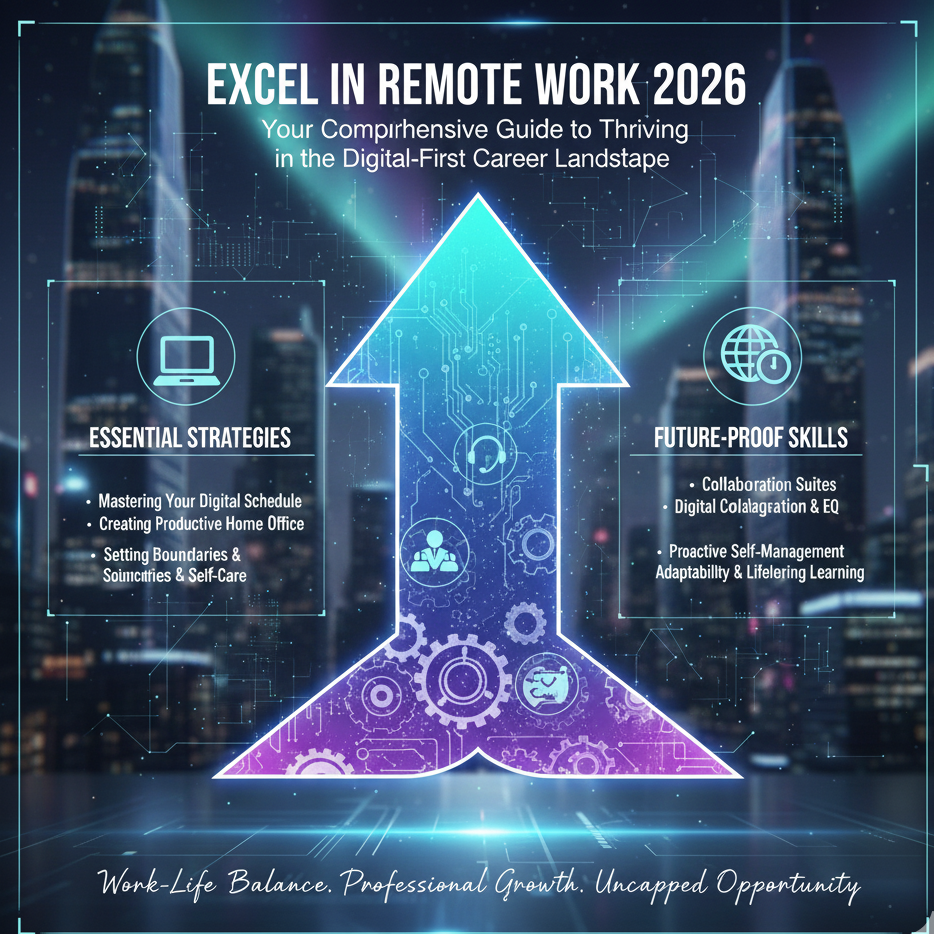
The evolution of remote work has fundamentally transformed the professional landscape, creating new opportunities and challenges for millions of workers worldwide. As we approach 2026, remote work is no longer an emergency measure or temporary arrangement but a permanent fixture of modern employment. This comprehensive guide explores essential strategies, tools, and skills needed to excel in remote work environments, helping you build a successful career while maintaining work-life balance and professional growth.
visit our website – EasyNaukri4U – India’s Leading Government Job Portal
visit our resume builder – Government Jobs - EasyNaukri4U
“According to LinkedIn’s Global Talent Trends Report, recruiters spend an average of six to seven seconds reviewing each resume.”
The Future of Remote Work in 2026
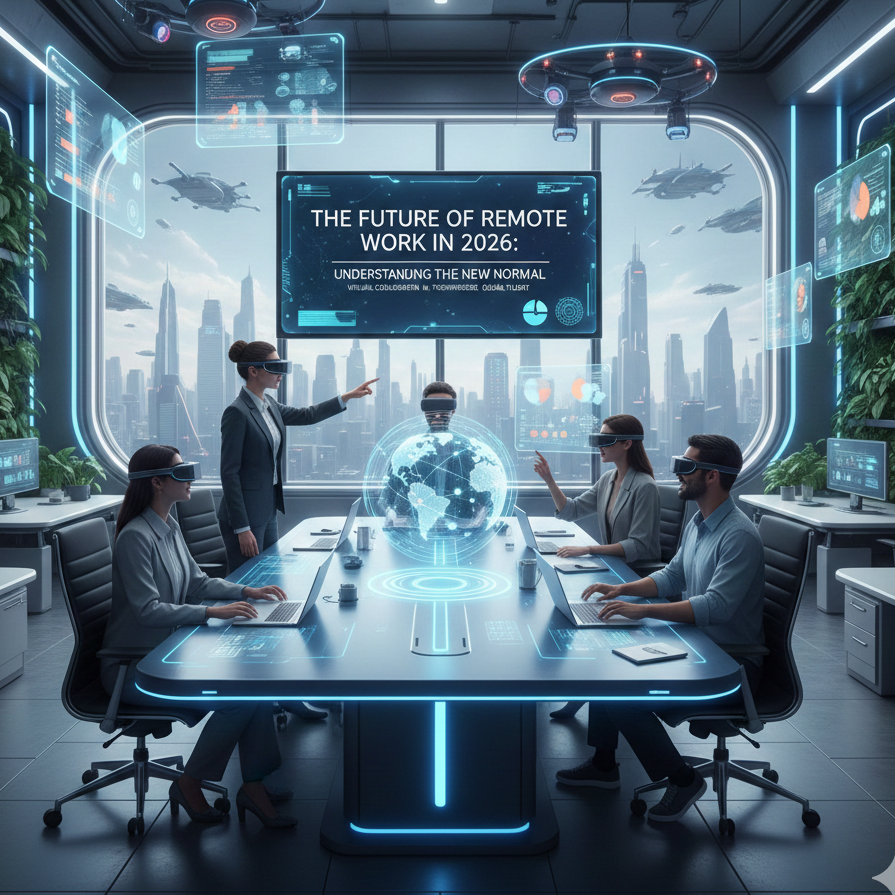
Understanding the New Normal
The landscape of remote work continues evolving beyond simple home office setups to encompass diverse working arrangements, digital nomadism, and hybrid models. Organizations have recognized that remote work offers benefits including access to global talent pools, reduced operational costs, and increased employee satisfaction. However, success in this environment requires deliberate strategies and continuous adaptation to emerging technologies and practices.
By 2026, remote work technologies will be more sophisticated, with virtual reality meetings, AI-powered collaboration tools, and seamless digital workspaces becoming standard. Understanding these trends and preparing for advanced remote work scenarios positions professionals for success in increasingly distributed organizations. The ability to thrive in virtual environments has shifted from optional skill to career necessity.
The Competitive Advantage of Remote Excellence
Mastering remote work provides significant career advantages in the global job market. Professionals who excel in virtual environments can access opportunities regardless of geographic location, negotiate better compensation packages, and achieve superior work-life integration. Organizations actively seek individuals who demonstrate proven remote work capabilities, self-management skills, and virtual collaboration expertise.
1. Creating Your Optimal Remote Work Environment
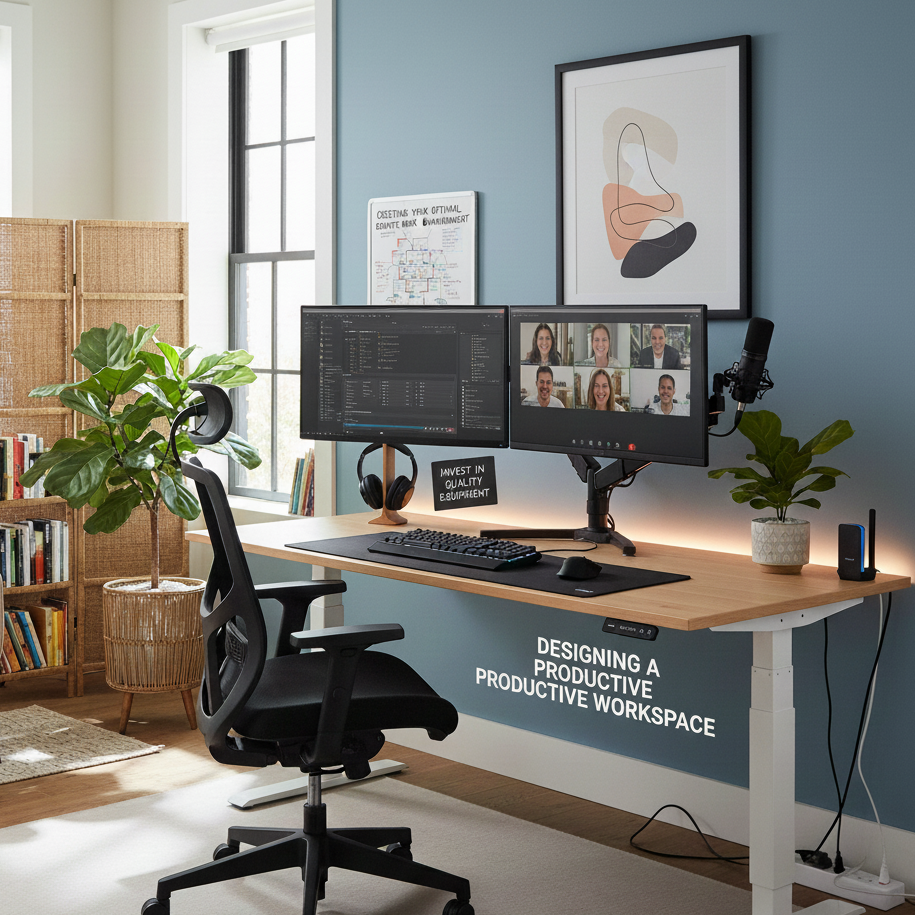
Designing a Productive Workspace
Your physical environment significantly impacts remote work productivity and well-being. Creating a dedicated workspace that promotes focus, creativity, and professional performance requires thoughtful planning and investment. Consider ergonomics, lighting, noise levels, and technological requirements when designing your remote work setup.
Invest in quality equipment including an ergonomic chair, adjustable desk, and proper lighting to prevent physical strain during long work sessions. Your remote work space should minimize distractions while providing necessary tools and resources within easy reach. Consider using room dividers or designated areas to create psychological boundaries between work and personal life.
The aesthetic aspect of your remote work environment also matters for motivation and mental well-being. Personalize your space with plants, artwork, or motivational elements while maintaining professional appearance for video calls. Natural light exposure and proper ventilation contribute to cognitive performance and overall satisfaction with your remote work experience.
Technology Infrastructure for Success
Reliable technology forms the backbone of effective remote work arrangements. Beyond basic computer and internet requirements, successful remote professionals invest in redundant systems, quality peripherals, and specialized software that enhances productivity. Understanding and optimizing your technical setup prevents frustrating disruptions and maintains professional credibility.
Ensure your internet connection meets bandwidth requirements for video conferencing, file transfers, and cloud-based applications essential for remote work. Consider backup connectivity options like mobile hotspots for critical meetings or deadlines. Invest in quality audio equipment including noise-canceling headphones and a professional microphone for clear communication during virtual interactions.
Master the collaboration tools and platforms used by your organization or clients. Develop proficiency with project management systems, communication platforms, and file-sharing services that facilitate remote work coordination. Stay updated with new features and integrations that can streamline your workflows and improve team collaboration.
For more career development resources and remote work guides, visit:
👉 https://easynaukri4u.com/
2. Mastering Time Management and Productivity
Structuring Your Remote Workday
Without traditional office structures, remote work requires exceptional self-discipline and time management skills. Developing consistent routines and boundaries helps maintain productivity while preventing burnout. Create daily schedules that align with your natural energy patterns and team requirements while building in flexibility for unexpected demands.
Establish clear start and end times for your workday, communicating these boundaries to both colleagues and household members. Use time-blocking techniques to allocate focused work periods, meetings, and breaks throughout your remote work schedule. Regular routines signal your brain to transition between work and personal modes, improving both productivity and relaxation quality.
Implement the Pomodoro Technique or similar productivity methods adapted for remote work contexts. These structured approaches help maintain focus during independent work while preventing the isolation and monotony that can accompany extended home office sessions. Track your time to identify patterns, optimize your schedule, and demonstrate accountability in remote work arrangements.
Avoiding Common Productivity Pitfalls
Remote work presents unique productivity challenges including household distractions, lack of supervision, and difficulty disconnecting from work. Recognizing and addressing these pitfalls proactively ensures sustained high performance. Develop strategies for managing interruptions, maintaining motivation, and preserving work-life boundaries.
Combat procrastination by breaking large projects into smaller, manageable tasks with clear deadlines. Use accountability partners or virtual coworking sessions to maintain focus during challenging tasks. Address the temptation to multitask between work and personal activities, which reduces efficiency and increases stress in remote work settings.
Prevent overwork by establishing clear boundaries and respecting your off-hours. The accessibility of remote work can lead to extended hours and burnout if not carefully managed. Use separate user accounts, physical workspace changes, or ritual transitions to signal the end of your workday and protect personal time.
3. Communication Excellence in Virtual Teams
Written Communication Mastery
Effective written communication becomes paramount in remote work environments where most interactions occur through text. Developing clear, concise, and engaging writing skills ensures your messages achieve intended outcomes while maintaining professional relationships. Master various formats including emails, instant messages, project updates, and documentation.
Structure written communications for easy scanning and comprehension, using headers, bullet points, and clear formatting. In remote work contexts, assume messages may be read quickly or out of context, requiring extra clarity and completeness. Include necessary background information, specific action items, and clear deadlines to prevent misunderstandings.
Adapt your communication style for different platforms and audiences within remote work settings. Instant messages require brevity and informality, while project documentation demands thoroughness and precision. Develop sensitivity to tone in written communication, using appropriate formality levels and emotional indicators to maintain positive team dynamics.
Virtual Meeting Excellence
Video conferences have become the primary meeting format in remote work, requiring different skills than in-person interactions. Master both the technical and interpersonal aspects of virtual meetings to maintain influence and build relationships despite physical distance. Prepare thoroughly for video calls, testing technology and organizing materials in advance.
Develop strong virtual presence through professional appearance, appropriate backgrounds, and engaged body language during remote work meetings. Maintain eye contact with the camera rather than the screen, speak clearly with appropriate pacing, and use gestures naturally to enhance communication. Master screen sharing, virtual whiteboards, and other collaborative features that enrich virtual meetings.
Practice inclusive facilitation techniques that ensure all participants can contribute effectively in remote work meetings. Address technical difficulties gracefully, manage time zones considerately, and create opportunities for informal interaction that builds team cohesion. Document meeting outcomes clearly and distribute follow-up communications promptly to maintain momentum.
4. Building and Maintaining Professional Relationships
Virtual Networking Strategies
Professional networking in remote work environments requires intentional effort and creative approaches. Without casual office encounters or industry events, building meaningful professional relationships demands proactive outreach and consistent engagement. Develop systematic approaches to expanding and nurturing your professional network virtually.
Leverage LinkedIn and professional platforms strategically for remote work networking. Share valuable content, engage thoughtfully with others’ posts, and initiate meaningful conversations with industry peers. Join virtual communities, attend online events, and participate in professional discussions that showcase your expertise while building connections.
Schedule virtual coffee chats or informal video calls to maintain relationships and create new connections in remote work settings. These intentional touchpoints replace spontaneous office interactions and help build rapport despite physical distance. Prepare engaging questions, share valuable insights, and follow up consistently to strengthen professional relationships.
Team Cohesion and Culture
Contributing to positive team culture in remote work environments requires deliberate effort to bridge physical separation. Participate actively in virtual team-building activities, celebrate colleagues’ achievements, and create opportunities for informal interaction. Your engagement helps maintain morale and collaboration effectiveness despite distributed locations.
Initiate or support virtual social activities that strengthen team bonds in remote work settings. This might include virtual lunch sessions, online game nights, or collaborative playlists that create shared experiences. Balance professional and personal sharing to build authentic relationships while maintaining appropriate boundaries.
To explore more remote work resources and career guidance, visit:
👉 https://easynaukri4u.com/
5. Health and Well-being for Remote Workers
Physical Health Considerations
Remote work can negatively impact physical health through prolonged sitting, poor posture, and reduced movement. Implement strategies to maintain physical well-being while working from home. Create movement routines, invest in ergonomic equipment, and establish healthy habits that support long-term remote work sustainability.
Incorporate regular movement breaks into your remote work schedule, using apps or timers as reminders. Simple stretches, brief walks, or desk exercises prevent stiffness and improve circulation. Consider standing desk options or alternative seating arrangements that promote better posture throughout your workday.
Maintain healthy eating habits despite easy kitchen access in remote work environments. Prepare nutritious meals in advance, establish regular meal times, and avoid unconscious snacking while working. Stay hydrated and limit excessive caffeine consumption that can increase anxiety and disrupt sleep patterns.
Mental Health and Emotional Well-being
The isolation and blurred boundaries of remote work can impact mental health significantly. Develop strategies for maintaining emotional well-being, managing stress, and preventing burnout. Recognize warning signs of mental health challenges and seek support when needed.
Combat isolation through regular social interactions, both professional and personal, outside of work requirements. Join virtual communities, maintain friendships, and engage in activities that provide social connection beyond remote work responsibilities. Consider coworking spaces or coffee shops occasionally for environment variety and human interaction.
Practice mindfulness and stress management techniques adapted for remote work challenges. This might include meditation apps, breathing exercises, or brief outdoor breaks between tasks. Establish clear boundaries between work and personal life to prevent the always-on mentality that can accompany remote work flexibility.
6. Career Development in Remote Settings
Visibility and Recognition
Maintaining career visibility in remote work environments requires intentional self-promotion and strategic communication. Without physical presence, your contributions may go unnoticed unless deliberately highlighted. Develop techniques for showcasing achievements and maintaining presence in organizational consciousness.
Document and communicate your accomplishments regularly in remote work settings. Send weekly updates to managers, share project successes with teams, and maintain detailed records of contributions. Use data and metrics to quantify your impact, making your value undeniable despite physical absence.
Volunteer for high-visibility projects and cross-functional initiatives that showcase your capabilities beyond immediate team boundaries. Participate actively in virtual meetings, contribute ideas, and take leadership roles in remote work projects. Build reputation as reliable, innovative, and collaborative despite distributed location.
Skill Development and Learning
Continuous learning becomes even more critical in remote work environments where career development requires self-direction. Take advantage of online learning opportunities, virtual conferences, and digital resources to expand your capabilities. Create structured development plans that advance your career despite limited in-person mentoring.
Identify skills gaps relevant to your career goals and create systematic plans for addressing them through online resources. Many organizations offer learning stipends or subscriptions to educational platforms for remote work employees. Take full advantage of these opportunities while also investing personal resources in career development.
Seek virtual mentorship and coaching relationships that support your professional growth in remote work contexts. Regular video sessions with mentors provide guidance and accountability for career development. Join professional associations offering virtual programming and networking opportunities relevant to your field.
7. Managing Remote Work Challenges
Dealing with Isolation and Loneliness
Social isolation represents one of the most significant challenges in remote work arrangements. Develop strategies for maintaining social connections and preventing the negative impacts of prolonged solitude. Build routines that incorporate social interaction into your daily schedule.
Create artificial commutes or transition rituals that provide mental separation between work and personal time in remote work settings. This might include morning walks, podcast listening, or meditation sessions that replace traditional commute benefits of transition time and mental preparation.
Join or create virtual coworking sessions where remote work professionals work simultaneously via video while maintaining independent focus. These sessions provide accountability, social presence, and opportunities for brief interactions that mimic office environments. Regular participation combats isolation while maintaining productivity.
Handling Distractions and Interruptions
Home environments present numerous distractions that can derail remote work productivity. Develop strategies for managing household interruptions, delivery notifications, and personal task temptations during work hours. Create systems that minimize disruptions while maintaining necessary flexibility.
Communicate clear boundaries with household members about your remote work schedule and availability. Use visual signals like closed doors or “do not disturb” signs during focused work periods. Establish family agreements about noise levels, interruption protocols, and shared space usage during working hours.
8. Technology Tools and Platforms
Essential Remote Work Software
Success in remote work depends on mastering various digital tools and platforms. Beyond basic communication applications, explore specialized software that enhances productivity, collaboration, and project management. Stay current with emerging technologies that improve remote work effectiveness.
Master comprehensive collaboration suites like Microsoft Teams, Slack, or Google Workspace that integrate communication, file sharing, and project coordination. Understand advanced features including automation, integrations, and customization options that streamline remote work processes. Develop proficiency with industry-specific tools relevant to your role.
Explore productivity applications designed specifically for remote work challenges. Time-tracking tools provide accountability and insights into work patterns. Focus apps minimize digital distractions during deep work sessions. Password managers and VPNs ensure security while working from various locations.
Emerging Technologies for Remote Teams
Stay informed about emerging technologies reshaping remote work experiences. Virtual reality platforms promise more immersive meeting experiences by 2026. Artificial intelligence assists with scheduling, task automation, and communication optimization. Understanding these trends positions you advantageously for future remote work evolution.
Experiment with new platforms and features as they become available, providing feedback and suggestions for improvement. Early adoption of innovative remote work technologies demonstrates adaptability and positions you as a forward-thinking professional. Share insights with colleagues to establish thought leadership.
9. Legal and Financial Considerations
Understanding Remote Work Policies
Navigate the legal and policy implications of remote work arrangements carefully. Understand your rights, responsibilities, and limitations under company policies and local regulations. Stay informed about evolving legislation affecting remote work practices and protections.
Review and understand your employment contract’s remote work provisions, including equipment responsibilities, expense reimbursements, and performance expectations. Clarify policies regarding work hours, availability requirements, and communication protocols. Document agreements about remote work arrangements to prevent future misunderstandings.
Tax and Financial Planning
Remote work can have significant tax implications, especially when working across state or international boundaries. Understand your tax obligations and opportunities for deductions related to home office expenses. Consult professionals for complex situations involving multiple jurisdictions.
Track expenses related to your remote work setup for potential tax deductions. Maintain detailed records of equipment purchases, internet costs, and other business expenses. Understand the requirements for home office deductions and ensure compliance with tax regulations.
10. Future Trends and Preparation
The Evolution of Remote Work
Anticipate how remote work will continue evolving through 2026 and beyond. Prepare for increased automation, AI assistance, and virtual reality integration in daily work activities. Develop skills and mindsets that remain valuable regardless of technological changes.
The future of remote work will likely include more sophisticated virtual presence technologies, making remote interactions increasingly indistinguishable from in-person experiences. Prepare for these changes by maintaining technological fluency and adaptability. Embrace new tools and platforms as they emerge rather than resisting change.
Building Long-term Remote Success
Develop sustainable practices that support long-term remote work success without sacrificing well-being or career growth. Create systems that evolve with changing circumstances while maintaining core productivity and satisfaction. Build resilience for navigating future challenges in distributed work environments.
Regularly assess and adjust your remote work strategies based on changing needs and circumstances. What works initially may require modification as situations evolve. Maintain flexibility while establishing consistent foundations that support sustained performance and well-being.
For additional remote work resources and career development tools, visit:
👉 https://easynaukri4u.com/
Conclusion
Success in remote work environments requires more than just technical skills and reliable internet connections. It demands deliberate strategies for productivity, communication, relationship building, and personal well-being. As remote work continues evolving toward 2026, professionals who master these comprehensive approaches position themselves for career success and personal satisfaction.
The strategies outlined in this guide provide frameworks for excelling in remote work while maintaining balance and continuing professional growth. Remember that mastering remote work is an ongoing journey requiring continuous adaptation and learning. Start implementing these strategies today to build sustainable practices that serve you throughout your career.
Take action now by assessing your current remote work setup and identifying areas for improvement. Whether optimizing your physical workspace, developing new communication skills, or building stronger virtual relationships, each step enhances your effectiveness and satisfaction in distributed work environments. Your investment in mastering remote work today determines your professional success and well-being in the evolving world of work.