Powerful Personal Branding: Stand Out Successfully in 2026
BlogIntroduction
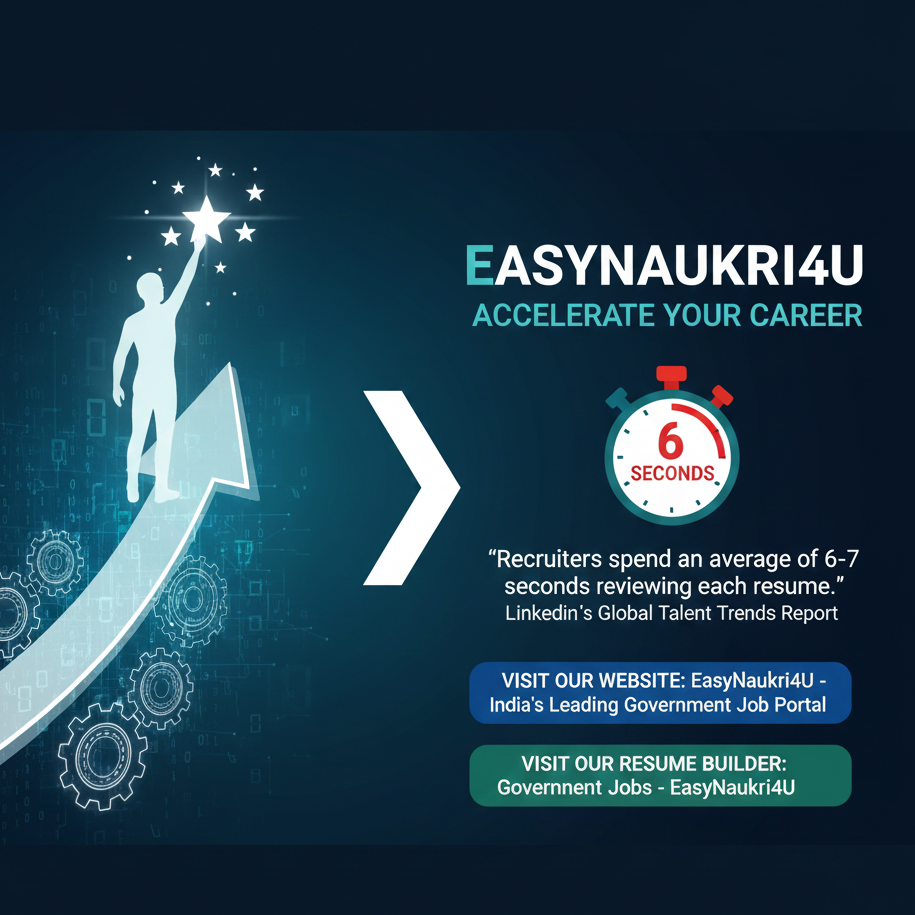
In today’s crowded professional landscape, talent alone no longer guarantees career advancement or opportunity recognition. Personal branding has emerged as the critical differentiator determining who gets noticed, hired, and promoted in competitive markets. As we approach 2026, professionals who strategically cultivate their unique professional identities will capture opportunities that others miss entirely. This comprehensive guide provides proven strategies for building authentic and impactful personal branding that accelerates your career growth.
visit our website – EasyNaukri4U – India’s Leading Government Job Portal
visit our resume builder – Government Jobs - EasyNaukri4U
“According to LinkedIn’s Global Talent Trends Report, recruiters spend an average of six to seven seconds reviewing each resume.”
Understanding Personal Branding in the Modern Era
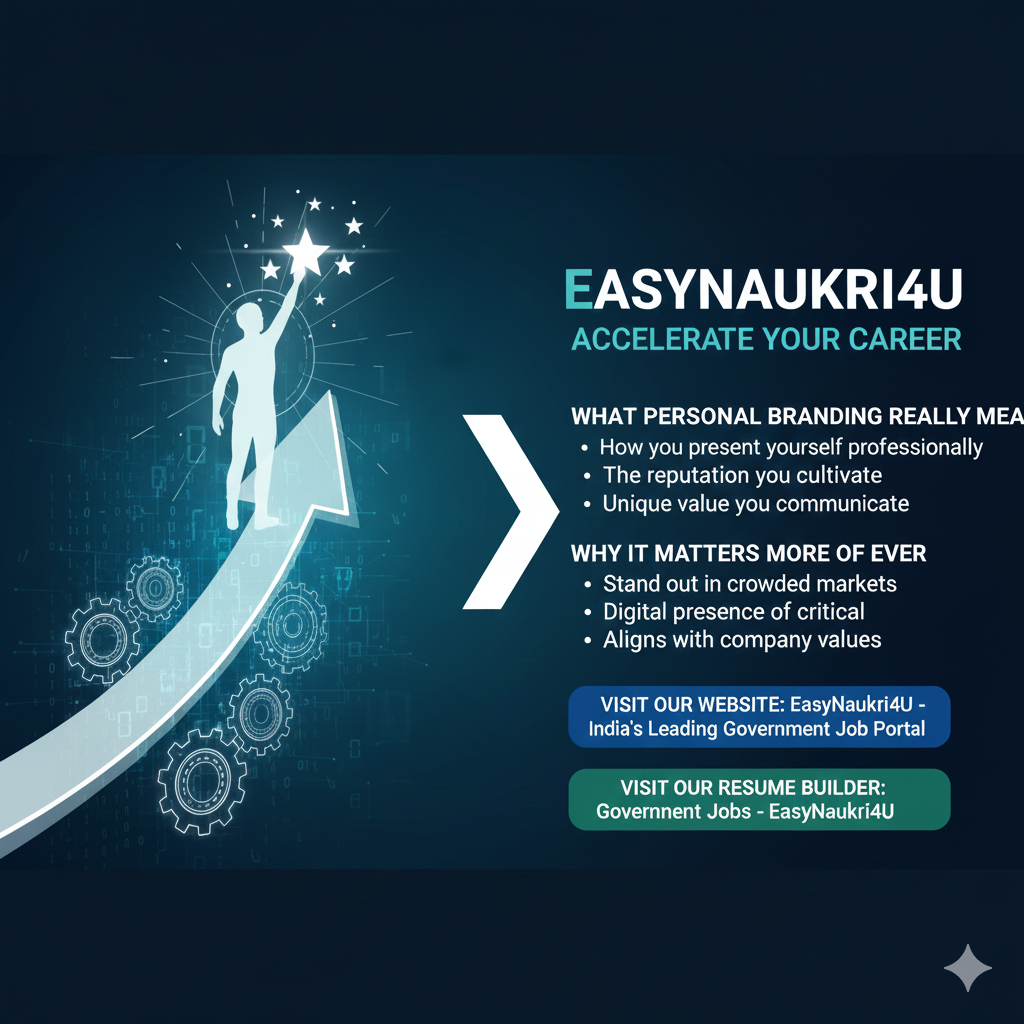
What Personal Branding Really Means
Personal branding encompasses how you present yourself professionally, the reputation you cultivate, and the unique value you communicate to your target audience. Unlike corporate branding, your professional identity reflects authentic characteristics, expertise, and perspectives that distinguish you from others in your field. This deliberate positioning shapes how colleagues, employers, and clients perceive your capabilities.
Many professionals mistakenly believe personal branding involves creating false personas or excessive self-promotion. In reality, effective professional identity development requires honest self-assessment and authentic communication of genuine strengths. The most sustainable brands reflect true capabilities rather than manufactured images.
Why Personal Branding Matters More Than Ever
The digital age has democratized visibility while simultaneously increasing competition for attention. Your personal branding determines whether you stand out or disappear in crowded professional spaces. Recruiters, clients, and collaborators increasingly research professionals online before making decisions, making your digital presence critically important.
Organizations seek individuals whose professional identities align with company values and culture. Strong personal branding communicates this alignment clearly, helping you attract opportunities with organizations where you’ll thrive. This strategic positioning saves time for both parties while increasing match quality.
1. Discovering Your Unique Professional Identity
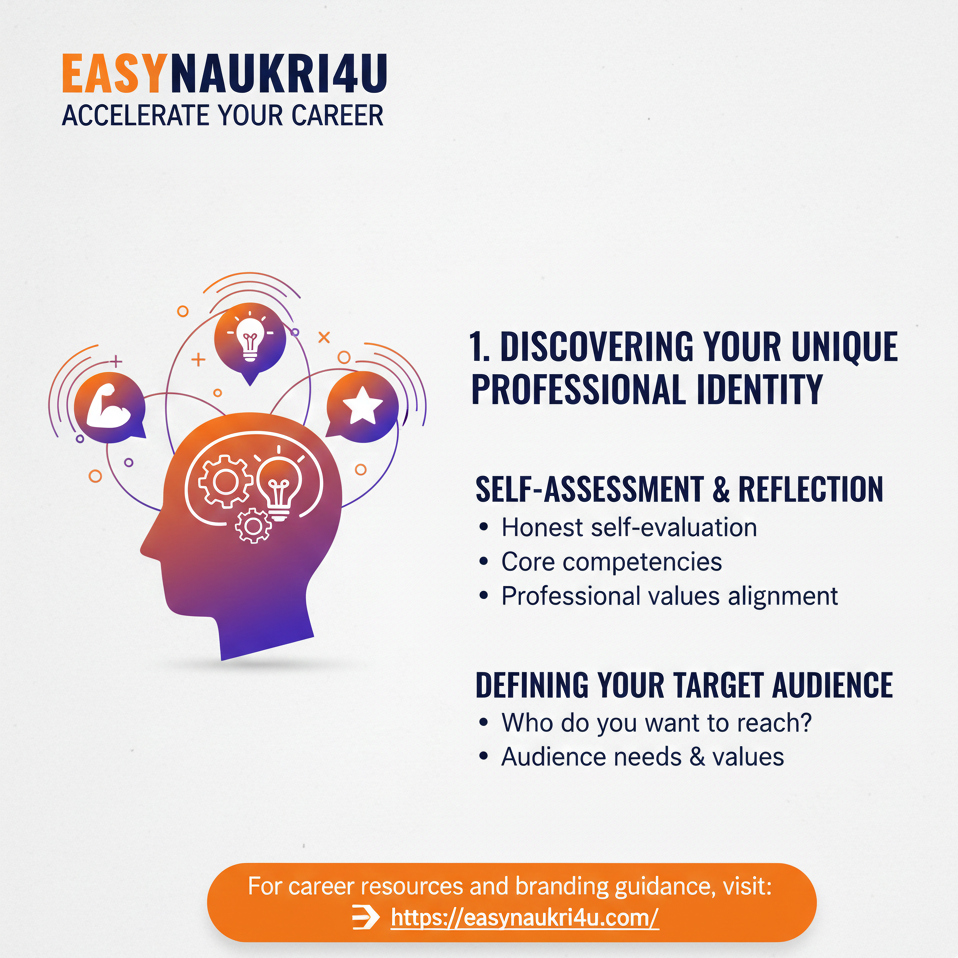
Self-Assessment and Reflection
Effective personal branding begins with honest self-evaluation of your strengths, values, and aspirations. Understanding what makes you unique provides foundation for authentic positioning that resonates with target audiences. This introspective work prevents building brands disconnected from genuine capabilities.
Identify your core competencies distinguishing you from others with similar backgrounds. Your personal branding should highlight capabilities where you genuinely excel rather than areas of average performance. Focus creates clarity for audiences evaluating your professional value.
Consider your professional values and how they influence your work approach. These principles should infuse your brand identity, attracting like-minded collaborators and organizations. Authentic value alignment creates sustainable professional relationships.
Defining Your Target Audience
Clarify who you want your personal branding to reach and influence. Different audiences require different messaging and positioning strategies. Understanding your target enables focused communication rather than diluted attempts to appeal universally.
Research what your target audience values, needs, and seeks in professionals like you. Your brand positioning should address these requirements directly. This audience-centered approach creates relevance that self-focused branding misses entirely.
For career resources and branding guidance, visit:
👉 https://easynaukri4u.com/
2. Crafting Your Brand Message
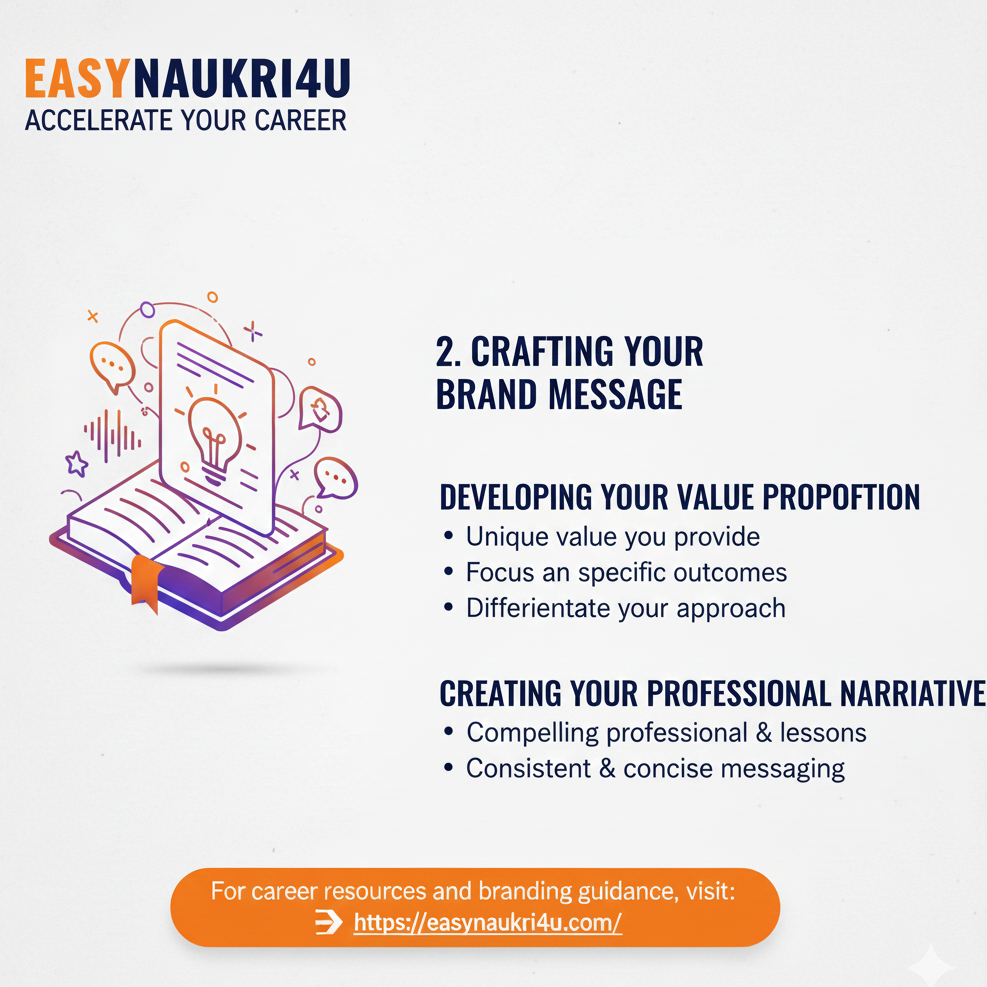
Developing Your Value Proposition
Your personal branding must clearly communicate the unique value you provide. This value proposition answers the question of why someone should choose you over alternatives. Clarity in this message enables audiences to quickly understand and remember your professional identity.
Articulate specific outcomes you help clients or employers achieve rather than merely listing capabilities. Results-focused personal branding resonates more powerfully than feature-based descriptions. People care about what you can do for them, not just what you can do.
Differentiate your approach from competitors in meaningful ways. Generic positioning fails to create memorable impressions in crowded markets. Your unique methodology, perspective, or combination of skills should feature prominently in brand messaging.
Creating Your Professional Narrative
Humans connect with stories more deeply than facts alone. Your personal branding should include compelling narrative explaining your professional journey, motivations, and vision. This story creates emotional connection supplementing logical value proposition.
Develop consistent storytelling elements including your origin, challenges overcome, and lessons learned. These narrative components make your brand memorable while demonstrating authenticity. Audiences remember stories long after forgetting statistics.
Practice telling your professional story concisely for various contexts from elevator pitches to detailed interviews. Different situations require different versions while maintaining core message consistency. This flexibility enables effective personal branding across diverse opportunities.
3. Building Your Online Presence
LinkedIn Optimization
LinkedIn serves as primary platform for professional personal branding in most industries. Optimizing your profile ensures you appear in relevant searches while making strong impressions on visitors. This platform often provides first impressions determining whether opportunities progress.
Craft compelling headline extending beyond job title to communicate unique value. Your personal branding headline should capture attention while incorporating searchable keywords. This prime real estate deserves careful optimization for maximum impact.
Write summary section telling your professional story while highlighting key capabilities and achievements. This narrative space enables personality expression beyond typical resume content. Use first person voice for authentic connection with readers.
Website and Portfolio Development
Dedicated websites provide complete control over your personal branding presentation. Unlike social platforms, personal websites allow unlimited customization reflecting your unique professional identity. This owned property serves as anchor for all digital presence efforts.
Include portfolio demonstrating capabilities through concrete work examples. Evidence of expertise strengthens personal branding more effectively than claims alone. Visual proof of capabilities persuades audiences while differentiating from competitors lacking such evidence.
Ensure website design reflects your professional positioning appropriately. Creative professionals need visually distinctive sites while corporate professionals benefit from polished, traditional presentations. Design choices communicate brand attributes before visitors read any content.
4. Content Creation Strategy
Establishing Thought Leadership
Regular content creation positions you as expert worthy of attention and trust. Your personal branding gains credibility through demonstrated knowledge shared generously with audiences. This thought leadership attracts opportunities that pure self-promotion cannot access.
Identify content themes aligned with your expertise and audience interests. Focused personal branding content establishes authority in specific domains rather than superficial coverage across many topics. Depth builds reputation more effectively than breadth.
Develop consistent publishing schedule sustainable over long periods. Sporadic content creation fails to build audience expectations and engagement. Your brand benefits more from modest consistent output than occasional intensive bursts followed by silence.
Content Format Selection
Choose content formats matching your strengths and audience preferences. Written articles, video content, podcasts, and visual materials each suit different creators and consumers. Your personal branding content strategy should leverage formats where you excel.
Experiment with multiple formats initially before focusing on most effective approaches. Different audiences consume content differently, and testing reveals what resonates with your targets. Data-informed decisions optimize limited content creation resources.
To explore more branding resources and career tools, visit:
👉 https://easynaukri4u.com/
5. Networking and Relationship Building
Strategic Connection Development
Professional relationships amplify your personal branding reach and impact. Networks provide platforms for demonstrating expertise while connecting you with opportunities. Strategic relationship building complements digital presence for comprehensive brand development.
Approach networking with genuine interest in mutual value creation rather than pure self-interest. Authentic relationship building creates sustainable connections supporting your personal branding long-term. Transactional networking produces shallow relationships with limited value.
Maintain regular contact with valuable connections through various touchpoints. Relationship maintenance requires ongoing investment preventing connections from deteriorating. Consistent engagement keeps your brand visible within networks that matter.
Community Engagement
Active participation in professional communities enhances your personal branding visibility and credibility. Contributing value to communities demonstrates expertise while building relationships with engaged professionals. This engagement creates brand ambassadors who share your content and recommend your services.
Seek leadership roles in relevant professional organizations when appropriate. Visible community leadership positions strengthen personal branding while providing platforms for thought leadership expression. These roles often lead to speaking, writing, and consulting opportunities.
6. Speaking and Public Visibility
Developing Speaking Opportunities
Public speaking provides powerful platforms for personal branding amplification. Live presentations create memorable impressions while demonstrating expertise more dynamically than written content. Audiences who experience your speaking often become strong brand advocates.
Start with smaller venues appropriate to current experience levels before pursuing larger stages. Each speaking engagement builds skills and credentials supporting pursuit of more prestigious opportunities. Your personal branding benefits from consistent speaking presence rather than isolated events.
Develop signature presentations reflecting your unique expertise and perspective. Distinctive content differentiates you from generic speakers covering similar topics. This intellectual property becomes associated with your professional identity.
Media and Publicity
Media appearances significantly boost personal branding reach and credibility. Third-party endorsement through interviews, features, and expert commentary carries weight that self-promotion cannot achieve. Strategic publicity efforts complement owned content creation.
Develop relationships with journalists and content creators covering your expertise areas. Providing genuine value through expert insights builds relationships leading to future opportunities. Your helpfulness positions you as reliable source for ongoing coverage.
7. Visual Identity Development
Professional Photography
Visual elements significantly impact personal branding effectiveness. Professional headshots and photos create positive first impressions across digital platforms. Investment in quality photography pays dividends through enhanced professional perception.
Ensure photography style aligns with your overall brand positioning. Creative professionals might use distinctive artistic shots while corporate professionals benefit from traditional business portraits. Visual consistency across platforms reinforces brand identity.
Update photography regularly to maintain current, accurate representation. Outdated images create negative impressions when reality differs significantly from photos. Current visuals demonstrate attention to detail and professional maintenance.
Consistent Visual Elements
Develop consistent visual identity including colors, fonts, and design elements across all brand touchpoints. This visual consistency strengthens personal branding recognition and professionalism. Audiences subconsciously associate these elements with your professional identity.
Apply visual identity consistently across business cards, website, social profiles, and presentation materials. Inconsistent visual presentation undermines professional perception regardless of content quality. Attention to visual details signals overall professional excellence.
8. Reputation Management
Monitoring Your Brand
Regular monitoring reveals how others perceive your personal branding and identifies issues requiring attention. Google alerts, social listening, and direct feedback provide insights into brand health. This awareness enables proactive management rather than reactive crisis response.
Address negative content or misperceptions promptly before they spread or solidify. Your personal branding reputation requires active protection against inaccurate information or unfair criticism. Strategic response often prevents minor issues from becoming major problems.
Seek feedback deliberately from trusted colleagues and mentors about your professional perception. External perspectives reveal blind spots invisible through self-assessment alone. This input guides brand refinement efforts effectively.
Building Credibility
Credibility forms the foundation of effective personal branding that influences decisions. Audiences must trust your expertise and integrity before your brand can achieve its objectives. Building this trust requires consistent demonstration of competence and character.
Deliver on promises and commitments consistently to build reputation for reliability. Your personal branding suffers irreparably from patterns of unmet expectations. Reliability creates trust more effectively than impressive claims.
Acknowledge limitations honestly rather than overstating capabilities. Authentic professionals who recognize their boundaries earn more trust than those who claim universal expertise. This honesty strengthens rather than weakens your brand.
9. Industry-Specific Branding Strategies
Technology Professionals
Tech industry personal branding emphasizes technical expertise, innovation, and problem-solving capabilities. Demonstrating skills through GitHub contributions, technical writing, and project portfolios proves capabilities concretely. This industry values evidence of execution over polished presentation.
Engage with developer communities and open-source projects to build visibility among peers. Technical professionals often prefer community engagement over traditional networking approaches. Your personal branding should align with industry cultural norms for maximum effectiveness.
Creative Industries
Creative professionals benefit from distinctive personal branding that demonstrates artistic sensibility through every touchpoint. Portfolio quality matters more than formal credentials in these fields. Your brand presentation itself showcases capabilities you offer clients.
Develop recognizable visual style distinguishing your work from competitors. This signature approach becomes associated with your professional identity and attracts clients seeking your particular aesthetic. Differentiation proves essential in crowded creative markets.
Business and Finance
Corporate personal branding emphasizes credibility, expertise, and professional polish. Thought leadership through articles, speaking, and media commentary establishes authority. These industries value demonstrated knowledge and professional networks.
Build brand around specific expertise areas rather than general business capabilities. Specialization creates clearer positioning while justifying premium compensation. Your brand should communicate exactly what problems you solve for clients or employers.
For comprehensive branding strategies and tips, visit:
👉 https://easynaukri4u.com/
10. Measuring Brand Effectiveness
Key Performance Indicators
Establish metrics tracking your personal branding effectiveness over time. Website traffic, social engagement, speaking invitations, and inbound opportunities indicate brand health. Regular measurement reveals what’s working and what requires adjustment.
Track both quantitative metrics and qualitative indicators of brand strength. Numbers alone miss important dimensions like perception quality and relationship depth. Comprehensive assessment includes both data analysis and feedback gathering.
Continuous Improvement
Use measurement insights to refine personal branding strategies continuously. What worked previously may lose effectiveness as markets and audiences evolve. Ongoing optimization maintains brand relevance and impact.
Experiment with new approaches while maintaining core brand consistency. Innovation in tactics can enhance brand performance while strategic positioning remains stable. Balance consistency with adaptation for sustainable brand growth.
Common Personal Branding Mistakes
Inauthenticity
Attempting to project false images ultimately undermines personal branding when reality surfaces. Audiences eventually discover discrepancies between brand claims and genuine capabilities. This discovery damages trust irreparably.
Build brands reflecting authentic strengths rather than aspirational characteristics you don’t possess. Genuine positioning may feel less impressive initially but proves more sustainable long-term. Authenticity creates the foundation for lasting professional reputation.
Inconsistency
Inconsistent messaging, visual presentation, or behavior confuses audiences about your professional identity. Your personal branding effectiveness depends on reliable consistency across all touchpoints. This consistency creates clear, memorable impressions that scattered presentation cannot achieve.
Neglecting Maintenance
Brands require ongoing attention and investment to remain effective. Outdated profiles, inactive content creation, and neglected relationships erode personal branding value over time. Regular maintenance preserves brand assets you’ve invested in building.
Future Trends in Personal Branding
AI and Automation Impact
Artificial intelligence will transform how professionals build and maintain their brands. AI tools can assist content creation, audience analysis, and brand monitoring. Professionals who leverage these technologies effectively will gain advantages over those who don’t.
However, authentic human connection remains irreplaceable despite technological advancement. Your personal branding should leverage AI capabilities while maintaining genuine human elements that audiences value.
Evolving Platform Dynamics
New platforms will emerge while existing platforms evolve their features and algorithms. Adaptable professionals maintain brand presence across changing digital landscapes. Building brand equity in owned properties like websites provides stability amid platform changes.
Increased Personalization
Audiences increasingly expect personalized experiences and communications. Your personal branding strategies should incorporate personalization capabilities where possible. Tailored engagement creates stronger connections than generic mass communication.
Building Your Personal Brand Action Plan
Assessment Phase
Begin by evaluating your current brand position including online presence, reputation, and competitive differentiation. Honest assessment reveals gaps between current reality and desired positioning. This baseline enables strategic planning.
Strategy Development
Create comprehensive personal branding strategy addressing messaging, visual identity, content creation, and relationship building. Documented strategy ensures coordinated effort across multiple brand development activities.
Implementation
Execute your strategy consistently over sustained periods. Brand building requires patience as reputation develops through accumulated impressions over time. Consistent action eventually produces compounding results.
Evaluation and Refinement
Regularly assess brand effectiveness and adjust approaches based on results. Your personal branding should evolve with changing markets, audiences, and personal development. Continuous improvement maintains brand relevance and impact.
Conclusion
Building powerful personal branding has become essential for career success in 2026’s competitive professional landscape. The strategies provided in this guide offer comprehensive framework for developing authentic professional identity that attracts opportunities and advances your career.
Remember that effective personal branding requires authenticity, consistency, and sustained effort over time. Quick fixes and manufactured images fail compared to genuine positioning reflecting real capabilities and values. Patience combined with strategic action produces lasting brand equity.
Start building your professional brand today by assessing your current position, defining your unique value, and creating presence across relevant platforms. Your commitment to strategic personal branding determines your visibility, opportunities, and ultimate career trajectory.
Take action now by choosing one brand development priority and implementing initial steps this week. Each action builds momentum toward the professional identity you envision. Your investment in personal branding today shapes how the professional world perceives and values you tomorrow.