How to Choose the Right Career in 2026: A Detailed Guide
BlogIntroduction
How to choose the right career is a big question for every student and professional in 2026. There has never been a more important time to choose the right career path than now. Strong influencers are changing the labor market: fast technological change in the form of artificial intelligence (AI) and automation; climate challenges; and economic shifts. The kinds of skills people need to work, the skills employers want, and the jobs that are the most and least in demand are all changing dramatically.
If you choose a profession without taking these trends into account, you could end up in an area that is contracting or disappearing. But learning how to choose the right career with the right amount of information could pave the way for long term growth and gratification in your career and the industry!
According to the World Economic Forum Future of Jobs Report, 39% of current workforce skills may become obsolete within the next five years. This guide provides step-by-step advice on how to select a career path that suits your interests, skills, and the future job market of 2026.
Good for you –
Visit our website – EasyNaukri4U – India’s Leading Government Job Portal
visit our resume builder – Government Jobs - EasyNaukri4U
“According to LinkedIn’s Global Talent Trends Report, recruiters spend an average of six to seven seconds reviewing each resume.”
Let’s break it down, step by step: from getting to know yourself, to investigating new career paths, to crafting solid goals, to developing the right skills, to finally making a confident choice. By the conclusion, you should be prepared to chart your own professional path with both purpose and practicality.
Step 1: How to Choose the Right Career by Knowing Yourself
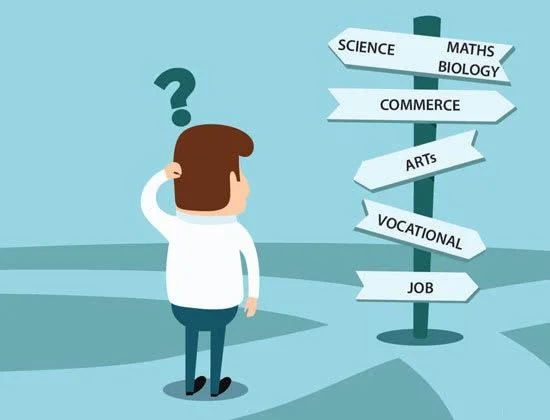
Identify Your Interests and Skills
The first step in understanding how to choose the right career is self-discovery. Don’t ask yourself what the world needs – ask yourself what you need. Ask yourself: what do I like doing? What is easy for me? Which activities make you lose track of time? This information about your interests may help you find a profession that you believe is significant.
And run your strengths through the same test: soft and technical. Perhaps you excel at analytical problem solving, or communication might be your best attribute. You want to find those opportunities where your talents and strengths align, and where, instead of feeling like work, it feels like you’re leveraging what you do best.
When you know what you’re good at, you understand how to translate that into a job. When you know your key strengths, you can find roles that will feel more like work you get paid to do, and less like work you do for your job.
Know Your Values and Your Preferences
Consider your priorities: What are the most important things in a job for you? Is it stability, freedom, purpose, financial security, or something else? Would you like to promote sustainability, make a living at a large tech company, or assist people? Your ideal profession is formed by your values.
Also, consider how you prefer to work: Would you work in a traditional office setting, or are you interested in a remote/hybrid position? Would you prefer a job with a set schedule or one based on projects? 2026 is witnessing a surge towards more flexible and hybrid work arrangements.
Use Self-Assessment Tools
Applications and examinations to evaluate yourself such as MBTI or other personality tests, strengths profilers, or career aptitude tests might have some use. According to 16Personalities, understanding your personality type can reveal career paths that align with your natural tendencies.
These tools can reveal your natural tendencies, as well as suggest careers that match your personal profile. If you want to learn more about personality assessments, check out our guide on understanding personality tests for career planning.
Step 2: How to Choose the Right Career by Exploring 2026 Trends
Key Trends That Are Reshaping The Workforce
Understanding market trends is essential when learning how to choose the right career. The big shifts in the jobs market you need to be aware of to pick the right career are:
AI and Automation: Technology such as AI, the Internet of Things, robotics, and automation is set to transform business models. According to McKinsey Global Institute, automation could displace 400 million workers globally by 2030.
Green Transition & Sustainability: Climate change is not an environmental issue anymore — it is now a core business concern. Positions in renewable energy, environmental engineering and sustainability strategy are all growing rapidly.
Skill-Based Hiring: A lot more companies are hiring for skills, not just degrees. Workers who have the right skills (particularly in the tech and green industries) are more valuable than ever.
Hybrid Work: Remote and hybrid have become permanent work models, at least for many companies.
Care Economy: Driven by aging populations and increasing demand for emotional and social support, jobs in healthcare, social work, counseling and personal care — where human touch is essential — are expanding.
Fast-Growing Jobs to Consider in 2026
Based on the trends we are seeing now, these career paths should be on the rise or continue to be a good career option in 2026:
AI & Machine Learning: Positions such as AI specialists, ML engineers, and data scientists are listed among the fastest-growing. The U.S. Bureau of Labor Statistics projects 35% growth in data science roles.
Big Data & Cyber Security: With data production and cyber risks on the increase, the demand for data analysts, big data professionals, and security experts is not diminishing.
Green Energy & Sustainability: Renewable energy engineers, environmental consultants and sustainability analysts have also become an increasingly essential part of the business case.
Healthcare & Behavioral Health: There is suddenly and ever increasing requirement for mental health professionals, nurses, telemedicine specialists, and biotech professionals.
Fintech & ESG Finance: Finance is changing — FinTech engineers, ESG compliance officers and financial analysts are growing in numbers.
Quantum Technology: While still a niche field, quantum computing jobs are starting to appear as research and commercial developments proliferate.
For more information on trending careers, read our article on top in-demand skills for 2026.
Step 3: How to Choose the Right Career by Setting Goals
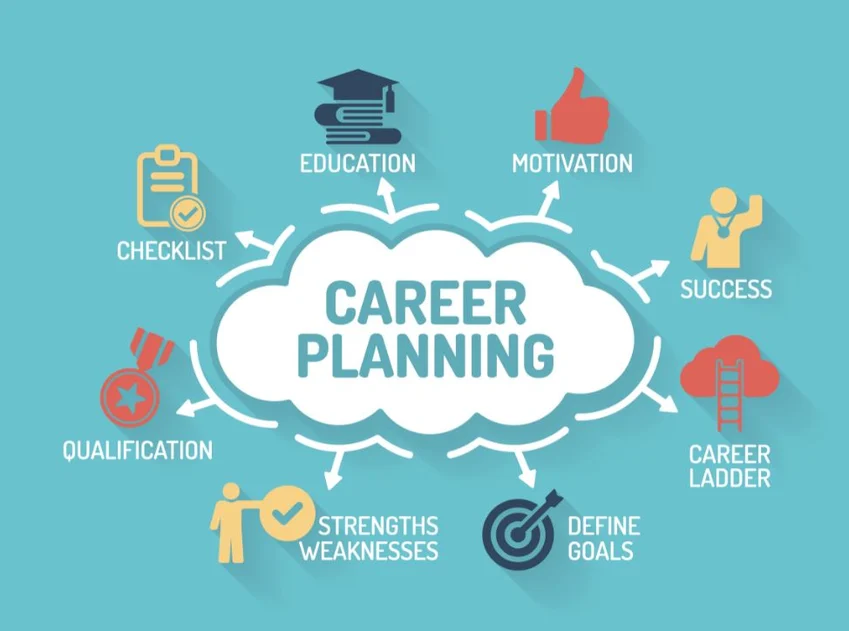
Set Short-Term and Long-Term Goals
Setting clear goals is crucial when figuring out how to choose the right career path. Consider both timeframes:
Short-term (1-2 years): These may be learning new skills, obtaining a certification, working on a small project, or completing an internship.
Long term (5+ years): Consider where you want to be in the somewhat distant future. Would you want to be senior data scientist, a sustainability consultant, or an AI product manager?
Try the SMART Framework
Ensure your goals are:
Specific: For example: “I will complete an online course on AI principles.”
Measurable: “I’ll try to make at least 80% on the course.”
Achievable: Think about your current schedule and commitments.
Relevant: Tie your goals to your vision and what matters to you.
Time-bound: “I will do it in 12 months.”
Align Goals with Your Values
Think about your values and those who support your plans. If sustainability is close to your heart, one of your long-term objectives might be a career in climate tech. If helping others is your passion, then perhaps social care or behavioral health are your best bets.
Step 4: How to Choose the Right Career by Building Skills
Identify Key Skills to Develop
Based on the 2025 trends, here are the skills you should have in mind when considering how to choose the right career:
Technical Skills: AI/ML, data science, cloud computing, networks, cybersecurity.
Green Skills: Environmental stewardship, renewable energy systems, ESG strategy.
Soft Skills: Adaptability, resilience, creativity, collaboration, problem solving, leadership.
Remote Work Skills: Communication, collaboration, managing distributed teams.
Leverage Learning Platforms
Online Courses & Bootcamps: Utilize platforms like Coursera, edX, or bootcamps to acquire the competencies required. Industry-aligned certifications have very high value.
Micro-Certifications: Research indicates that the combination of degrees and focused certifications significantly increases employability.
Hands-On Projects: Work on side projects, internships, open-source contributions, or freelance work. Real life experience is more compelling at times than certificates.
Upskilling and Reskilling
The World Economic Forum estimates that the majority of the workforce will have to reskill and upskill in the next few years. There are a lot of companies already who are giving priority to upskilling their workforce.
Stay current with industry news, find online communities related to your target field, and network with experts to keep your knowledge updated. Learn more about skill development in our guide on how to create a professional resume.
How to create a professional resume – “click here“
Step 5: How to Choose the Right Career Through Networking
Build a Professional Network
Networking is essential when learning how to choose the right career:
LinkedIn Connections: Follow up on LinkedIn with people who work in your target areas like AI, sustainability, and finance.
Online Communities: Participate in Slack channels, Discord servers, or other forums focused on the careers of the future.
Webinars and Workshops: These are educational and help you make connections.
Find Mentors
Find mentors who are currently employed in the positions you want. A mentor can:
- Discuss the trail of their career path
- Suggest learning resources
- Give feedback on your work or your resume
- Connect you with people you should meet in your industry
Build Your Portfolio
A powerful portfolio highlights not only what you are able to do, but what you have done:
- Projects on GitHub or personal websites
- Case studies or blogs on things you’ve worked on
- Side gigs or internships where you can show what you can really do
Step 6: How to Choose the Right Career by Making Informed Decisions
Compare Your Options
Write down a list of two or three career options you are considering. Understanding how to choose the right career means comparing these options using the following measures:
Potential for Growth: What work is growing or shrinking?
Investment Required: What will the education and certification process cost? How much time does each route require?
Lifestyle Fit: Do the position’s values and work-life balance align with yours?
Geographic Availability: With hybrid and remote work, location might matter less — but regional job markets still matter for some industries.
Know the Risks and Rewards
Some opportunities have lower up-front risks and lower potential payouts. High risk/high reward options like quantum technology or AI research roles could result in a big payout but also require specialization. Others, such as healthcare, may offer more security and fulfillment.
Also consider non-cash benefits: AI-related jobs tend to come with things like the ability to work from home, parental leave and a range of health benefits.
Be Ready to Adapt
The future of work is uncertain. About 39% of the skills required in the existing workforce might become obsolete in a few years. That means you should stay flexible. Reskill or pivot your career when necessary.
In addition, 41% of employers are expected to downsize parts of their workforce as AI takes over more jobs. However, at the same time, many companies are committed to retraining employees.
Best Practices for Choosing the Right Career in 2026
When mastering how to choose the right career, follow these best practices:
Stay Adaptable: Don’t lock yourself into one career path. Consider diversifying your professional experience by working in different departments or functions.
Be a Lifelong Learner: Keep learning and upskilling. Be open to growth.
Balance Hard and Soft Skills: You need technical know-how, but you also need soft skills like adaptability, innovation and communication.
Find a Mentor: Listen to people who have been there.
Create a Portfolio: Showcase your skills through examples of your work.
Trust Your Instincts: Data and trends are key, but your career has to feel good to you too.
Re-evaluate Regularly: Every 6 to 12 months, re-evaluate your goals, adapting to the environment and who you are becoming.
Conclusion
Selecting a career path in 2026 is not just about getting a job — it’s about building a life. Understanding how to choose the right career requires careful consideration of technological disruptions, green transitions and changing recruitment patterns. These shifts are creating whole new opportunities, particularly for those who are open to learning, evolving and thinking in advance.
By knowing yourself intimately, forecasting new career trends, setting specific future goals, acquiring marketable skills, and networking intelligently in your field, you can make a decision that is both personally meaningful and future-proof.
Remember: This is not where the road ends. Those who continue to be curious, adaptable and resilient will have better jobs and successful careers in 2026 and beyond.
Start today – think about what you are good at, choose a path, and then take one small step. Be it taking a class, connecting with a mentor, or building a project, each step brings you closer to a career that fits not just the world of 2026, but you as you want to be.