20 Effective Job Search Strategies for 2026: Land Your Dream Role
BlogIntroduction: Navigating the 2026 Job Market

The job search landscape has transformed dramatically, requiring modern professionals to adopt sophisticated job search strategies that go far beyond simply submitting online applications and hoping for responses. In 2026, the most successful job seekers combine traditional networking with cutting-edge technology, leverage AI tools strategically, build compelling personal brands, and approach their search with the professionalism and planning of a full-time project. Understanding which job search strategies actually work in today’s competitive market can mean the difference between months of frustration and quickly securing positions aligned with your career goals.
visit our website – EasyNaukri4U – India’s Leading Government Job Portal
visit our resume builder – Government Jobs - EasyNaukri4U
“According to LinkedIn’s Global Talent Trends Report, recruiters spend an average of six to seven seconds reviewing each resume.”
The digital transformation of recruitment has created both challenges and opportunities for job seekers. Applicant tracking systems filter thousands of applications before human review, making optimization crucial. Conversely, social media and professional platforms provide unprecedented access to decision-makers and insider information about companies and roles. Remote work normalization has expanded geographic possibilities while intensifying competition as you compete against global talent pools rather than just local candidates.
This comprehensive guide presents twenty proven job search strategies that reflect the realities of 2026’s employment landscape. We’ll explore how to leverage artificial intelligence without losing human authenticity, build networks that actually lead to opportunities, optimize applications for both automated systems and human reviewers, and present yourself compellingly throughout the hiring process. Whether you’re actively seeking new opportunities or passively open to the right roles, these job search strategies will improve your effectiveness and outcomes.
The most successful job searches in 2026 are strategic, multi-faceted, and persistent. Rather than relying on single approaches, effective job search strategies combine multiple tactics—networking, direct applications, recruiter relationships, personal branding, and strategic positioning—creating diverse pathways to opportunities. This diversified approach accelerates your search while reducing dependence on any single method.
For job opportunities and career resources, visit: 👉 https://easynaukri4u.com/
Understanding the Modern Job Search Landscape
How Technology Has Changed Hiring
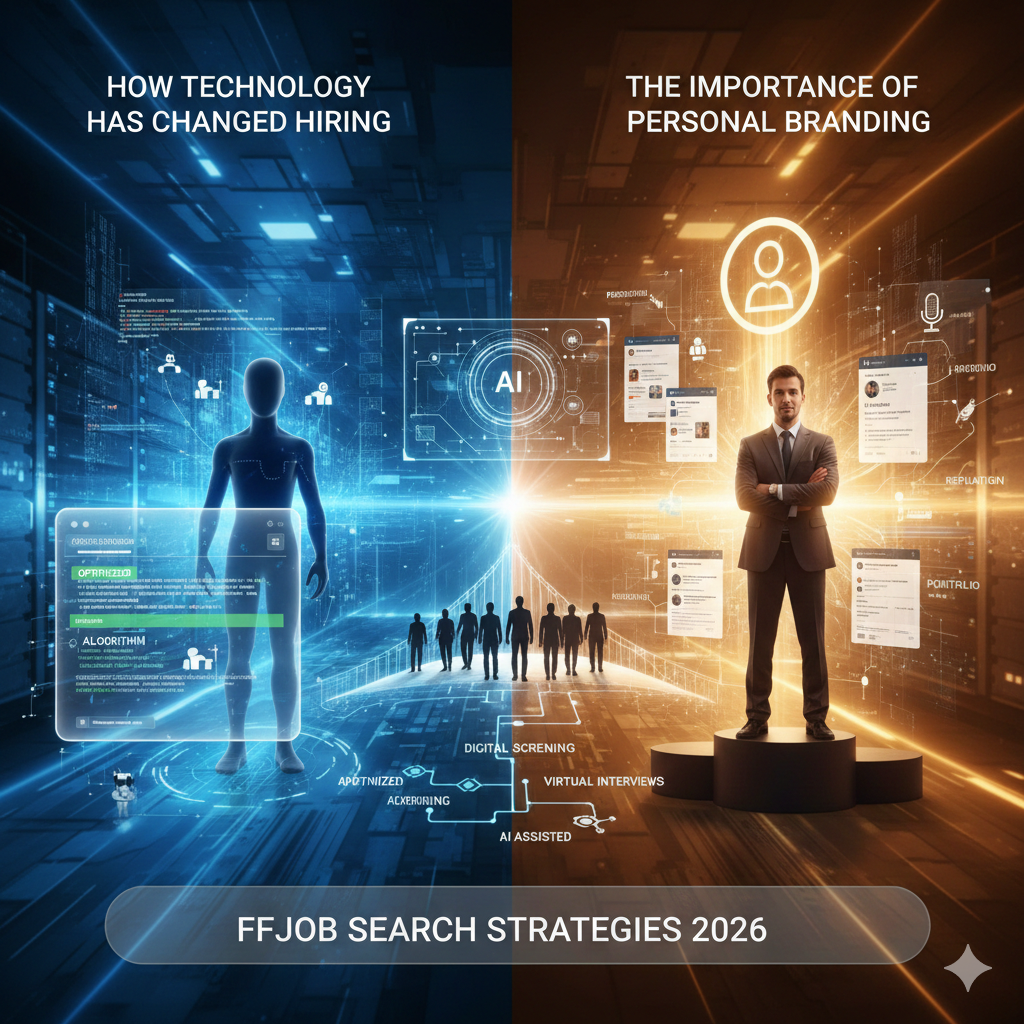
Technology fundamentally altered how companies find candidates and how job seekers must position themselves, requiring updated job search strategies that account for digital screening, virtual interviewing, and algorithm-driven matching. Applicant tracking systems scan resumes for keywords and qualifications before human review, meaning perfectly qualified candidates may never reach hiring managers if their applications aren’t optimized. Understanding ATS requirements represents foundational knowledge for effective modern job search strategies.
Simultaneously, artificial intelligence tools now assist both employers and candidates throughout the hiring process. Companies use AI for candidate sourcing, screening, and even initial interviews. Smart job seekers leverage AI for resume optimization, interview preparation, company research, and application customization. The most effective job search strategies in 2026 involve understanding and strategically using these technologies rather than fighting or ignoring them.
The Importance of Personal Branding
In increasingly competitive markets where hundreds of candidates apply for desirable positions, personal branding differentiates you from similarly qualified applicants. Your professional reputation, online presence, and perceived expertise influence whether recruiters contact you, how hiring managers evaluate your applications, and ultimately whether you receive offers. Strong personal branding represents one of the most powerful long-term job search strategies, creating opportunities that come to you rather than requiring constant active searching.
Personal branding extends across your LinkedIn profile, professional website or portfolio, social media presence, published content, speaking engagements, and reputation within professional communities. Cohesive, professional branding that clearly communicates your value proposition makes you memorable and attractive to employers seeking your expertise.
20 Proven Job Search Strategies for 2026
1. Optimize Your LinkedIn Profile Comprehensively
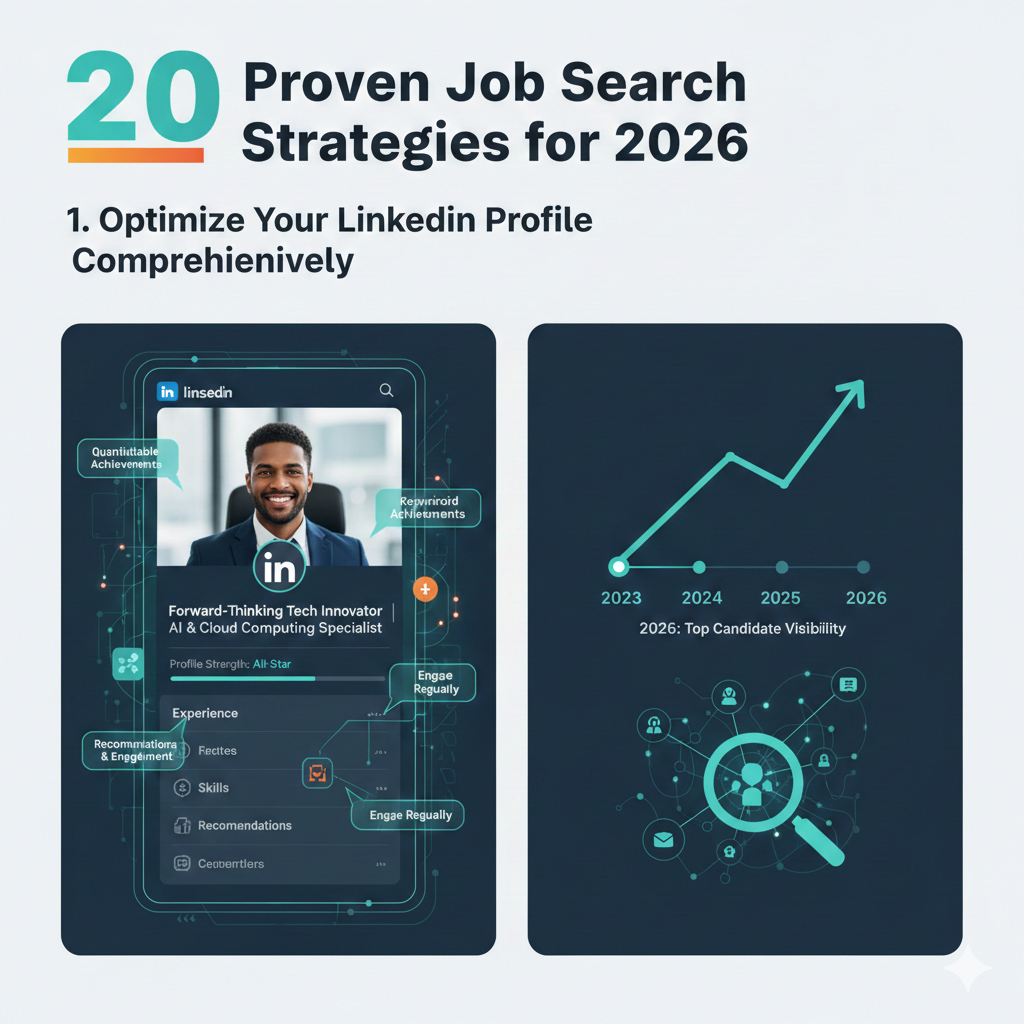
LinkedIn has become the primary platform for professional networking and recruitment, making profile optimization one of the most critical job search strategies for modern professionals. A complete, keyword-rich profile with professional photo, compelling headline, detailed experience section, skills endorsements, and recommendations dramatically increases your visibility to recruiters and hiring managers searching for candidates.
Beyond basic completion, strategic optimization involves using keywords from target job descriptions in your headline and summary, showcasing quantifiable achievements in experience sections, gathering recommendations from colleagues and managers, and engaging regularly with content to increase profile visibility. Your LinkedIn presence should position you as an active, engaged professional rather than a static profile that only updates during job searches.
Optimization Steps:
- Professional headshot and background image
- Keyword-rich headline (beyond just job title)
- Compelling summary highlighting key value propositions
- Detailed experience with achievement-focused bullets
- Complete skills section with endorsements
- Recommendations from managers and colleagues
- Regular engagement through posts and comments
- Custom URL for cleaner profile sharing
2. Leverage AI Tools for Application Customization
Artificial intelligence tools represent powerful allies in modern job search strategies, helping customize applications efficiently at scale. AI can analyze job descriptions to identify key requirements, suggest resume modifications emphasizing relevant experience, generate tailored cover letter drafts, and even optimize LinkedIn profiles for specific roles. Tools like ChatGPT, Resume Worded, and Jobscan enable rapid customization that would be prohibitively time-consuming manually.
However, effective use requires human oversight—AI-generated content needs personalization and verification for accuracy and authenticity. The most successful job search strategies combine AI efficiency with human judgment, using technology to accelerate customization while maintaining genuine voice and ensuring accuracy.
AI Application Tips:
- Use AI to identify keywords from job descriptions
- Generate first drafts of cover letters for customization
- Optimize resumes for ATS using AI analysis tools
- Research companies using AI-powered search
- Practice interview responses with AI coaching tools
- Verify all AI-generated content for accuracy
- Maintain authentic voice despite AI assistance
3. Build Strategic Professional Networks
Networking consistently ranks among the most effective job search strategies, with many positions filled through referrals and connections before public posting. Strategic networking involves cultivating genuine relationships with professionals in your target companies, industries, and roles—not just collecting contacts but building mutually beneficial relationships based on shared interests and value exchange.
Effective networking happens through industry events, professional associations, alumni groups, online communities, and informational interviews. The key is approaching networking as relationship building rather than transactional favor-seeking, offering value to your network, staying connected over time, and being helpful to others without immediate expectation of return.
Networking Strategies:
- Attend industry conferences and local meetups
- Join and actively participate in professional associations
- Engage authentically in online professional communities
- Request informational interviews with target company employees
- Reconnect with former colleagues and classmates
- Offer help and resources to your network
- Follow up consistently to maintain relationships
- Share valuable content and insights regularly
For networking resources and opportunities, explore: 👉 https://easynaukri4u.com/
4. Create a Compelling Personal Website or Portfolio
A professional website or online portfolio distinguishes you from candidates who rely solely on resumes and LinkedIn profiles. This represents one of the most effective job search strategies for demonstrating capabilities through actual work samples, showcasing personality and communication style, and providing additional context about your background and aspirations. For creative and technical fields, portfolios are often expected, but professionals in any field benefit from curated online presence.
Your website should include professional bio, detailed resume or CV, work samples or project case studies, testimonials or recommendations, contact information, and possibly blog demonstrating expertise. Keep design clean and professional, ensure mobile compatibility, and update regularly to reflect current work and capabilities.
Website Elements:
- Professional domain name (ideally your name)
- Clean, professional design with easy navigation
- Compelling bio and professional summary
- Detailed project case studies with results
- Downloadable resume or CV
- Contact information and social media links
- Blog or articles demonstrating expertise (optional)
- Testimonials and recommendations
5. Master the Art of Informational Interviews
Informational interviews—conversations with professionals about their careers, companies, and industries—serve multiple purposes as job search strategies. They provide insider knowledge about companies and roles, expand your network with people who may later refer you for positions, help you assess whether companies and roles align with your interests, and keep you top-of-mind when opportunities arise.
Request informational interviews thoughtfully, clearly stating you’re seeking advice rather than asking for jobs, come prepared with researched questions, respect the person’s time, follow up with thanks, and maintain the relationship over time. Done well, informational interviews often lead to referrals, advance notice about openings, or direct hiring conversations.
Informational Interview Process:
- Research the person and company thoroughly first
- Request 20-30 minute conversations
- Prepare thoughtful, specific questions
- Focus on learning rather than asking for jobs
- Take notes and show genuine interest
- Send thank-you notes within 24 hours
- Share useful information or connections when possible
- Maintain contact appropriately over time
6. Customize Every Application Meticulously
Generic applications represent the most common mistake in failed job search strategies. Hiring managers and ATS systems both favor applications clearly tailored to specific positions over mass-submitted identical materials. Customization involves adjusting your resume to emphasize most relevant experience, incorporating keywords from job descriptions, writing cover letters addressing specific company needs and role requirements, and demonstrating knowledge about the organization.
While time-intensive, customization dramatically improves success rates, meaning you can apply to fewer positions while achieving better results than spray-and-pray approaches. Quality over quantity defines effective modern job search strategies.
Customization Elements:
- Adjust professional summary for each role
- Reorder resume bullets prioritizing relevant achievements
- Incorporate job description keywords naturally
- Write specific cover letters addressing company needs
- Reference company initiatives or recent news
- Explain why this specific role interests you
- Demonstrate understanding of role requirements
- Align language and tone with company culture
7. Develop a Consistent Application Schedule
Treating job searching as a part-time job with consistent effort represents more effective job search strategies than sporadic intensive bursts. Establish regular schedules dedicating specific hours to searching, networking, applying, and following up. Consistency maintains momentum, demonstrates discipline, and ensures steady pipeline of opportunities rather than feast-or-famine cycles.
Track your activities—applications submitted, networking conversations, interviews scheduled—to monitor effort and identify what’s working. This data-driven approach allows adjusting job search strategies based on actual results rather than assumptions about effectiveness.
Schedule Components:
- Set specific job search hours daily or weekly
- Allocate time to different activities (searching, networking, applications)
- Track all activities in spreadsheet or CRM
- Review progress weekly and adjust strategies
- Maintain consistent effort rather than sporadic bursts
- Set weekly goals for activities and applications
- Schedule breaks to prevent burnout
- Celebrate milestones and small wins
8. Engage with Recruiters Strategically
Recruiters can accelerate job searches when relationships are managed strategically. These professionals have insider knowledge about openings, direct access to hiring managers, and incentive to place strong candidates. However, recruiters work for employers, not job seekers, so understanding this dynamic helps you engage effectively as part of comprehensive job search strategies.
Build relationships with recruiters specializing in your industry and function, be responsive when they reach out, clearly communicate your criteria and timeline, and maintain professionalism throughout interactions. Good relationships with recruiters provide access to opportunities not publicly posted while bad interactions can damage your reputation within recruiting networks.
Recruiter Engagement Tips:
- Identify recruiters specializing in your field
- Keep LinkedIn profile updated for recruiter searches
- Respond promptly to recruiter outreach
- Communicate clearly about interests and criteria
- Be honest about your situation and timeline
- Follow through on commitments and interviews
- Maintain relationships even when not actively searching
- Thank recruiters regardless of outcomes
For recruiter connections and opportunities, visit: 👉 https://easynaukri4u.com/
9. Prepare Thoroughly for Virtual Interviews
Virtual interviews have become standard, requiring specific preparation as critical job search strategies. Beyond researching companies and practicing responses, virtual interview preparation includes testing technology, optimizing your environment, mastering video presence, and managing the unique challenges of assessing chemistry and building rapport through screens.
Technical difficulties, poor lighting, distracting backgrounds, or awkward camera angles undermine even well-qualified candidates. Thorough preparation demonstrates professionalism while ensuring technical issues don’t derail opportunities.
Virtual Interview Preparation:
- Test technology (camera, microphone, internet) beforehand
- Ensure proper lighting and professional background
- Position camera at eye level
- Dress professionally even for virtual meetings
- Minimize potential interruptions and distractions
- Have backup plan if technology fails (phone numbers)
- Practice looking at camera to simulate eye contact
- Prepare notes out of camera view
- Close unnecessary applications to maximize bandwidth
10. Follow Up Consistently and Professionally
Strategic follow-up represents often-overlooked job search strategies that keep you top-of-mind and demonstrate genuine interest. After applications, send polite inquiry emails if you haven’t heard back within the stated timeline. After interviews, send thank-you emails within 24 hours referencing specific conversation points. After networking conversations, follow up with appreciation and relevant information or connections when possible.
However, balance persistence with respect—excessive contact becomes annoying rather than impressive. Follow company timelines, respect stated processes, and maintain professionalism even when frustrated by lack of response.
Follow-Up Best Practices:
- Send thank-you emails within 24 hours of interviews
- Reference specific conversation topics in follow-ups
- Reiterate interest and qualifications briefly
- Respect stated timelines before checking in
- Keep follow-ups brief and professional
- Add value when possible (relevant articles, connections)
- Know when to move on gracefully
- Maintain relationships even after rejections
11. Build Thought Leadership Through Content
Creating and sharing valuable content establishes you as a knowledgeable professional, one of the most powerful long-term job search strategies for attracting opportunities rather than constantly pursuing them. Writing articles about industry trends, sharing insights on LinkedIn, speaking at events, or contributing to industry publications builds visibility and credibility that attracts recruiters and hiring managers.
Thought leadership requires consistent effort over time but creates compounding returns as your reputation and network grow. Content creation positions you as an expert, provides conversation starters for networking, and demonstrates communication skills to potential employers.
Content Creation Strategies:
- Share industry insights on LinkedIn regularly
- Write articles for Medium or industry publications
- Comment thoughtfully on others’ content
- Speak at local meetups or virtual events
- Create video content if comfortable
- Share your perspective on industry news
- Teach others about your expertise
- Maintain consistent voice and perspective
12. Target Companies Strategically, Not Just Openings
Rather than only applying to posted positions, strategic job search strategies involve identifying target companies where you’d like to work and building relationships there even before specific openings appear. Research companies with missions, cultures, and opportunities aligning with your values and goals, then network with employees, follow company news, engage with their content, and express interest proactively.
Many positions are filled internally or through referrals before public posting. By building presence at target companies before openings exist, you position yourself to learn about opportunities early while having internal advocates when positions arise.
Company Targeting Process:
- Identify 10-20 target companies aligning with your goals
- Research company culture, values, and strategy
- Connect with employees on LinkedIn
- Request informational interviews
- Follow company social media and news
- Engage with company content meaningfully
- Visit locations or attend company events when possible
- Express interest proactively to HR or hiring managers
13. Optimize Applications for Applicant Tracking Systems
Understanding how to pass ATS screening represents essential job search strategies since approximately 75% of applications never reach human reviewers due to ATS filtering. These systems scan for keywords, evaluate formatting compatibility, and rank candidates based on apparent match to requirements. Optimizing for ATS involves using keywords from job descriptions naturally throughout your resume, using standard section headings, avoiding complex formatting that confuses parsing algorithms, and submitting in compatible formats.
However, balance ATS optimization with human readability—your resume must appeal to both systems and people. The goal is passing ATS screening so humans can review your strong, well-presented qualifications.
ATS Optimization Tips:
- Use keywords from job descriptions naturally
- Stick to standard section headings (Experience, Education, Skills)
- Avoid tables, graphics, and complex formatting
- Use standard fonts (Arial, Calibri, Times New Roman)
- Submit in requested format (.docx typically safer than PDF)
- Include both acronyms and spelled-out terms
- Avoid headers and footers
- Test readability by converting to plain text
14. Prepare Compelling Stories Using STAR Method
Behavioral interview questions dominate modern hiring processes, making preparation of compelling achievement stories crucial job search strategies. The STAR method (Situation, Task, Action, Result) provides frameworks for structured, memorable responses demonstrating your capabilities through specific examples rather than generic claims.
Prepare 8-10 detailed stories showcasing different competencies—leadership, problem-solving, teamwork, conflict resolution, innovation, and overcoming challenges. Practice delivering these concisely while remaining flexible to expand on aspects that interest interviewers.
STAR Story Preparation:
- Identify 8-10 significant professional experiences
- Structure each using STAR framework
- Include quantifiable results whenever possible
- Practice delivering stories in 1-2 minutes
- Prepare variations demonstrating different competencies
- Reflect on lessons learned from each experience
- Make stories genuine and specific
- Practice until delivery feels natural
For interview preparation resources, explore: 👉 https://easynaukri4u.com/
15. Leverage Employee Referral Programs
Employee referrals represent one of the highest-conversion job search strategies, with referred candidates significantly more likely to receive interviews and offers than external applicants. Companies prioritize referrals because employees typically recommend genuinely qualified people, reducing hiring risk while often shortening time-to-hire.
Identify connections at target companies and respectfully request referrals when appropriate opportunities exist. Make it easy by providing your resume, explaining your qualifications, and articulating why you’re interested. Most companies reward employees for successful referrals, making this mutually beneficial rather than one-sided asks.
Referral Strategies:
- Review connections at companies with interesting openings
- Reach out professionally to request referrals
- Make the ask easy by providing all needed information
- Explain your qualifications and genuine interest
- Respect if people decline to refer
- Thank people regardless of outcomes
- Keep them updated on process
- Reciprocate when you can help their networks
16. Maintain Professional Social Media Presence
Hiring managers increasingly review candidates’ social media presence, making online reputation management important job search strategies. While you needn’t eliminate personal social media entirely, ensure public profiles present professional images. Google yourself to see what employers find, adjust privacy settings to limit public visibility of personal content, and curate what remains publicly visible to reflect well professionally.
Consider separating professional and personal social media—LinkedIn for professional networking, private accounts for personal connections. What seems harmless to you might raise concerns for conservative employers, so when in doubt, make content private or remove it entirely.
Social Media Management:
- Google yourself to see what employers find
- Adjust privacy settings on personal accounts
- Review publicly visible photos and posts
- Remove potentially problematic content
- Keep professional platforms updated and active
- Maintain consistent professional image across platforms
- Consider separating personal and professional accounts
- Monitor tagged photos and posts about you
17. Develop a 30-60-90 Day Plan
Presenting a preliminary plan for your first three months represents advanced job search strategies that demonstrate initiative and strategic thinking. For final interviews, prepare frameworks outlining what you’d focus on in your first 30, 60, and 90 days—learning the organization, building relationships, understanding challenges, and beginning to deliver value.
This preparation shows you’ve thought seriously about the role, understand it requires learning before impact, and have frameworks for effective onboarding. It also provides concrete discussion points about the role, revealing additional information about expectations and priorities.
30-60-90 Day Plan Elements:
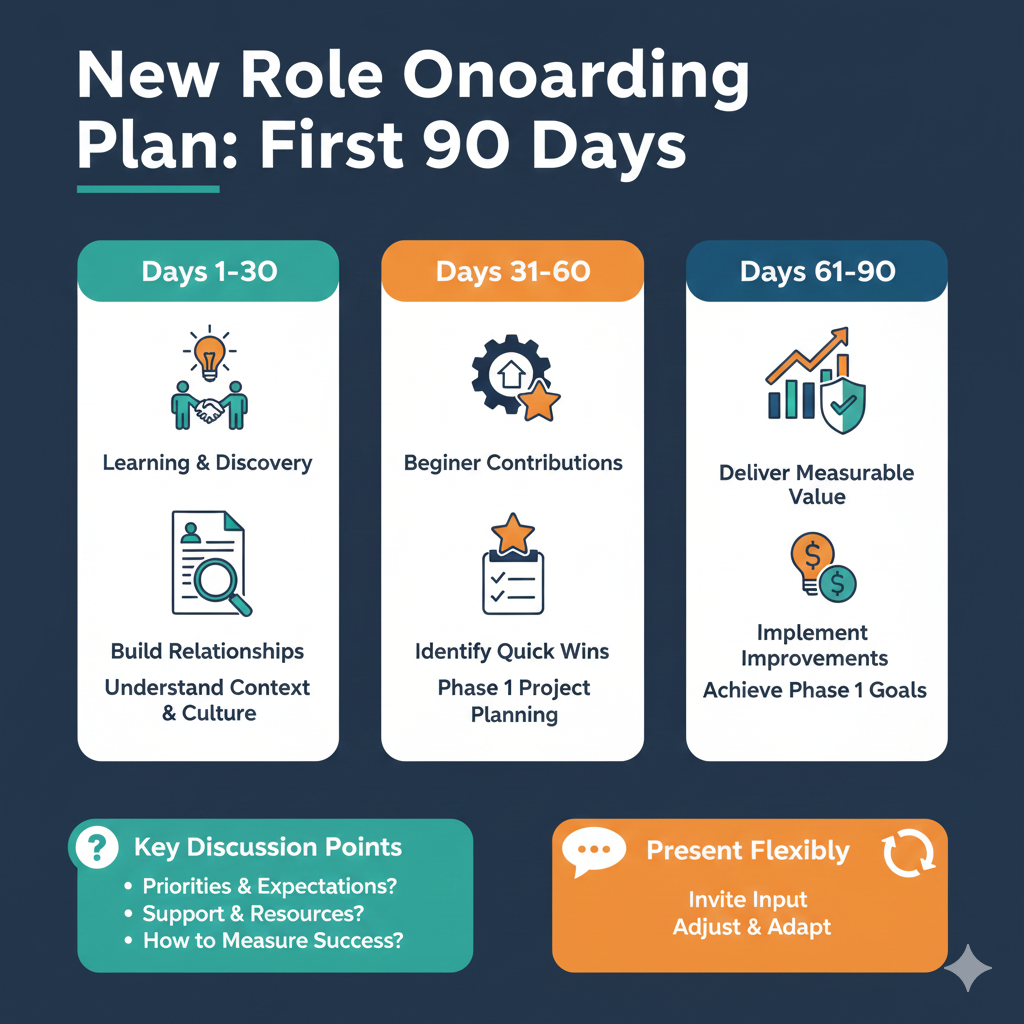
- First 30 days: Learning, relationship building, understanding context
- Days 31-60: Beginning contributions, identifying quick wins
- Days 61-90: Delivering measurable value, implementing improvements
- Questions to ask about priorities and expectations
- Areas where you’ll need support or resources
- How you’ll measure success
- Present plan flexibly, inviting input and adjustment
18. Negotiate Strategically and Confidently
Effective salary negotiation represents crucial job search strategies for maximizing compensation, yet many candidates accept first offers without discussion or negotiate poorly. Research typical compensation for your role, experience, and location before interviews so you’re prepared for salary discussions. When offers come, express enthusiasm while requesting time to review thoroughly.
Negotiate not just base salary but total compensation—bonuses, equity, benefits, professional development budgets, vacation time, remote work flexibility, and signing bonuses. Approach negotiations as collaborative problem-solving rather than adversarial, and be prepared to walk away from offers significantly below your worth.
Negotiation Strategies:
- Research salary ranges thoroughly before discussions
- Delay specific salary conversations until offer stage
- Express enthusiasm for role before negotiating
- Request time to review offers carefully
- Consider total compensation, not just base salary
- Provide reasoning for requested adjustments
- Remain professional and collaborative
- Know your walk-away point
- Get final agreements in writing
19. Learn from Rejections and Iterate
Treating rejections as learning opportunities represents resilient job search strategies that improve your approach over time. When comfortable, request feedback about why you weren’t selected—not all companies provide this, but when they do, insights help you improve. Reflect on your interviews identifying what went well and what could improve.
Keep records of applications, interviews, and outcomes to identify patterns. If you’re getting interviews but no offers, interview skills need work. If you’re not getting interviews despite many applications, your resume or application strategy needs adjustment. Data reveals where to focus improvement efforts.
Learning from Rejection:
- Request feedback when appropriate
- Reflect honestly on interview performance
- Identify patterns in rejections
- Adjust strategies based on patterns observed
- Practice interview skills continuously
- Refine resume based on what’s not working
- Don’t take rejections personally
- Maintain perspective—fit matters for both parties
For career coaching and improvement resources, visit: 👉 https://easynaukri4u.com/
20. Maintain Long-Term Perspective and Self-Care
Job searching is emotionally taxing, making self-care and perspective essential job search strategies for sustained effectiveness. Set realistic timelines understanding that searches typically take 3-6 months or longer for senior roles. Maintain routines supporting physical and mental health—exercise, adequate sleep, social connections, and stress management practices.
Take breaks when needed to prevent burnout. Celebrate small wins—good networking conversations, interview invitations, positive feedback—rather than focusing only on the final offer. Remember that job searching is full of factors outside your control, so focus on what you can control: your effort, preparation, attitude, and continuous improvement.
Self-Care Strategies:
- Set realistic timeline expectations
- Maintain exercise and health routines
- Stay connected with supportive people
- Take breaks when feeling overwhelmed
- Celebrate small progress and wins
- Practice stress management techniques
- Maintain hobbies and interests outside job search
- Remember that rejections often reflect fit, not worth
Common Job Search Mistakes to Avoid
Relying Exclusively on Online Applications
While online applications are necessary job search strategies, relying exclusively on this approach yields poor results. Most positions receive hundreds of applications, making odds of standing out through applications alone quite low. The most successful searches combine applications with networking, direct outreach, recruiter relationships, and personal branding that creates inbound opportunities.
Diversify your approach across multiple channels rather than putting all effort into application submission. Networking and referrals typically generate far better results per hour invested than mass applications.
Applying to Inappropriate Positions
Desperation sometimes drives job seekers to apply for positions they’re clearly unqualified for or uninterested in, wasting everyone’s time and potentially damaging reputation. Effective job search strategies involve strategic targeting of realistic opportunities where you meet most requirements and have genuine interest.
Focus applications on positions where you’re qualified and interested, customizing each thoroughly rather than mass-applying to everything remotely relevant. Quality and fit matter more than application quantity.
Neglecting to Research Companies
Applying without understanding companies, their cultures, challenges, and strategic directions represents common mistakes undermining otherwise strong job search strategies. Superficial research shows in applications and interviews, suggesting lack of genuine interest or initiative.
Invest time researching each target company thoroughly—reading their website, following news coverage, reviewing employee reviews, understanding competitors and market position. This knowledge improves application customization and interview performance while helping you assess genuine fit.
Poor Interview Preparation
Many candidates hurt their chances through inadequate interview preparation despite strong qualifications and applications. Effective job search strategies include thorough preparation—researching companies and interviewers, preparing STAR stories, practicing common questions, developing thoughtful questions to ask, and planning professional presentation.
Treat interview preparation as serious project requiring dedicated time and effort. The difference between adequate and exceptional preparation often determines which similarly qualified candidate receives offers.
Failing to Follow Up
Neglecting follow-up represents missed opportunities in otherwise sound job search strategies. After interviews, networking conversations, or applications, appropriate follow-up keeps you top-of-mind, demonstrates professionalism and genuine interest, and sometimes makes the difference in close decisions between final candidates.
However, balance follow-up with respect for stated processes and timelines. Excessive contact becomes annoying rather than impressive, so follow up appropriately without pestering.
Industry-Specific Job Search Strategies
Technology Sector
Technology job search strategies should emphasize technical portfolios (GitHub profiles, project demonstrations, technical blogs) alongside traditional application materials. Many tech companies use technical assessments and coding challenges, so practicing on platforms like LeetCode or HackerRank prepares you for these evaluations.
Networking in tech communities—attending meetups, contributing to open source, participating in hackathons—builds visibility while demonstrating passion beyond employment. Recruiters actively source from these communities, making participation valuable for passive and active job seekers.
Healthcare Industry
Healthcare job search strategies must account for licensing, credential verification, and specialized requirements varying by role and location. Ensure all certifications and licenses are current and documented clearly in applications. Healthcare networking often happens through professional associations, continuing education events, and clinical settings.
References matter significantly in healthcare hiring, so cultivate strong relationships with colleagues, supervisors, and mentors who can speak to your clinical competence and professionalism.
Creative Industries
Portfolio quality drives creative industry job search strategies more than resume details. Invest heavily in curating strong portfolios showcasing your best work, including diverse projects demonstrating range and versatility. Case studies explaining creative process and results achieved strengthen portfolios beyond just showing finished work.
Networking in creative industries often happens through portfolio reviews, industry events, online communities, and collaborative projects. Building reputation through quality work and professional relationships generates opportunities more effectively than traditional applications.
Finance and Business
Finance and business job search strategies benefit from emphasizing quantifiable achievements demonstrating business impact—revenue generated, costs saved, efficiency improvements, or growth metrics. Professional certifications (CFA, CPA, MBA) carry significant weight, so highlight these prominently.
Business networking through alumni associations, professional organizations, and industry events remains particularly valuable. Many positions are filled through relationships and referrals before public posting, making relationship building essential.
Adapting Strategies for Different Career Stages
Entry-Level Job Seekers
Early-career job search strategies should emphasize potential, learning capacity, and relevant experiences even if not formal employment—internships, academic projects, volunteer work, or extracurricular leadership. Leverage university career services, alumni networks, and campus recruiting programs offering structured pathways into organizations.
Build foundational professional networks through LinkedIn connections with classmates, professors, and professionals you meet. These relationships compound value throughout your career as your network matures professionally.
Mid-Career Professionals
Mid-career job search strategies should leverage established networks, industry reputation, and track record of achievements. Emphasize career progression, increasing responsibility, and demonstrated impact. Consider both lateral moves developing new capabilities and advancement opportunities building on current expertise.
Executive recruiters become more relevant for mid-career searches, particularly for senior positions not publicly posted. Building relationships with recruiters specializing in your industry and function opens doors to exclusive opportunities.
Career Changers
Career transition job search strategies must bridge previous experience to new fields through emphasis on transferable skills, relevant projects or volunteer work in target industries, and compelling narratives explaining your transition. Address the transition proactively in applications and interviews rather than hoping employers won’t notice or question the shift.
Informational interviews prove particularly valuable for career changers, providing insider perspectives on breaking into new fields while building networks in unfamiliar industries where you lack established connections.
Technology Tools for Job Search Success
AI-Powered Job Search Assistants
Artificial intelligence tools streamline various aspects of job search strategies—resume optimization, cover letter generation, interview preparation, and company research. Tools like Resume Worded analyze resumes against ATS requirements, ChatGPT drafts customized cover letters, and interview preparation platforms provide AI-powered practice with feedback.
However, use AI as assistant rather than replacement for human judgment. AI-generated content requires personalization and verification before use. The most effective approach combines AI efficiency with human authenticity.
Job Search Organization Tools
Spreadsheets, CRM systems, or specialized job search apps help organize complex job search strategies involving dozens of applications, networking contacts, and follow-up tasks. Track companies, positions applied for, application dates, follow-up deadlines, networking contacts, and outcomes to maintain organization while identifying what’s working.
Organization prevents embarrassing mistakes like forgetting company names during interviews or missing important follow-up deadlines while providing data revealing which job search strategies yield best results.
Professional Learning Platforms
Online learning platforms support job search strategies by enabling skill development that strengthens candidacy. Completing relevant certifications or courses during job searches demonstrates continued learning while addressing skill gaps that might hinder competitiveness.
List relevant recent courses on resumes and LinkedIn profiles, particularly those directly related to target roles. This shows initiative and commitment to professional development that appeals to employers.
Conclusion: Your Job Search Success Plan
Effective job search strategies in 2026 require combining traditional fundamentals—strong resumes, thorough preparation, professional networking—with modern approaches leveraging technology, personal branding, and strategic positioning. The twenty strategies outlined in this guide provide comprehensive frameworks for navigating today’s complex employment landscape, but success ultimately depends on consistent execution, continuous learning from experience, and maintaining resilience through inevitable setbacks.
Your job search represents a temporary project with defined objectives and timelines. Approaching it with project management discipline—setting goals, tracking activities, measuring results, adjusting strategies based on data—dramatically improves effectiveness compared to haphazard, reactive approaches. The most successful job seekers treat searching as part-time jobs requiring dedicated time, consistent effort, and professional execution.
Remember that job search strategies should align with your unique circumstances, career goals, and personal strengths. Not every strategy will work equally well for every person. Experiment with different approaches, identify what generates best results for your situation, then double down on effective tactics while adjusting or abandoning what doesn’t work.
Job searching tests patience, resilience, and self-confidence through rejection and uncertainty. Maintain perspective that rejections often reflect fit rather than worth, that timelines usually extend beyond hopes, and that the right opportunity will emerge through persistent, strategic effort. Take care of yourself throughout the process, celebrate small wins, and maintain connections with supportive people who remind you of your value.
The employment landscape will continue evolving, requiring ongoing adaptation of job search strategies to changing technologies, employer expectations, and market conditions. The fundamental principles—building genuine relationships, clearly communicating value, thoroughly preparing, and maintaining professionalism—remain constant even as specific tactics evolve. By mastering both timeless fundamentals and contemporary approaches, you position yourself for success in job searches today and throughout your career.
Take action today by selecting 3-5 job search strategies from this guide that you’re not currently using effectively. Commit to implementing them consistently over the next month, tracking results and adjusting as needed. Whether that means optimizing your LinkedIn profile, requesting three informational interviews, preparing STAR stories, or developing a target company list, forward movement creates momentum that transforms possibilities into opportunities.
For comprehensive job search resources, current opportunities, and ongoing career support, visit: 👉 https://easynaukri4u.com/
Your next great career opportunity awaits, and these job search strategies provide the roadmap for finding it efficiently and effectively. Success comes from strategic planning, consistent execution, continuous learning, and maintained resilience. Begin implementing these proven approaches today, and watch as doors open to opportunities aligned with your professional aspirations and career goals.