Career Change Guide: Transform Your Professional Path in 2026
BlogIntroduction
Making a career change represents one of the most significant professional decisions you’ll face, requiring courage, planning, and strategic execution. As we approach 2026, the evolving job market presents unprecedented opportunities for professionals seeking meaningful transitions. This comprehensive guide provides actionable strategies for navigating your career change successfully, addressing challenges, and positioning yourself for long-term satisfaction in your new field.
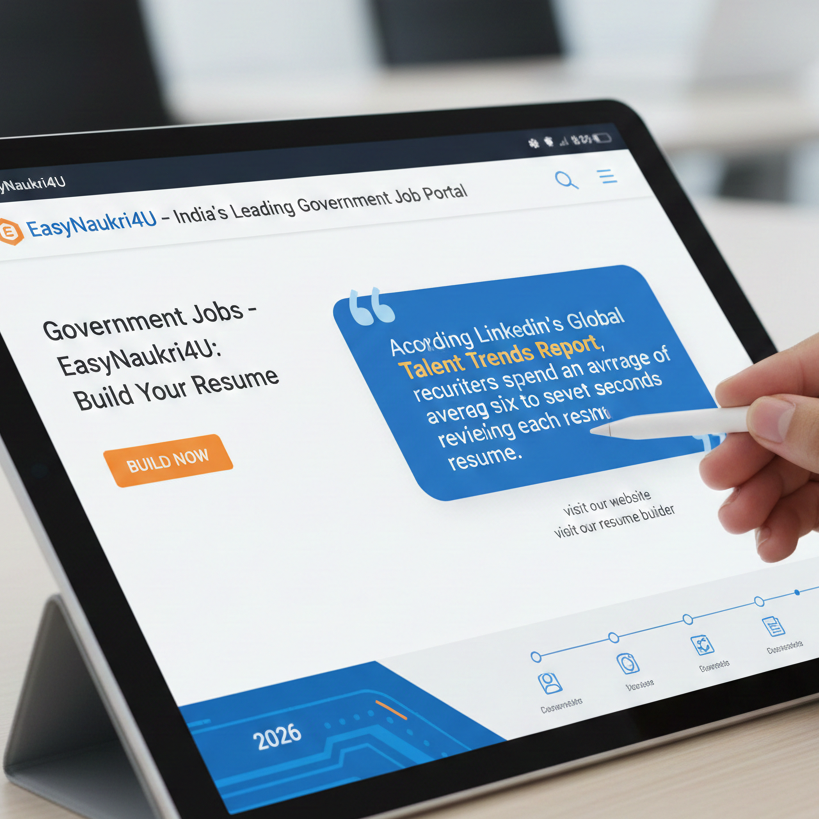
visit our website – EasyNaukri4U – India’s Leading Government Job Portal
visit our resume builder – Government Jobs - EasyNaukri4U
“According to LinkedIn’s Global Talent Trends Report, recruiters spend an average of six to seven seconds reviewing each resume.”
Understanding the Modern Career Change Landscape
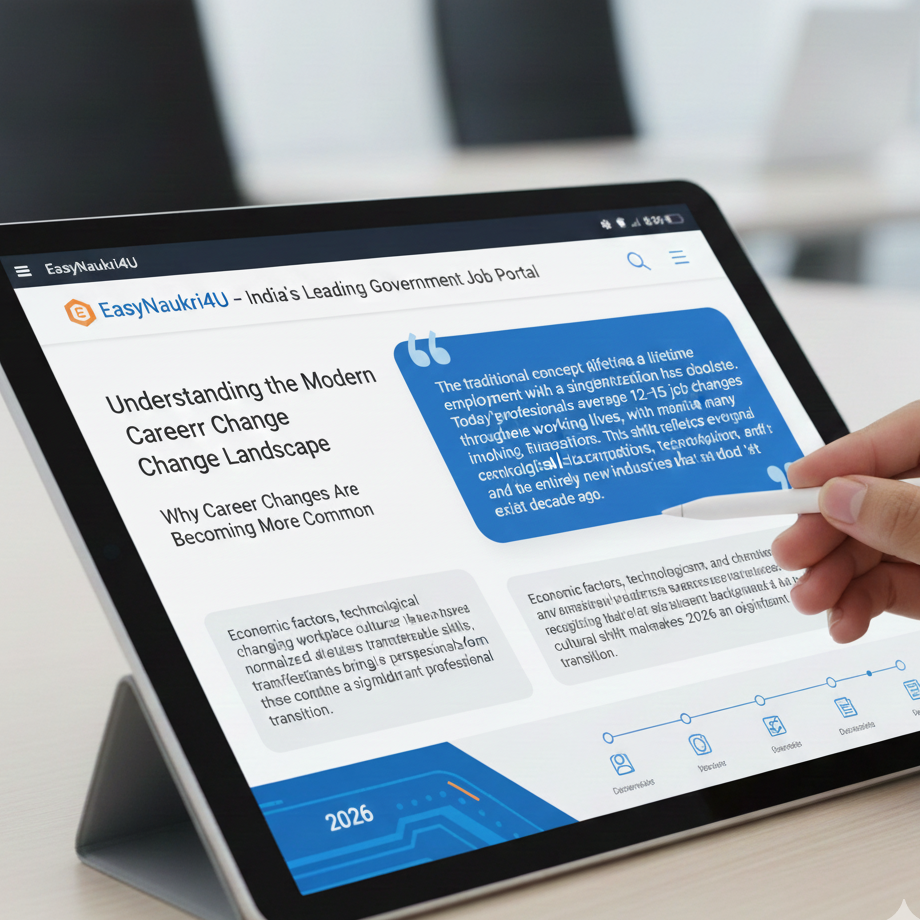
Why Career Changes Are Becoming More Common
The traditional concept of lifetime employment with a single organization has become obsolete. Today’s professionals average 12-15 job changes throughout their working lives, with many involving complete career change transitions. This shift reflects evolving personal priorities, technological disruption, and the emergence of entirely new industries that didn’t exist a decade ago.
Economic factors, technological advancement, and changing workplace cultures have normalized the career change process. Organizations increasingly value diverse experiences and transferable skills, recognizing that professionals from different backgrounds bring fresh perspectives and innovative solutions. This cultural shift makes 2026 an opportune time for those considering a significant professional transition.
The Psychology of Career Transition
Understanding the emotional and psychological aspects of a career change helps you navigate the journey more effectively. Feelings of uncertainty, excitement, fear, and anticipation are normal parts of the transition process. Recognizing these emotions as temporary and manageable helps maintain momentum during challenging phases of your transformation.
1. Identifying Your Motivation for Career Change

Conducting Honest Self-Assessment
Before embarking on a career change, examine your motivations thoroughly. Are you seeking better work-life balance, pursuing passion, escaping toxic environments, or responding to industry decline? Understanding your drivers helps ensure your transition addresses root causes rather than symptoms of professional dissatisfaction.
Create a comprehensive list of what you want to gain from your career change and what you’re willing to sacrifice. Consider factors including salary adjustments, learning curves, geographical flexibility, and timeline expectations. This clarity prevents hasty decisions and guides strategic planning throughout your transition journey.
Exploring Your Values and Priorities
Your career change should align with personal values and life priorities. Assess what matters most: creativity, stability, impact, flexibility, or growth potential. Understanding these core values ensures your new career path provides long-term satisfaction beyond initial excitement.
Conduct values assessment exercises to identify non-negotiables in your professional life. Consider how different careers align with these values and which compromises you’re willing to make. This self-knowledge becomes your compass during the career change process, helping navigate difficult decisions and maintain focus.
2. Researching Potential Career Paths
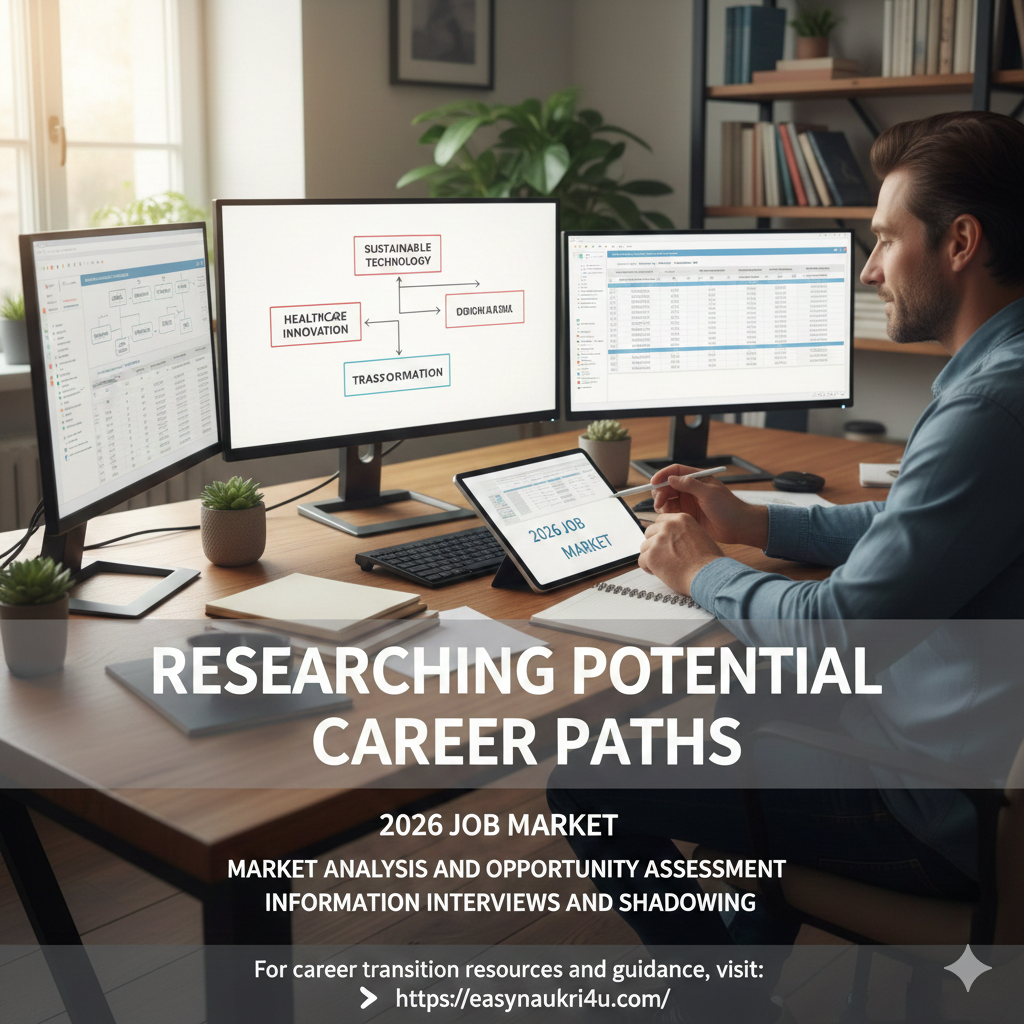
Market Analysis and Opportunity Assessment
Successful career change requires thorough research into target industries and roles. Analyze growth projections, skill requirements, compensation ranges, and entry barriers for potential careers. Understanding market dynamics helps identify realistic opportunities and prepare effectively for your transition.
Explore emerging fields that leverage your existing skills while offering growth potential. The 2026 job market will favor professionals in sustainable technology, healthcare innovation, and digital transformation. Research which careers within these sectors align with your interests and capabilities for strategic positioning.
For career transition resources and guidance, visit:
👉 https://easynaukri4u.com/
Information Interviews and Shadowing
Connect with professionals currently working in your target field to gain insider perspectives on daily responsibilities, challenges, and rewards. These informational interviews provide realistic expectations for your career change and help identify preparation requirements. Most professionals willingly share experiences with genuine career seekers.
Request shadowing opportunities or volunteer positions that provide firsthand exposure to your desired career. This practical experience validates your interest and provides valuable insights for your transition strategy. Document observations and questions arising from these experiences to guide further preparation.
3. Skills Gap Analysis and Development
Mapping Transferable Skills
Identify skills from your current career that transfer to your target field. Most professionals underestimate their transferable competencies, focusing only on industry-specific knowledge. Leadership, project management, communication, and problem-solving abilities apply across industries, providing foundation for your career change.
Create detailed skill inventories documenting both technical and soft skills. Map these against requirements for target positions, identifying direct applications and creative connections. This exercise builds confidence and helps articulate your value proposition despite lacking traditional background.
Strategic Skill Acquisition
Once you’ve identified skill gaps, develop targeted learning plans addressing deficiencies. Prioritize skills essential for entry into your new field while leveraging existing strengths. Your career change strategy should balance quick wins with long-term capability building.
Explore various learning modalities including online courses, bootcamps, certifications, and degree programs. Consider time and financial investments required for different options. Many successful career changers combine self-directed learning with formal education to accelerate their transition timeline.
4. Financial Planning for Career Transition
Building Your Transition Fund
A career change often involves temporary income reduction or education expenses. Build financial reserves covering 6-12 months of living expenses plus transition costs. This buffer reduces pressure to accept unsuitable positions and provides flexibility during your career pivot.
Calculate realistic transition costs including education, certifications, networking events, and potential relocation. Factor in reduced income during learning phases or entry-level positions. Understanding financial requirements helps set realistic timelines and make informed decisions throughout your journey.
Managing Income During Transition
Explore strategies for maintaining income while preparing for your career change. This might include freelancing, part-time work, or gradual transition through hybrid roles. Many professionals successfully manage career transitions while maintaining financial stability through creative income solutions.
Consider whether your current employer offers education support or transition assistance programs. Some organizations provide sabbaticals, flexible schedules, or tuition reimbursement that facilitate career development. Leveraging these resources can significantly ease the financial burden of change.
5. Building Your New Professional Identity
Personal Branding for Career Changers
Crafting a compelling narrative explaining your career change becomes essential for gaining credibility in your new field. Develop clear, positive messaging about your transition motivation and unique value proposition. Avoid negative commentary about previous careers while emphasizing growth and purpose.
Update your professional profiles, resume, and online presence to reflect your career transition. Highlight transferable skills, relevant projects, and new competencies acquired during preparation. Your personal brand should bridge past experience with future aspirations coherently.
Networking in Your New Field
Building professional networks in unfamiliar industries requires intentional effort and strategic approach. Attend industry events, join professional associations, and participate in online communities relevant to your target career. These connections provide insights, opportunities, and support during your transition.
Leverage LinkedIn strategically to connect with professionals in your target field. Share content demonstrating your knowledge and enthusiasm for the new industry. Engage thoughtfully with others’ posts to build visibility and establish your presence before formally making the switch.
6. Gaining Experience and Credibility
Strategic Volunteering and Projects
Gain practical experience in your new field through volunteer work, freelance projects, or personal initiatives. These opportunities provide portfolio pieces, references, and confidence while demonstrating commitment to your career change. Many employers value initiative and practical experience over formal credentials.
Create projects showcasing skills relevant to your target career. Whether building websites, conducting research, or organizing events, tangible demonstrations of capability strengthen your candidacy. Document these projects thoroughly for use in applications and interviews.
Certifications and Credentials
Identify certifications that provide credibility in your new field without requiring extensive time or financial investment. Many industries offer entry-level certifications that signal competence and commitment. These credentials can differentiate you from other career changers lacking formal background.
Research which certifications carry weight with employers in your target industry. Prioritize those offering immediate credibility while planning for advanced credentials as your career progresses. Balance credential acquisition with practical experience for optimal positioning.
7. Job Search Strategies for Career Changers
Tailoring Applications Effectively
Your application materials must address the obvious question: why should employers hire someone without traditional background? Frame your career change as strategic evolution bringing unique perspectives and valuable diverse experience. Emphasize transferable skills while demonstrating industry knowledge.
Customize every application extensively, drawing explicit connections between past experience and job requirements. Use industry terminology appropriately while maintaining authenticity. Your cover letter should proactively address the career transition, positioning it as an asset rather than liability.
To explore more career transition resources, visit:
👉 https://easynaukri4u.com/
Targeting the Right Opportunities
Focus job search efforts on organizations and roles conducive to career changers. Smaller companies, startups, and growing organizations often value diverse backgrounds over traditional experience. Positions emphasizing soft skills or combining multiple disciplines favor professionals making transitions.
Consider transitional roles that bridge current and target careers. These stepping-stone positions provide relevant experience while leveraging existing expertise. Many successful career changers progress through intermediate roles rather than making dramatic leaps immediately.
8. Interview Preparation for Career Changers
Addressing the Career Change Question
Prepare compelling responses explaining your career change decision positively and confidently. Focus on pull factors drawing you toward the new field rather than push factors driving you away from previous career. Demonstrate thorough research and genuine enthusiasm for the new direction.
Practice articulating how previous experience provides unique advantages in the new role. Prepare specific examples demonstrating transferable skills and relevant accomplishments. Show understanding of industry challenges and how your diverse background offers innovative solutions.
Demonstrating Commitment and Capability
Employers may question your commitment or ability to succeed without traditional background. Counter these concerns by highlighting preparation efforts, relevant projects, and continuous learning initiatives. Your investment in the transition demonstrates serious commitment beyond casual interest.
Prepare portfolio materials showcasing relevant work, even from volunteer or personal projects. Demonstrate industry knowledge through thoughtful questions and insights during interviews. Your preparation and enthusiasm can overcome experience gaps when presented effectively.
9. Managing the Emotional Journey
Dealing with Uncertainty and Doubt
The career change process inevitably includes moments of doubt and uncertainty. Prepare for emotional challenges by building support systems and maintaining perspective. Remember that discomfort often signals growth and that uncertainty is temporary.
Develop coping strategies for managing anxiety during transition periods. This might include mindfulness practices, regular exercise, or professional counseling. Maintaining mental health during your journey ensures sustained energy and positive outlook despite challenges.
Celebrating Small Victories
Acknowledge progress throughout your career change journey rather than waiting for ultimate success. Celebrate completed courses, new connections, and small wins that move you toward your goal. This positive reinforcement maintains motivation during lengthy transition processes.
Document your journey through journaling or blogging, creating a record of growth and learning. This documentation provides perspective during difficult moments and valuable insights for others considering similar transitions. Sharing your experience can also expand your network and establish thought leadership.
10. Long-term Success in Your New Career
Continuous Learning and Adaptation
Successfully completing a career change marks the beginning rather than end of your learning journey. Commit to continuous skill development and industry knowledge acquisition. Your unique perspective as a career changer provides advantages if paired with ongoing professional development.
Stay current with industry trends, emerging technologies, and evolving best practices in your new field. Join professional associations, attend conferences, and pursue advanced certifications as your career progresses. Maintaining learning momentum ensures long-term success beyond initial transition.
Leveraging Your Unique Background
Your previous career experience becomes a differentiator rather than liability once established in your new field. Find ways to leverage unique insights and cross-industry knowledge for innovative solutions. Many breakthrough innovations come from professionals applying concepts from unrelated fields.
Position yourself as a bridge between industries or departments, translating concepts and facilitating collaboration. Your diverse background enables you to see opportunities and connections others might miss. This unique value proposition can accelerate career advancement in your new field.
Common Career Change Mistakes to Avoid
Rushing the Process
Impatience can lead to poor decisions during career change planning. Avoid making dramatic changes without adequate preparation or research. While momentum is important, strategic patience ensures better outcomes than hasty transitions.
Set realistic timelines acknowledging that significant career transitions typically require 12-24 months of preparation. Breaking the journey into phases with specific milestones maintains progress while preventing overwhelming or premature moves.
Neglecting Financial Preparation
Underestimating financial requirements for career change creates unnecessary stress and may force premature decisions. Build adequate reserves before making dramatic moves. Consider gradual transitions that maintain income stability while building new career foundations.
Industry-Specific Career Change Considerations
Technology Sector Transitions
The technology industry welcomes career changers who demonstrate technical aptitude and continuous learning mindset. Coding bootcamps, online courses, and project portfolios can substitute for formal computer science degrees. Focus on building demonstrable skills through practical projects rather than accumulating credentials.
Success stories abound of professionals transitioning from teaching, finance, or healthcare into technology roles. The industry values problem-solving abilities and logical thinking, which transfer from many fields. Your unique background might provide advantages in specialized areas like edtech, fintech, or healthtech.
Healthcare Career Transitions
Healthcare offers numerous entry points for career changers, from administrative roles to clinical positions requiring additional training. Many healthcare careers offer accelerated programs for career changers, recognizing the value of life experience and professional maturity.
Research specific requirements for desired healthcare roles, as many require licenses or certifications. Consider starting in support roles while pursuing necessary credentials. The growing healthcare industry provides stability and purpose for professionals seeking meaningful second careers.
Creative Industry Transitions
Creative fields often value portfolios over credentials, making them accessible for career changers with talent and dedication. Build your portfolio through personal projects, freelance work, or reimagining problems from your previous career through creative lens.
Leverage unique perspectives from your previous career as creative inspiration. Many successful creative professionals transition from corporate backgrounds, bringing business acumen that purely creative individuals might lack. This combination of creativity and practical experience provides competitive advantages.
Future-Proofing Your Career Change
Anticipating Future Trends
Consider long-term viability when selecting your new career path. Research automation risks, industry growth projections, and emerging opportunities within target fields. Your career change should position you for sustained success rather than temporary solutions.
Focus on developing skills that remain valuable regardless of technological change. Critical thinking, creativity, emotional intelligence, and complex problem-solving resist automation. Combine these human skills with technical competencies for optimal career resilience.
Building Resilience for Future Changes
Your current career change might not be your last. Develop meta-skills enabling future transitions if needed. Learning how to learn, building diverse networks, and maintaining financial flexibility prepare you for continued career evolution.
Document lessons learned during your current transition for future reference. The skills developed during one career change—resilience, adaptability, strategic planning—serve you throughout your professional life. View career change as capability rather than one-time event.
For comprehensive career change resources and support, visit:
👉 https://easynaukri4u.com/
Conclusion
Pursuing a career change in 2026 offers exciting opportunities for professional reinvention and personal growth. While the journey presents challenges, strategic planning and persistent effort lead to successful transitions. The strategies outlined in this guide provide roadmap for navigating your career transformation effectively.
Remember that career change is increasingly common and accepted in modern professional environments. Your diverse experience and fresh perspective can become significant advantages when positioned correctly. Trust the process, maintain patience, and celebrate progress throughout your journey.
Take action today by assessing your motivation, researching opportunities, and beginning skill development for your target career. Whether planning immediate change or future transition, starting preparation now positions you for success. Your career change journey begins with a single step—make that step today and transform your professional future.