12 Best Remote Work Jobs in 2024: Complete Guide to Working From Home
BlogIntroduction: The Remote Work Revolution
The landscape of professional employment has undergone a dramatic transformation, What was once considered a rare perk offered by progressive companies has evolved into a mainstream employment model embraced across industries worldwide.
visit our website – EasyNaukri4U – India’s Leading Government Job Portal
visit our resume builder – Government Jobs - EasyNaukri4U
“According to LinkedIn’s Global Talent Trends Report, recruiters spend an average of six to seven seconds reviewing each resume.”
For job seekers and professionals considering career transitions, remote work presents unprecedented opportunities for flexibility, work-life balance, and geographic freedom. Whether you’re a parent seeking schedule flexibility, a digital nomad craving location independence, or simply someone tired of daily commutes,
examining salary ranges, required skills, career growth potential, and strategies for successfully transitioning to remote employment. We’ll also address common challenges, and discuss how to thrive in virtual work environments. Understanding these opportunities and how to pursue them effectively can transform your professional life, offering freedom and flexibility while maintaining—or even enhancing—your career trajectory.
The revolution represents more than just a temporary trend or pandemic-driven necessity. It reflects fundamental shifts in organizational thinking, technological capabilities, and employee expectations that will continue shaping the future of work. Professionals who understand how to navigate this landscape position themselves advantageously for long-term career success and personal fulfillment.
For the latest remote job opportunities and career resources, visit: 👉 https://easynaukri4u.com/
Understanding the Remote Work Landscape
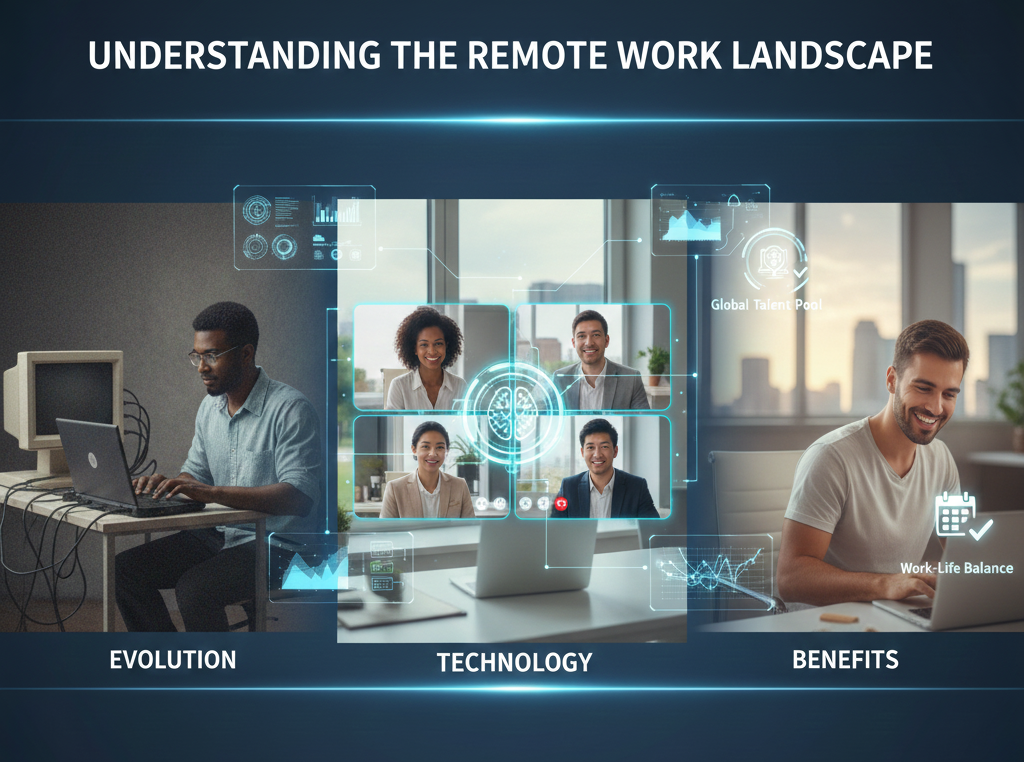
The Evolution of Remote Employment
Remote work has evolved significantly from its early days when it primarily meant occasional work-from-home arrangements or freelance gigs. Today’s encompasses full-time positions with established companies, remote-first startups, hybrid arrangements, and global opportunities that weren’t imaginable a decade ago. Technological advancements in communication platforms, project management tools, and cloud computing have made seamless virtual collaboration not just possible but often preferable to traditional office settings.
The shift toward reflects changing employee priorities and employer recognition that talent isn’t limited by geography. Companies embracing remote employment access global talent pools, reduce overhead costs, and often see improved employee satisfaction and retention. For workers, eliminates commute time and expenses, enables location flexibility, and facilitates better work-life integration.
Benefits of Remote Work
Choosing offers numerous advantages beyond the obvious elimination of commuting. Professionals report increased productivity due to fewer office distractions, greater autonomy over work environments and schedules, and improved mental health from better work-life balance. Financial benefits include savings on transportation, professional wardrobes, and daily meals, while location independence allows living in more affordable areas without sacrificing career opportunities.
also opens opportunities for individuals with disabilities or caregiving responsibilities who might struggle with traditional office requirements. The flexibility to structure workdays around personal needs while meeting professional obligations represents a game-changing benefit for millions of workers worldwide.
12 Best Remote Work Jobs in 2025
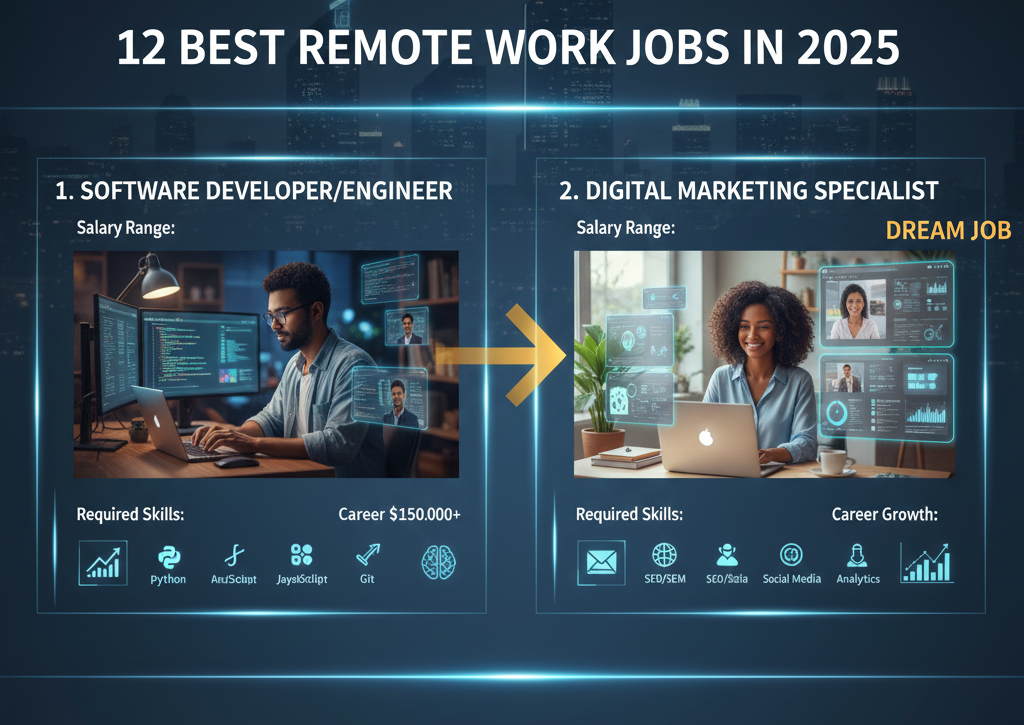
1. Software Developer/Engineer
Software development consistently ranks among the highest-paying and most abundant opportunities. Developers create applications, websites, and systems that power modern digital infrastructure, with demand far exceeding supply across experience levels. suits programming perfectly since it requires only a computer and internet connection, with collaboration happening effectively through version control systems, video calls, and project management platforms.
Salary Range: $70,000 – $150,000+ annually
Required Skills: Programming languages (Python, JavaScript, Java), problem-solving, version control (Git), software development methodologies
Career Growth: High demand, numerous specialization paths, excellent advancement opportunities
Companies from startups to Fortune 500 corporations hire remote developers, making this one of the most accessible fields for those with appropriate technical skills. Bootcamps and online courses make entry possible even without traditional computer science degrees.
2. Digital Marketing Specialist
Digital marketing has become essential for businesses of all sizes, creating abundant opportunities for professionals who understand online customer acquisition and engagement. Digital marketers manage social media, create content, run advertising campaigns, analyze performance metrics, and develop strategies to grow brand presence and drive sales through digital channels.
Salary Range: $50,000 – $100,000+ annually
Required Skills: SEO/SEM, content marketing, social media management, analytics tools, email marketing, advertising platforms
Career Growth: Expanding field with diverse specialization opportunities and high demand
The data-driven nature of digital marketing makes highly effective, as performance metrics provide clear accountability regardless of location. Companies increasingly recognize that marketing talent can work effectively from anywhere with proper tools and communication.
3. Customer Success Manager
Customer success professionals ensure clients achieve desired outcomes with products or services, driving retention and satisfaction. This role involves onboarding new customers, providing ongoing support, identifying upsell opportunities, and serving as the primary point of contact for client relationships. The position combines relationship building with strategic thinking and problem-solving.
Salary Range: $60,000 – $110,000+ annually
Required Skills: Communication, problem-solving, CRM software, customer service, relationship management, analytical thinking
Career Growth: Strong demand in SaaS and tech industries with clear advancement paths
in customer success has proven highly effective, with video conferencing and collaboration tools enabling strong client relationships without in-person meetings. Many companies prefer distributed customer success teams to provide better geographic coverage for their client bases.
For more remote job listings and career guidance, explore: 👉 https://easynaukri4u.com/
4. Project Manager
Project managers coordinate teams, timelines, and resources to deliver projects successfully. project managers use digital tools to track progress, facilitate communication, manage stakeholders, and ensure deliverables meet quality standards and deadlines. This role requires strong organizational abilities and leadership skills that translate effectively to virtual environments.
Salary Range: $75,000 – $130,000+ annually
Required Skills: Project management methodologies (Agile, Scrum), communication, leadership, organization, risk management, budgeting
Career Growth: Excellent opportunities across industries with certifications enhancing advancement
The structured nature of project management makes remote work highly viable, with countless digital tools specifically designed to support virtual project coordination. Companies across industries need skilled project managers, creating diverse opportunities in this field.
5. Data Analyst
Data analysts transform raw data into actionable insights that inform business decisions. role involves collecting, processing, and analyzing data sets, creating visualizations, and presenting findings to stakeholders. As organizations increasingly rely on data-driven decision-making, demand for skilled analysts continues growing rapidly.
Salary Range: $65,000 – $120,000+ annually
Required Skills: SQL, Excel, statistical analysis, data visualization tools (Tableau, Power BI), Python/R, critical thinking
Career Growth: High demand with opportunities to specialize in specific industries or advance to data science roles
6. Content Writer/Copywriter
Content creation powers modern marketing and communication strategies, creating abundant opportunities for skilled writers. Content writers produce blog posts, articles, website copy, email campaigns, social media content, and marketing materials that engage audiences and drive business objectives. This role combines creativity with strategic thinking and adaptability to various brand voices.
Salary Range: $45,000 – $90,000+ annually
Required Skills: Writing proficiency, SEO knowledge, research abilities, adaptability to different styles, content management systems, deadline management
Career Growth: Opportunities to specialize in niches, advance to content strategy roles, or freelance for multiple clients
Writing represents perhaps the most established field, with decades of successful remote collaboration proving location independence doesn’t compromise quality. The flexibility and creative nature of this work make it highly appealing to professionals seeking remote work opportunities.
7. Graphic Designer
Visual communication has become increasingly important across digital platforms, creating strong demand for graphic designers in arrangements. Designers create logos, marketing materials, social media graphics, website elements, presentations, and branded content that communicate messages visually and strengthen brand identities.
Salary Range: $50,000 – $95,000+ annually
Required Skills: Adobe Creative Suite, design principles, creativity, communication, understanding of brand strategy, file management
Career Growth: Opportunities in various industries with paths toward art direction or specialization
Design work translates exceptionally well to since projects are inherently digital and collaboration tools enable effective feedback and iteration. Many designers appreciate the creative flexibility that environments provide, free from traditional office distractions.
8. Virtual Assistant
Virtual assistants provide administrative, technical, or creative support to businesses and entrepreneurs from remote locations. This diverse role can include email management, scheduling, research, data entry, customer service, social media management, and various other tasks depending on client needs and assistant specializations.
Salary Range: $35,000 – $75,000+ annually
Required Skills: Organization, communication, time management, proficiency in productivity tools, adaptability, reliability
Career Growth: Opportunities to specialize in niches, build client bases, or advance to executive assistant roles
The virtual assistant field offers accessible entry into for professionals with strong organizational and communication skills. As businesses increasingly embrace outsourcing and entrepreneurs build remote teams, demand for qualified virtual assistants continues growing.
9. Online Teacher/Tutor
Education has embraced digital delivery, creating extensive opportunities for teachers and tutors across subjects and age groups. Online educators conduct virtual classes, create educational content, assess student progress, and provide personalized instruction through video conferencing and learning management platforms.
Salary Range: $40,000 – $80,000+ annually (varies significantly by subject, level, and platform)
Required Skills: Subject expertise, teaching ability, patience, technical proficiency with online learning tools, communication, adaptability
Career Growth: Opportunities to build student bases, create courses, specialize in high-demand subjects
Remote work in education expanded dramatically in recent years, with both institutions and individual learners embracing online instruction. Teachers can reach global student populations while maintaining flexible schedules that traditional classroom settings don’t allow.
For teaching opportunities and educational resources, visit: 👉 https://easynaukri4u.com/
10. UX/UI Designer
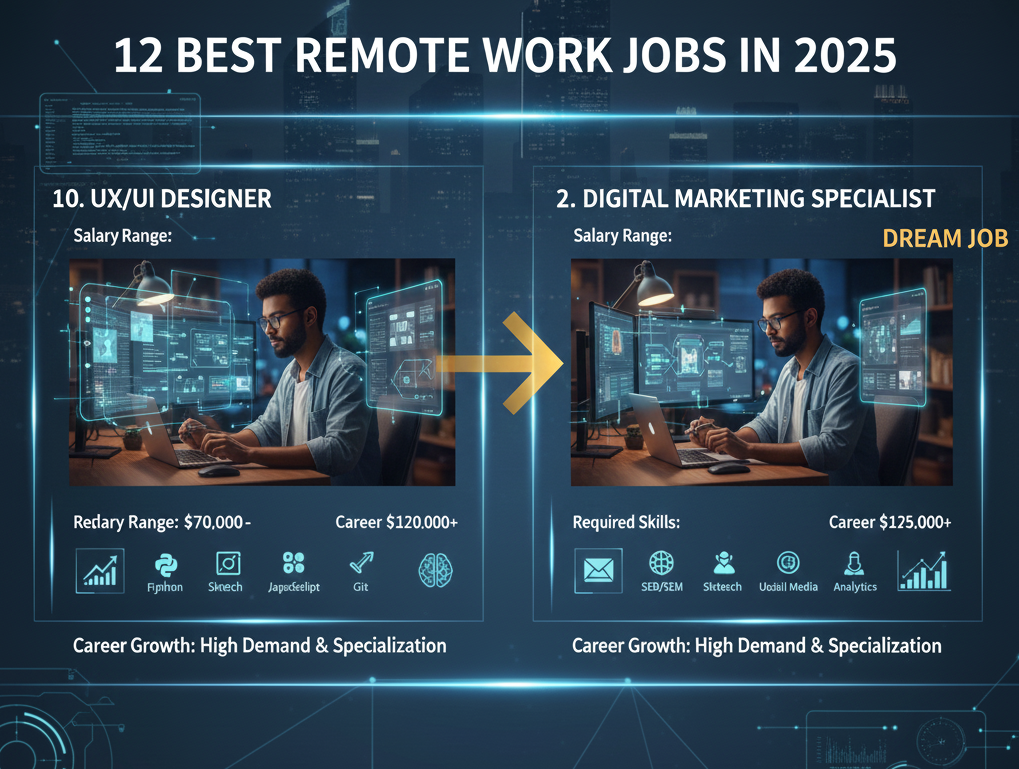
User experience and interface designers create digital products that are intuitive, accessible, and enjoyable to use. This role involves researching user needs, creating wireframes and prototypes, conducting usability testing, and collaborating with developers to implement designs that enhance user satisfaction and achieve business objectives.
Salary Range: $70,000 – $125,000+ annually
Required Skills: Design tools (Figma, Sketch, Adobe XD), user research methods, prototyping, understanding of accessibility, collaboration, psychology principles
Career Growth: High demand with opportunities to specialize in mobile, web, or emerging platforms
The digital nature of UX/UI work makes highly effective, with design tools built specifically to support remote collaboration. As businesses prioritize digital experiences, demand for skilled UX/UI designers continues increasing, creating excellent opportunities.
11. Account Manager
Account managers maintain and grow relationships with existing clients, serving as primary contacts who understand client needs, coordinate internal resources, identify expansion opportunities, and ensure satisfaction. This remote work role combines relationship building with strategic account planning and requires strong communication and organizational abilities.
Salary Range: $55,000 – $100,000+ annually
Required Skills: Relationship management, communication, problem-solving, CRM proficiency, negotiation, strategic thinking
Career Growth: Advancement to senior account management or sales leadership positions
Effective account management doesn’t require physical proximity, making remote work increasingly common in this field. Video conferencing and digital communication tools enable strong client relationships while offering flexibility for both account managers and clients.
12. Social Media Manager
Social media managers develop and execute strategies to build brand presence, engage audiences, and drive business objectives across social platforms. This remote work role involves content creation and curation, community management, analytics tracking, advertising campaign management, and staying current with platform changes and trends.
Salary Range: $50,000 – $95,000+ annually
Required Skills: Social media platform expertise, content creation, analytics, communication, creativity, trend awareness, advertising management
Career Growth: Opportunities to specialize in platforms, advance to director roles, or consult independently
The digital nature of social media makes remote work not just possible but often preferable, as managers can monitor and engage across time zones. Companies increasingly recognize that social media expertise doesn’t require office presence, creating abundant remote work opportunities.
How to Find Remote Work Opportunities
Specialized Remote Job Boards
Finding remote work positions requires using platforms specifically designed for remote opportunities. General job boards often bury remote positions among location-specific listings, making specialized platforms more efficient. Websites like Remote.co, We Work Remotely, FlexJobs, and Remote OK exclusively feature remote work opportunities across industries and experience levels.
Create profiles and set up job alerts on multiple platforms to receive notifications when positions matching your criteria are posted. Early applications often receive more attention, so rapid response capabilities provide competitive advantages in securing remote work positions.
Company Career Pages
Many companies embracing remote work post positions on their career pages before distributing to external job boards. If specific organizations represent your target employers, monitor their careers sections directly and follow their social media for announcements. Subscribe to company newsletters to stay informed about new remote work openings.
Research companies known for strong remote cultures and progressive work policies. Organizations with established remote work practices typically provide better support, tools, and management for distributed teams compared to companies new to remote employment.
Networking in Remote Communities
Professional networking remains crucial for discovering remote work opportunities, but remote job seekers should focus on virtual communities and online networking. Join industry-specific groups on LinkedIn, participate in remote work forums, attend virtual conferences, and engage with thought leaders in your field through social media platforms.
Many remote work positions are filled through referrals and connections before public posting. Building relationships within remote communities increases your chances of learning about opportunities early and receiving recommendations that strengthen applications.
For comprehensive remote job listings and resources, explore: 👉 https://easynaukri4u.com/
Preparing for Remote Work Success
Creating an Effective Home Office
Success in remote work requires a dedicated workspace that supports productivity and professionalism. Designate a specific area for work, ideally separate from living spaces, to create psychological boundaries between professional and personal life. Invest in ergonomic furniture, reliable technology, quality internet connectivity, and proper lighting to support long-term health and productivity.
Your remote work environment significantly impacts performance, engagement, and job satisfaction. Companies increasingly provide stipends for home office setup, recognizing that proper equipment benefits both employees and employers through enhanced productivity and reduced health issues.
Developing Remote Work Skills
Successful remote work requires specific competencies beyond job-specific technical skills. Self-motivation, time management, communication clarity, digital literacy, and independence become critical when working without direct supervision and physical proximity to colleagues. Develop these skills before transitioning to remote work to ensure smooth adaptation.
Practice asynchronous communication, learning to convey information clearly in writing without relying on immediate responses or in-person clarification. Master video conferencing etiquette, project management tools, and collaboration platforms commonly used in remote work environments.
Building Your Remote-Ready Resume
Tailor your resume and cover letters to emphasize qualities that make you well-suited for remote work. Highlight previous remote experience if applicable, but also showcase self-direction, communication skills, technical proficiency, and results-oriented work that demonstrates your ability to thrive without constant supervision.
Include specific examples of independent projects, virtual collaboration, and accomplishments measured by outcomes rather than activities. Employers hiring for remote work positions prioritize candidates who demonstrate ability to deliver results autonomously.
Common Remote Work Challenges and Solutions
Combating Isolation
One of the primary challenges in remote work involves professional and social isolation. Without casual office interactions and spontaneous conversations, remote workers can feel disconnected from colleagues and organizational culture. Combat this by scheduling regular video calls, participating in virtual team activities, joining co-working spaces occasionally, or arranging coffee chats with colleagues.
Many successful remote work professionals balance solitude with intentional social interaction, creating structures that provide human connection without requiring daily office attendance. Finding the right balance enhances both job satisfaction and mental health.
Managing Work-Life Boundaries
Remote work can blur boundaries between professional and personal life, leading to overwork or constant availability expectations. Establish clear schedules, communicate availability to colleagues, create physical transitions between work and personal time, and protect non-work hours to prevent burnout.
Successful remote work requires discipline to both start and stop working at appropriate times. Without physical office departure cues, remote workers must create rituals that signal work completion and enable mental transition to personal time.
Staying Productive with Distractions
Home environments present unique distractions that office settings don’t—household chores, family members, deliveries, pets, and personal tasks competing for attention during work hours. Remote work success requires strategies to minimize these distractions through dedicated workspace, clear household expectations, time blocking, and productivity techniques.
Experiment with different productivity methods—Pomodoro Technique, time blocking, or focused work sessions—to find approaches that maintain concentration and output. Many remote work professionals report higher productivity than office settings once they develop effective strategies for managing home-based distractions.
Communication in Virtual Teams
Effective communication becomes more intentional in remote work settings without casual hallway conversations or quick desk visits. Over-communicate rather than under-communicate, documenting decisions, asking clarifying questions, and providing regular updates to keep colleagues informed and aligned.
Master both synchronous (video calls, instant messaging) and asynchronous (email, project management updates) communication, choosing appropriate channels for different situations. Clear communication skills distinguish successful remote work professionals from those who struggle with distributed team collaboration.
Remote Work Best Practices
Establishing Routines
Successful remote work professionals typically develop consistent routines that provide structure without office schedules imposing it externally. Create morning rituals that prepare you mentally for work, establish regular work hours that align with team needs and personal productivity patterns, and develop shutdown routines that signal work completion.
These routines create psychological boundaries supporting productivity during work hours and relaxation during personal time. While remote work offers flexibility, successful practitioners balance that freedom with enough structure to maintain consistency and reliability.
Continuing Professional Development
Remote work shouldn’t mean isolated professional growth. Pursue online courses, attend virtual conferences, participate in webinars, join professional associations, and seek mentorship opportunities that support skill development and career advancement. Many organizations provide professional development budgets for remote employees.
Staying current with industry trends and expanding capabilities ensures long-term success in remote work positions while opening doors to advancement and new opportunities. Self-directed learning becomes increasingly important without casual knowledge sharing that occurs in office environments.
Optimizing Video Presence
Video calls represent the primary face-to-face interaction in remote work, making strong video presence important for professional impression and communication effectiveness. Ensure proper lighting, clean backgrounds, reliable audio, and professional appearance during video calls. Position cameras at eye level and maintain engagement through eye contact with the camera.
These seemingly small factors significantly impact how colleagues and clients perceive your professionalism and engagement. As remote work becomes standard, video communication skills become as important as in-person presentation abilities once were.
Discover more remote work tips and resources at: 👉 https://easynaukri4u.com/
The Future of Remote Work
Hybrid Models Emerging
These hybrid models attempt to capture remote work benefits—flexibility, expanded talent pools, reduced overhead—while maintaining connection, culture, and spontaneous collaboration that office environments facilitate. Understanding and adapting to hybrid arrangements positions professionals advantageously as work models continue evolving.
Global Talent Competition
Remote work enables truly global talent pools, increasing both opportunities and competition for positions. Professionals can pursue roles with companies anywhere in the world, but they also compete against global candidate pools rather than just local applicants. This dynamic makes continuous skill development and differentiation increasingly important.
Understanding how to navigate international remote work opportunities—including time zone management, cultural communication differences, and global collaboration—positions professionals to capitalize on expanding possibilities while managing increased competition.
Conclusion: Embracing the Remote Work Opportunity
The shift toward remote work represents one of the most significant transformations in modern employment, creating unprecedented opportunities for professionals seeking flexibility, work-life balance, and location independence. The twelve career paths explored in this guide demonstrate the breadth of remote work opportunities available across industries, skill levels, and specializations.
Successfully transitioning to remote work requires more than simply finding positions labeled “remote”—it demands developing specific skills, creating effective work environments, mastering virtual collaboration, and maintaining discipline without traditional office structures. Professionals who invest in these capabilities position themselves for long-term success in the evolving world of work.
The benefits of remote work extend beyond personal convenience to environmental sustainability, expanded economic opportunities for underserved regions, and improved accessibility for individuals with disabilities or caregiving responsibilities. As more organizations embrace remote employment, these broader societal benefits contribute to the movement’s momentum and permanence.
Whether you’re just beginning to explore remote work possibilities or actively transitioning from traditional employment, the strategies, insights, and career paths discussed in this guide provide a foundation for success. Start by identifying which remote work opportunities align with your skills and interests, then develop targeted plans to build required competencies, create strong applications, and prepare for virtual work success.
The remote work revolution isn’t coming—it’s already here. Professionals who embrace this shift, develop relevant skills, and adapt to distributed collaboration will thrive in the modern workforce. Those who resist or delay adapting may find themselves increasingly disadvantaged as remote work becomes standard rather than exceptional.
Take action today by exploring remote work opportunities in fields that interest you, updating your resume to highlight remote-relevant skills, optimizing your LinkedIn profile for remote positions, and beginning to build the home office environment that supports productive remote employment. Your remote work career awaits—the question is when you’ll begin pursuing it.
For ongoing remote work opportunities, career guidance, and professional development resources, visit: 👉 https://easynaukri4u.com/
The future of work offers unprecedented flexibility and opportunity for those prepared to embrace it. Remote work represents not just a different location for employment but a fundamentally different approach to professional life—one that prioritizes results over presence, outcomes over activities, and work-life integration over separation. Your journey into this exciting future can begin today.