How Learning Technical Skills Early Can Boost Your Career Growth
BlogIntroduction: The Power of Early Technical Education

In today’s rapidly evolving digital landscape, technical skills have transformed from optional advantages to essential career requirements. The global workforce is experiencing unprecedented changes, with technology reshaping every industry from healthcare to finance, education to entertainment. For students and young professionals navigating this dynamic environment, acquiring technical skills early in their academic or professional journey isn’t just beneficial—it’s becoming increasingly crucial for long-term career success and sustainability.
Good for you –
Visit our website – EasyNaukri4U – India’s Leading Government Job Portal
visit our resume builder – Government Jobs - EasyNaukri4U
“According to LinkedIn’s Global Talent Trends Report, recruiters spend an average of six to seven seconds reviewing each resume.”
The significance of developing technical skills extends far beyond traditional technology-focused careers. Modern employers across all sectors seek candidates who can seamlessly integrate technological solutions into their work processes. Whether you’re an aspiring marketer learning data analytics, a future accountant mastering spreadsheet automation, or an artist exploring digital design tools, early exposure to technology-based competencies provides a substantial competitive edge in the job market.
This comprehensive guide explores the multifaceted benefits of acquiring technical skills during your formative years, providing actionable insights on how these capabilities can accelerate your professional growth, enhance your earning potential, and prepare you for the future of work. From understanding which skills to prioritize to implementing effective learning strategies, we’ll cover everything you need to know about leveraging technology for career advancement.
Understanding Technical Skills in the Modern Context
What Are Technical Skills?
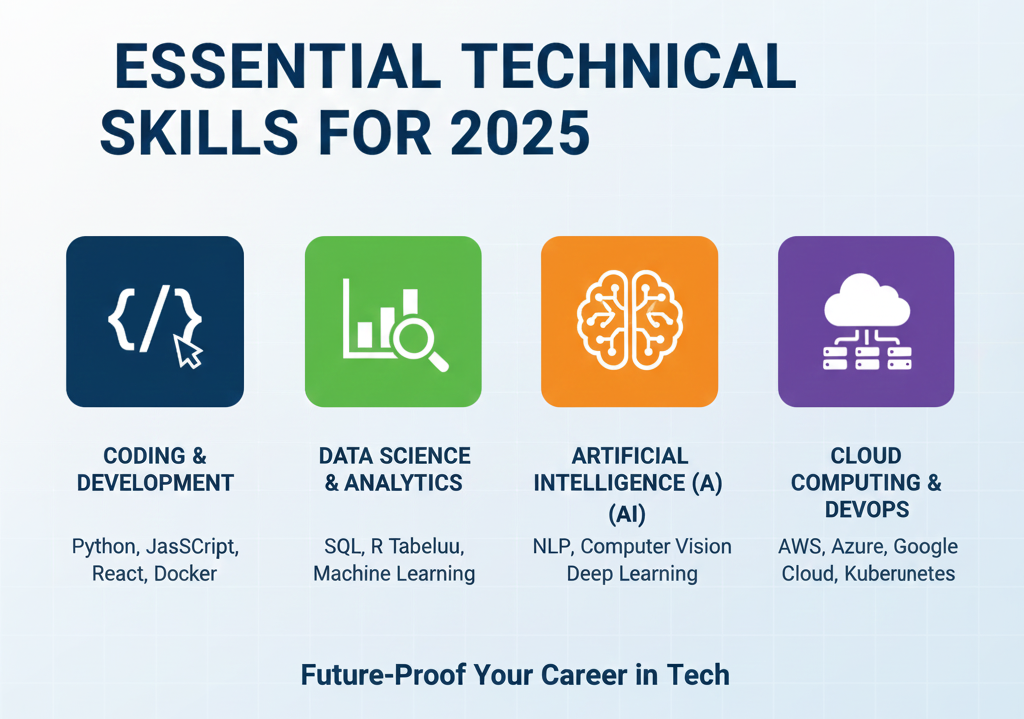
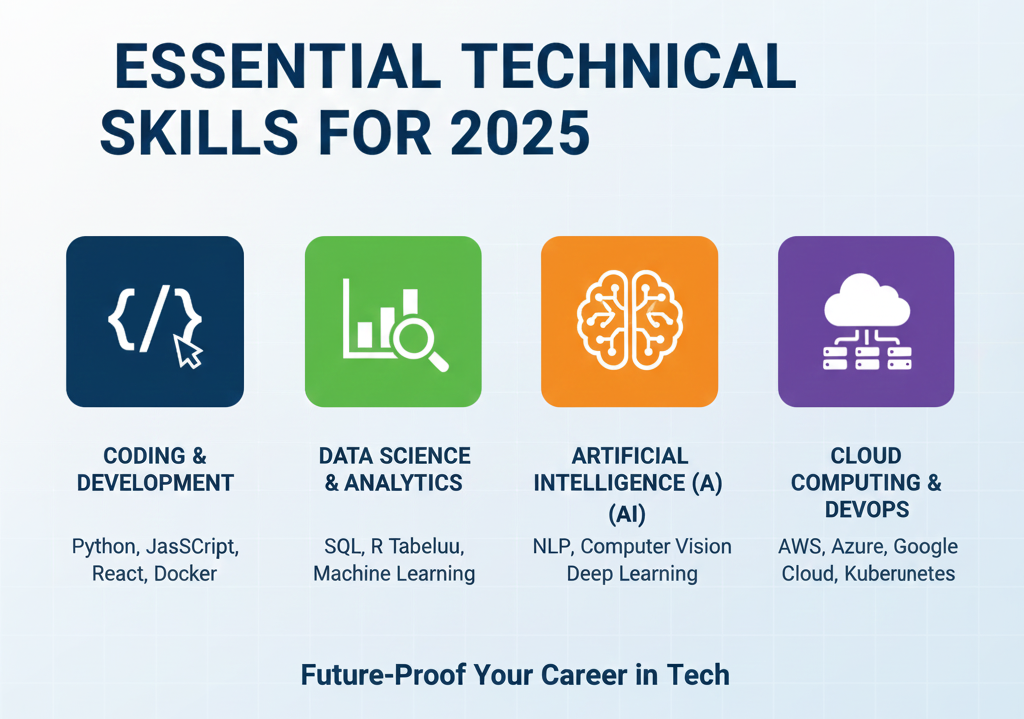
Technical skills encompass a broad range of abilities related to technology, digital tools, and specialized software applications. These competencies include programming languages, data analysis, digital marketing tools, cloud computing platforms, artificial intelligence applications, and various industry-specific software proficiencies. Unlike soft skills, which focus on interpersonal abilities, technical skills are measurable, teachable capabilities that directly enhance your productivity and problem-solving capacity in professional settings.
The definition of technical skills continues to expand as technology advances. Today’s technical competencies range from basic digital literacy—such as proficiency in Microsoft Office or Google Workspace—to advanced capabilities like machine learning, blockchain development, or cybersecurity management. The key lies in understanding which technical skills align with your career aspirations and industry requirements.
The Evolution of Workplace Requirements
The modern workplace has undergone dramatic transformation over the past decade. Digital transformation initiatives have accelerated across industries, creating unprecedented demand for professionals who possess strong technical skills. Organizations now prioritize candidates who can adapt to new technologies, automate routine tasks, and contribute to innovation through technological expertise.
This shift has fundamentally altered hiring practices and career progression paths. Employers increasingly use technical skills assessments during recruitment processes, recognizing that these capabilities often determine a candidate’s ability to add immediate value to their organization. Furthermore, professionals with robust technical foundations typically advance faster in their careers, as they can tackle complex challenges and drive efficiency improvements through technology implementation.
For more career insights and skill development resources, visit: 👉 https://easynaukri4u.com/
Why Starting Early Makes a Difference
The Advantage of a Learning Mindset
Beginning your technical skills journey early cultivates a growth mindset essential for continuous learning. Young learners typically exhibit greater neuroplasticity, making it easier to absorb complex technical concepts and develop intuitive understanding of technological systems. This early foundation creates a snowball effect—each new skill becomes easier to acquire as you build upon existing knowledge.
Students who invest in technical skills during their academic years benefit from structured learning environments, access to educational resources, and opportunities to experiment without the pressure of immediate professional application. This exploratory phase allows for deeper understanding and more creative application of technological concepts, fostering innovation and problem-solving abilities that become invaluable in professional settings.
Building Confidence Through Practice
Early exposure to technical skills provides ample time for practice and refinement. As you work through projects, solve problems, and overcome challenges, you develop confidence in your abilities. This self-assurance becomes particularly valuable during job interviews, presentations, and collaborative projects where demonstrating technical competence can set you apart from peers.
The confidence gained from mastering technical skills extends beyond specific technologies. It creates a foundation for tackling new challenges, adapting to emerging technologies, and taking on leadership roles in technology-driven initiatives. This psychological advantage often proves as valuable as the skills themselves, empowering you to pursue ambitious projects and career opportunities.
Core Technical Skills That Drive Career Growth
Programming and Software Development
Programming remains one of the most valuable technical skills in today’s job market. Languages like Python, JavaScript, Java, and SQL open doors across industries, from software development to data science, automation to web development. Learning to code teaches logical thinking, problem-solving, and attention to detail—skills that benefit professionals regardless of their primary field.
The beauty of programming as a technical skill lies in its versatility. Finance professionals use coding to automate reports and analyze market trends. Marketers leverage programming to track campaign performance and personalize customer experiences. Scientists employ coding for research analysis and modeling. This cross-functional applicability makes programming knowledge increasingly valuable across diverse career paths.
Data Analysis and Visualization
Data has become the cornerstone of modern decision-making, making data analysis one of the most sought-after technical skills. Proficiency in tools like Excel, Tableau, Power BI, and statistical software enables professionals to extract insights from complex datasets, identify trends, and support strategic decisions with empirical evidence.
Organizations across all sectors generate vast amounts of data daily. Professionals who can interpret this information, create compelling visualizations, and communicate findings effectively become invaluable assets to their teams. These technical skills transform raw data into actionable intelligence, driving business growth and innovation.
Cloud Computing and Infrastructure
Cloud technology has revolutionized how businesses operate, store data, and deliver services. Understanding cloud platforms like AWS, Microsoft Azure, or Google Cloud Platform represents crucial technical skills for modern professionals. As organizations increasingly migrate to cloud-based solutions, professionals with cloud expertise find themselves in high demand.
Cloud computing knowledge encompasses various aspects, including infrastructure management, security protocols, cost optimization, and scalability planning. These technical skills enable professionals to design efficient systems, ensure data security, and optimize resource utilization—capabilities that directly impact organizational efficiency and competitiveness.
Artificial Intelligence and Machine Learning
AI and machine learning represent the frontier of technical skills, offering immense potential for career advancement. Understanding AI concepts, working with machine learning frameworks, and applying these technologies to real-world problems positions professionals at the forefront of innovation.
These advanced technical skills aren’t limited to data scientists or AI specialists. Marketing professionals use AI for customer segmentation and predictive analytics. Healthcare workers employ machine learning for diagnosis assistance and treatment optimization. Financial analysts leverage AI for risk assessment and fraud detection. Early exposure to these technologies provides a significant advantage as AI continues to reshape industries.
Explore more about emerging technologies and career opportunities at: 👉 https://easynaukri4u.com/
Industry-Specific Applications
Technical Skills in Healthcare
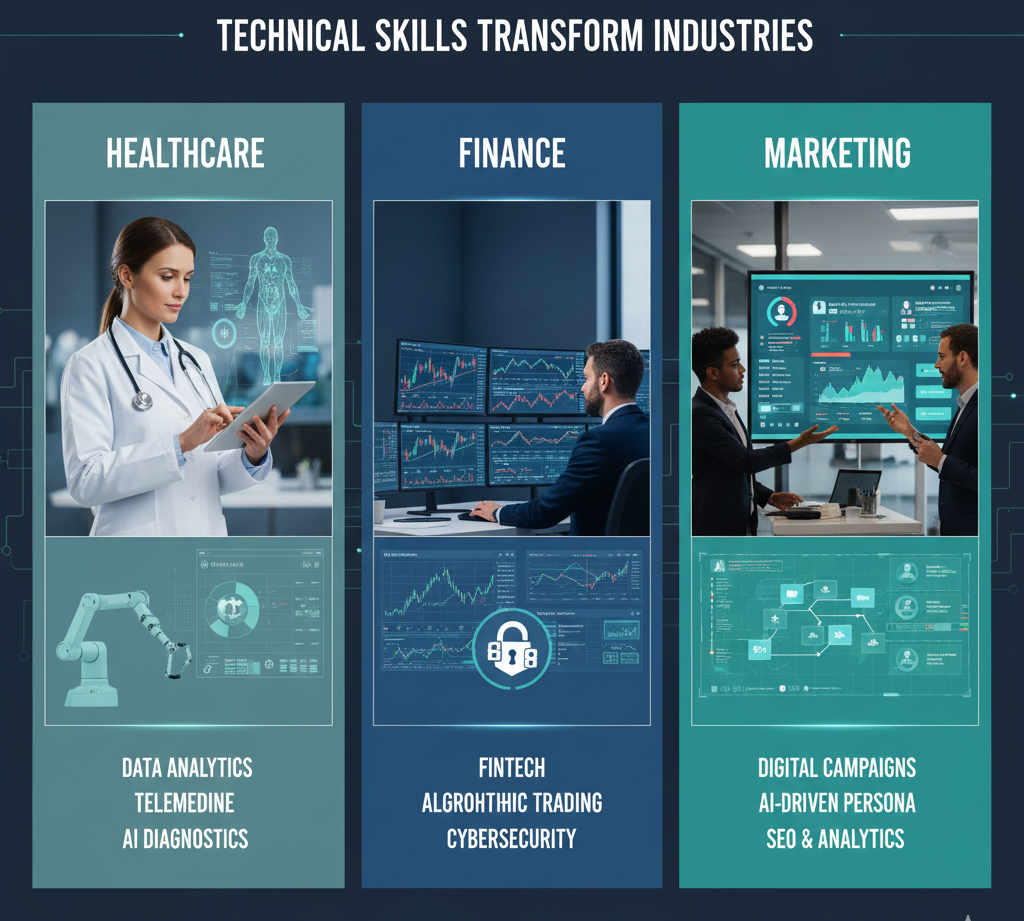
The healthcare industry increasingly relies on technical skills to improve patient outcomes and operational efficiency. Electronic health records, telemedicine platforms, medical imaging software, and health data analytics require healthcare professionals to develop strong technological competencies. Medical professionals who combine clinical expertise with technical skills find themselves better positioned for leadership roles and specialized positions.
Healthcare technology continues to evolve rapidly, with innovations like AI-assisted diagnosis, robotic surgery systems, and personalized medicine platforms. Professionals who develop relevant technical skills early can contribute to these advancements while enhancing their career prospects in this growing field.
Finance and FinTech Revolution
The financial sector has undergone massive digital transformation, creating unprecedented demand for professionals with strong technical skills. From algorithmic trading to blockchain technology, cryptocurrency to digital banking platforms, the finance industry requires professionals who can navigate complex technological landscapes.
Financial analysts with programming skills can automate reporting processes and develop sophisticated models. Accountants with data analysis capabilities provide deeper insights into financial performance. Investment professionals who understand AI and machine learning can identify market opportunities more effectively. These technical skills have become differentiators in the competitive financial services industry.
Digital Marketing and E-commerce
Digital marketing exemplifies how technical skills have become integral to traditionally non-technical fields. Modern marketers must understand SEO optimization, social media algorithms, marketing automation platforms, and analytics tools. E-commerce professionals need expertise in platform management, payment gateways, and customer relationship management systems.
The convergence of marketing and technology has created new career opportunities for professionals who bridge creative and technical domains. Those who develop strong technical skills alongside marketing acumen can command higher salaries and pursue leadership positions in digital transformation initiatives.
Learning Strategies for Technical Skill Development
Formal Education vs. Self-Learning
Developing technical skills requires choosing appropriate learning pathways. Formal education through degree programs or certifications provides structured learning, comprehensive coverage, and recognized credentials. Universities and colleges increasingly integrate technical skills training into traditional curricula, recognizing their importance for graduate employability.
Self-learning through online platforms, tutorials, and practical projects offers flexibility and cost-effectiveness. Platforms like Coursera, Udemy, edX, and YouTube provide access to high-quality content covering various technical skills. The self-directed approach allows learners to focus on specific areas of interest and learn at their own pace.
Project-Based Learning
Hands-on experience remains the most effective way to develop technical skills. Working on real projects—whether personal, academic, or professional—provides practical application opportunities and helps build a portfolio demonstrating your capabilities. Projects challenge you to solve real problems, integrate multiple skills, and produce tangible outcomes.
Start with small projects that align with your interests and gradually increase complexity. Build a website, analyze a dataset, automate a repetitive task, or create a mobile application. Each project enhances your technical skills while providing concrete examples of your abilities for potential employers.
Community Engagement and Networking
Joining communities focused on technical skills development accelerates learning through peer support, knowledge sharing, and collaborative opportunities. Online forums, local meetups, hackathons, and professional associations provide platforms for connecting with like-minded individuals and industry experts.
Active community participation exposes you to diverse perspectives, emerging trends, and best practices in applying technical skills. These connections often lead to mentorship opportunities, job referrals, and collaborative projects that further enhance your professional growth.
For additional learning resources and community connections, visit: 👉 https://easynaukri4u.com/
Career Benefits of Early Technical Skill Development
Enhanced Employability
Possessing strong technical skills significantly enhances your attractiveness to potential employers. In competitive job markets, candidates with demonstrated technical competencies stand out from those relying solely on traditional qualifications. Employers value professionals who can immediately contribute to projects requiring technological expertise.
Technical skills often serve as differentiators during recruitment processes. Two candidates with similar educational backgrounds and experience levels may find their technical capabilities determining the final hiring decision. Furthermore, professionals with diverse technical skills qualify for a broader range of positions, increasing their employment options.
Higher Earning Potential
Professionals with strong technical skills typically command higher salaries than their non-technical counterparts. The supply-demand dynamics of the job market favor those with specialized technological expertise, leading to premium compensation packages. This earning advantage compounds over time, as technical professionals often receive larger raises and bonuses.
The financial benefits of technical skills extend beyond traditional employment. Freelancing opportunities, consulting engagements, and entrepreneurial ventures become viable income sources for those with strong technical foundations. These alternative revenue streams provide financial security and career flexibility.
Career Progression Opportunities
Technical skills accelerate career advancement by enabling professionals to take on more complex responsibilities and leadership roles. Organizations increasingly seek leaders who understand technology’s strategic implications and can guide digital transformation initiatives. Technical proficiency combined with business acumen creates powerful career advancement opportunities.
Professionals with strong technical skills often transition into specialized roles like technical project managers, solution architects, or innovation leaders. These positions offer greater responsibility, influence, and compensation while allowing continued skill development and professional growth.
Geographic and Remote Work Flexibility
Technical skills provide geographic flexibility increasingly valued in modern careers. Many technology-focused roles support remote work arrangements, allowing professionals to work for companies worldwide without relocating. This flexibility enhances work-life balance while expanding career opportunities beyond local job markets.
The global nature of technology work means professionals with strong technical skills can pursue international opportunities, collaborate with diverse teams, and build global professional networks. This exposure enriches career experiences and accelerates professional development.
Overcoming Common Challenges
Dealing with Information Overload
The vast array of available technical skills and learning resources can overwhelm beginners. Developing a strategic approach to skill acquisition helps manage this complexity. Start by identifying skills most relevant to your career goals, industry requirements, and personal interests.
Create a learning roadmap outlining which technical skills to pursue and in what sequence. Focus on mastering fundamental concepts before advancing to specialized areas. This structured approach prevents scattered learning and ensures steady progress toward your objectives.
Maintaining Motivation
Learning technical skills requires sustained effort and persistence, particularly when encountering challenging concepts or complex problems. Maintaining motivation throughout the learning journey proves crucial for long-term success. Set realistic goals, celebrate small victories, and remember that proficiency develops gradually through consistent practice.
Connect your technical skills development to broader career aspirations. Understanding how each skill contributes to your professional goals provides motivation during difficult learning periods. Join study groups or find accountability partners who share similar learning objectives.
Balancing Technical and Soft Skills
While technical skills provide significant career advantages, balancing them with soft skills remains essential. Communication, teamwork, leadership, and emotional intelligence complement technical capabilities, creating well-rounded professionals capable of thriving in diverse work environments.
Develop technical skills alongside interpersonal abilities through collaborative projects, presentations, and team-based learning experiences. This integrated approach ensures you can effectively apply technical knowledge while working with others and communicating complex concepts to non-technical stakeholders.
Future Trends in Technical Skills
Emerging Technologies
The landscape of technical skills continues evolving with technological advancement. Emerging areas like quantum computing, augmented reality, Internet of Things (IoT), and edge computing represent new frontiers for skill development. Staying informed about these trends helps identify future learning priorities.
Professionals who anticipate technological shifts and develop relevant technical skills early position themselves advantageously for future opportunities. Monitor industry publications, attend technology conferences, and engage with thought leaders to stay current with emerging trends.
Continuous Learning Imperative
The rapid pace of technological change makes continuous learning essential for maintaining relevant technical skills. Technologies that seem cutting-edge today may become obsolete within years. Successful professionals embrace lifelong learning, regularly updating their skill sets to remain competitive.
Develop learning habits that support continuous skill development. Allocate regular time for exploring new technologies, experimenting with emerging tools, and refreshing existing technical skills. This proactive approach ensures sustained career relevance and growth.
Integration of AI in Skill Development
Artificial intelligence increasingly influences how we acquire and apply technical skills. AI-powered learning platforms personalize educational experiences, adaptive testing systems assess skill levels accurately, and intelligent tutoring systems provide customized guidance. Understanding how to leverage AI for skill development becomes a valuable competency itself.
As AI automates routine technical tasks, professionals must focus on developing technical skills that complement rather than compete with artificial intelligence. Skills involving creativity, strategic thinking, and complex problem-solving become increasingly valuable as AI handles repetitive technical work.
Discover more about future technology trends and skill requirements at: 👉 https://easynaukri4u.com/
Creating Your Technical Skill Development Plan
Assessment and Goal Setting
Begin your technical skills journey by assessing current capabilities and identifying development areas. Conduct honest self-evaluation of existing technical knowledge, considering both strengths and gaps. Research industry requirements for your target career path to understand which technical skills employers value most.
Set specific, measurable goals for skill acquisition. Rather than vague objectives like “learn programming,” establish concrete targets such as “complete Python fundamentals course and build three projects within six months.” Clear goals provide direction and enable progress tracking.
Resource Selection and Time Management
Choose learning resources aligned with your learning style, schedule, and budget. Combine multiple resource types—online courses, textbooks, tutorials, and practical projects—to reinforce learning. Prioritize high-quality resources that provide comprehensive coverage of technical skills while offering hands-on practice opportunities.
Develop realistic timelines for skill development, considering other commitments and responsibilities. Consistency matters more than intensity; regular daily practice proves more effective than sporadic intensive sessions. Create sustainable learning schedules that maintain momentum without causing burnout.
Progress Tracking and Portfolio Development
Document your technical skills development journey through portfolios, certifications, and project repositories. Create online profiles showcasing your work, whether through GitHub for code, Behance for design, or personal websites highlighting various projects. These portfolios demonstrate practical application of technical skills to potential employers.
Track learning progress through skill assessments, project completions, and certification achievements. Regular evaluation helps identify areas requiring additional focus and celebrates accomplishments along the way. This documentation becomes valuable during job searches and performance reviews.
Conclusion: Investing in Your Future Through Technical Skills
The importance of developing technical skills early in your career cannot be overstated. In an increasingly digital world, these capabilities serve as catalysts for professional growth, opening doors to diverse opportunities and enhanced earning potential. Whether you’re a student preparing for the workforce or a young professional seeking advancement, investing in technical skills provides returns throughout your career journey.
The journey of acquiring technical skills requires dedication, persistence, and strategic planning. However, the benefits—increased employability, higher salaries, career flexibility, and professional confidence—justify the investment. Start your technical learning journey today, focusing on skills aligned with your interests and career aspirations.
Remember that developing technical skills is not a destination but an ongoing journey. Technology continues evolving, creating new opportunities for those prepared to embrace change and continuous learning. By starting early and maintaining consistent effort, you position yourself for long-term career success in our technology-driven future.
Take action today by identifying one technical skill to pursue and committing to its development. Your future self will thank you for the investment in building strong technical skills that serve as foundations for professional achievement and personal growth.
For comprehensive resources, career guidance, and skill development support, explore: 👉 https://easynaukri4u.com/
The path to career success increasingly runs through technology. By embracing technical skills development early, you’re not just preparing for today’s opportunities—you’re positioning yourself for tomorrow’s possibilities. Start your journey now, and watch as doors open to exciting career prospects you may have never imagined possible.