Best Freelancing Guide: Build a Thriving Career in 2026
BlogIntroduction
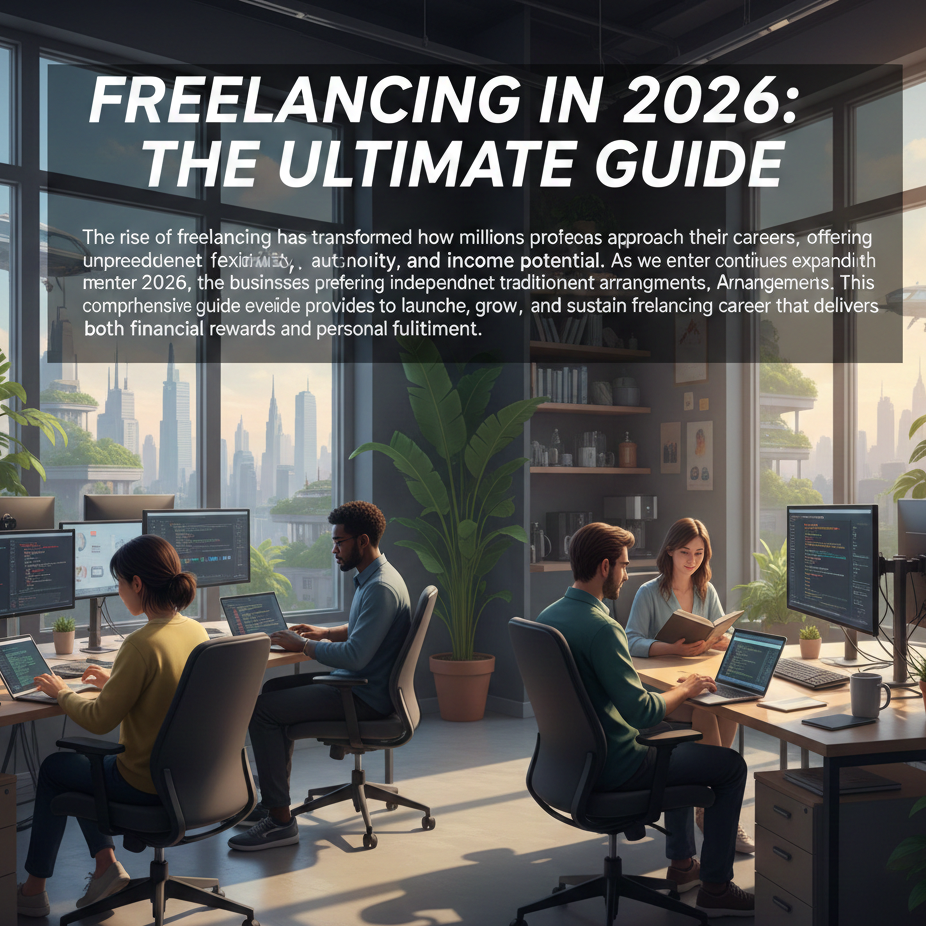
The rise of freelancing has transformed how millions of professionals approach their careers, offering unprecedented flexibility, autonomy, and income potential. As we enter 2026, the gig economy continues expanding with more businesses preferring independent talent over traditional employment arrangements. This comprehensive guide provides everything you need to launch, grow, and sustain a successful freelancing career that delivers both financial rewards and personal fulfillment.
visit our website – EasyNaukri4U – India’s Leading Government Job Portal
visit our resume builder – Government Jobs - EasyNaukri4U
“According to LinkedIn’s Global Talent Trends Report, recruiters spend an average of six to seven seconds reviewing each resume.”
The Freelancing Revolution in 2026

Understanding the Modern Freelance Economy
The landscape of freelancing has evolved dramatically from simple side gigs to sophisticated career paths rivaling traditional employment. Global platforms connect skilled professionals with clients worldwide, eliminating geographical barriers and creating opportunities previously unimaginable. Understanding this evolved ecosystem helps you position yourself strategically for success.
Technology advancements have made freelancing more accessible and profitable than ever before. AI tools enhance productivity, project management platforms streamline collaboration, and digital payment systems ensure reliable compensation. These developments reduce friction in freelance work while expanding possibilities for independent professionals.
Why Freelancing Appeals to Modern Professionals
The appeal of freelancing extends beyond simple schedule flexibility. Today’s professionals seek autonomy over their work, direct connection between effort and earnings, and freedom to pursue meaningful projects. These motivations drive talented individuals toward independent careers despite perceived risks.
Organizations increasingly embrace freelancing arrangements, recognizing benefits including specialized expertise, cost flexibility, and fresh perspectives. This demand-side growth creates abundant opportunities for skilled freelancers across virtually every industry and profession.
1. Identifying Your Freelance Niche

Assessing Your Marketable Skills
Successful freelancing begins with honest evaluation of skills that clients will pay for. Consider both technical capabilities and soft skills that differentiate your services. Your freelance niche should leverage existing strengths while addressing genuine market demands.
Analyze your professional experience for specialized knowledge that translates into freelance services. Your freelancing career benefits from expertise developed through previous employment, education, or personal projects. These foundations provide credibility and capability clients value.
Research market demand for potential services before committing to your niche. Successful freelancing requires alignment between your skills and what clients actively seek. Validate demand through job posting analysis, platform research, and conversations with potential clients.
Defining Your Unique Value Proposition
Differentiation matters tremendously in competitive freelancing markets. Identify what makes your approach, background, or results unique compared to alternatives. Your value proposition should clearly communicate why clients should choose you over other options.
Consider specializing within broader categories to reduce competition and command higher rates. Generalist freelancing often struggles against specialists who deeply understand specific niches. Focused positioning attracts ideal clients while justifying premium pricing.
For freelancing resources and career guidance, visit:
👉 https://easynaukri4u.com/
2. Building Your Freelance Foundation

Creating Professional Presence
Your online presence serves as storefront for your freelancing business. Develop professional website showcasing portfolio, testimonials, and service offerings. This digital hub establishes credibility and provides information clients need for hiring decisions.
Optimize LinkedIn and relevant platform profiles for your freelancing specialty. Include keywords clients might search, compelling summaries, and evidence of expertise. These profiles often provide first impressions determining whether prospects explore further.
Develop portfolio pieces demonstrating capabilities even before landing paying clients. Create spec work, personal projects, or volunteer contributions showcasing your skills. This evidence proves abilities more convincingly than claims alone in competitive freelancing markets.
Setting Up Business Infrastructure
Treat your freelancing activity as legitimate business from the start. Establish separate business banking, understand tax obligations, and consider appropriate business structure. This professional foundation prevents problems as your freelance income grows.
Invest in essential tools supporting efficient freelancing operations. Project management software, time tracking applications, invoicing platforms, and communication tools streamline workflows. The right technology stack enhances productivity and client experience.
Create templates for proposals, contracts, and invoices that present professional image while saving time on administrative tasks. Standardized documents also protect both parties and establish clear expectations in freelancing relationships.
3. Finding Freelance Clients
Leveraging Freelance Platforms

Online platforms provide accessible entry points for new freelancing careers. Upwork, Fiverr, Freelancer, and specialized platforms connect freelancers with clients seeking specific skills. Understanding platform dynamics helps you compete effectively and build initial reputation.
Optimize your platform profiles with compelling headlines, detailed descriptions, and relevant keywords. Platform algorithms favor complete, professional profiles when surfacing freelancing candidates to potential clients. Invest time in creating standout presence on chosen platforms.
Start with competitive pricing to build reviews and portfolio pieces on platforms. Early freelancing success often requires accepting lower rates in exchange for reputation building. Strategically increase rates as positive reviews and experience accumulate.
Direct Client Acquisition
Beyond platforms, successful freelancing requires developing direct client relationships offering better rates and conditions. Identify potential clients through industry research, social media engagement, and networking activities. Direct relationships typically prove more profitable long-term.
Develop outreach strategies that demonstrate value rather than simply requesting work. Your freelancing pitches should address specific client challenges with tailored solutions. Personalized, research-backed outreach generates significantly better response rates than generic messages.
Leverage existing networks for referrals and introductions to potential clients. Word-of-mouth remains powerful in freelancing, with satisfied clients and professional contacts often providing highest-quality leads. Actively cultivate referral relationships through excellent service and appropriate requests.
4. Pricing Your Freelance Services
Understanding Pricing Strategies
Pricing represents one of the most challenging aspects of freelancing for many professionals. Underpricing devalues your work and creates unsustainable business models, while overpricing limits opportunities and growth. Finding appropriate rates requires market research and strategic positioning.
Consider different pricing models including hourly rates, project-based fees, retainer arrangements, and value-based pricing. Each model suits different freelancing situations and client preferences. Flexibility in pricing approach expands your potential client base.
Research market rates for comparable services in your specialty and location. Your freelancing rates should reflect your experience level, specialization, and the value you provide. Position yourself appropriately within market ranges based on these factors.
Increasing Your Rates Over Time
Plan for regular rate increases as your freelancing expertise and reputation develop. Document achievements, positive outcomes, and client testimonials supporting higher pricing. This evidence builds confidence for rate discussions with new and existing clients.
Communicate rate increases professionally to existing clients with adequate notice. Most clients expect freelancing rates to increase over time and accept reasonable adjustments. Frame increases around enhanced value and market alignment rather than personal need.
To explore more freelancing tips and career resources, visit:
👉 https://easynaukri4u.com/
5. Managing Client Relationships
Setting Clear Expectations
Successful freelancing relationships depend on clearly established expectations from the outset. Define project scope, deliverables, timelines, communication preferences, and revision policies before beginning work. Written agreements prevent misunderstandings and protect both parties.
Communicate proactively throughout projects rather than waiting for client inquiries. Regular updates build trust and demonstrate professionalism in your freelancing practice. Clients appreciate knowing project status without needing to chase for information.
Address scope changes formally through change requests rather than absorbing additional work without compensation. Scope creep represents significant challenge in freelancing, eroding profitability and creating resentment when unmanaged.
Handling Difficult Situations
Every freelancing career encounters challenging clients or problematic projects. Develop strategies for addressing conflicts professionally while protecting your interests. Documentation, clear communication, and appropriate boundaries help navigate difficulties.
Know when to end client relationships that prove consistently problematic. Some freelancing clients cost more in stress and time than they provide in revenue. Graceful exits from toxic relationships protect your well-being and create space for better opportunities.
Learn from challenging experiences to improve client screening and project management. Each difficult situation in freelancing provides lessons for preventing similar problems in future engagements.
6. Time Management for Freelancers
Creating Productive Routines
Without external structure, freelancing requires self-imposed routines supporting productivity and work-life balance. Establish consistent working hours, dedicated workspace, and daily rituals that signal work mode to your brain.
Protect time for deep work on client projects by minimizing interruptions during focused periods. The flexibility of freelancing can become liability when constant availability fragments attention and reduces output quality.
Balance client work with business development activities including marketing, skill development, and administrative tasks. Sustainable freelancing requires ongoing investment in these non-billable activities despite the temptation to maximize billable hours.
Managing Multiple Projects
Most freelancing careers involve juggling multiple clients and projects simultaneously. Develop systems for tracking deadlines, managing priorities, and ensuring nothing falls through cracks. Project management tools designed for freelancers support this complexity.
Avoid overcommitment by accurately estimating time requirements and maintaining buffer capacity. Overloaded freelancing schedules lead to missed deadlines, quality problems, and burnout. Learn to decline or defer work when approaching capacity limits.
7. Financial Management for Freelancers
Income Stability Strategies
Income variability represents significant freelancing challenge compared to traditional employment. Develop strategies for smoothing income fluctuations including emergency funds, retainer arrangements, and diversified client bases.
Build financial reserves covering three to six months of expenses before relying fully on freelancing income. This buffer provides security during slow periods and reduces pressure to accept unsuitable projects.
Pursue retainer arrangements providing predictable monthly income alongside project-based work. Long-term freelancing clients offering consistent work create stability foundations supporting overall business health.
Tax and Legal Considerations
Understand tax obligations specific to freelancing in your jurisdiction. Self-employment taxes, quarterly estimated payments, and deductible expenses differ from employee taxation. Consider professional tax advice to optimize your situation.
Maintain meticulous financial records supporting tax compliance and business analysis. Track all income, expenses, and client payments systematically. Good records make freelancing tax preparation straightforward while supporting business improvement decisions.
8. Scaling Your Freelance Business
Expanding Service Offerings
Growth in freelancing often involves expanding services offered to existing clients. Identify complementary services you could provide or develop through skill acquisition. Broader offerings increase per-client revenue and strengthen relationships.
Consider productizing services through standardized packages or digital products. Productized freelancing offerings scale better than purely custom services while still leveraging your expertise. These options create passive or semi-passive income streams.
Building a Freelance Team
Successful freelancing sometimes evolves into agency models where you manage other freelancers. Subcontracting allows taking larger projects while focusing on highest-value activities. This transition requires different skills including project management and team coordination.
Carefully consider whether team building aligns with your freelancing goals. Some professionals prefer remaining solo for simplicity and direct client relationships. Others enjoy building larger operations. Neither path is inherently superior.
9. Professional Development
Continuous Skill Enhancement
Markets evolve continuously, requiring ongoing skill development to maintain freelancing competitiveness. Invest regularly in learning new technologies, methodologies, and industry knowledge relevant to your specialty.
Balance depth and breadth in your professional development. Deep expertise justifies premium rates in freelancing, while broader knowledge enables serving diverse client needs. Strategic learning investments support long-term career success.
Industry Engagement
Stay connected with industry developments through communities, publications, and events. Active engagement enhances your freelancing reputation while providing valuable market intelligence. Contribution to professional communities also generates networking opportunities and referrals.
For comprehensive freelancing resources and tools, visit:
👉 https://easynaukri4u.com/
10. Maintaining Well-being
Avoiding Freelance Burnout
The always-available nature of freelancing can lead to overwork and burnout without intentional prevention. Establish boundaries around working hours, vacation time, and client communication that protect your well-being.
Recognize burnout warning signs including chronic exhaustion, cynicism about work, and declining quality. Early intervention prevents severe burnout that could derail your freelancing career entirely.
Building Support Systems
Freelancing can feel isolating compared to traditional office environments. Build communities of fellow freelancers, mentors, and supporters who understand independent work challenges. These connections provide practical advice and emotional support.
Consider coworking spaces or regular meetups that provide social interaction alongside focused work environment. The isolation of solo freelancing affects many professionals negatively over time.
Common Freelancing Mistakes to Avoid
Undervaluing Your Services
Many professionals new to freelancing significantly underprice their services. Research market rates thoroughly and price confidently based on your value. Underpricing attracts problematic clients while creating unsustainable business models.
Neglecting Contracts
Verbal agreements create risk in freelancing relationships. Always use written contracts specifying scope, payment terms, and other essential details. Contracts protect both parties and demonstrate professionalism.
Poor Client Selection
Not every potential client represents good opportunity. Develop screening processes identifying red flags before accepting freelancing engagements. Problematic clients often reveal warning signs during initial interactions.
Future of Freelancing
Emerging Trends
AI integration, blockchain-based platforms, and evolving work cultures will shape freelancing in coming years. Stay informed about trends affecting independent work and adapt your approach accordingly.
Preparing for Change
Build adaptability into your freelancing career by maintaining diverse skills, strong networks, and financial reserves. Flexibility enables navigating inevitable changes in the freelance landscape successfully.
Conclusion
Building a successful freelancing career in 2026 offers tremendous potential for professionals willing to develop necessary skills, systems, and mindsets. The strategies outlined in this guide provide framework for launching, growing, and sustaining independent careers that deliver both financial rewards and personal satisfaction.
Remember that successful freelancing requires treating your work as legitimate business deserving professional attention to marketing, operations, and client relationships. Approach your freelance career with this seriousness while enjoying the freedom and flexibility it provides.
Start your freelancing journey today by identifying your niche, building your foundation, and taking action on client acquisition. Each step forward builds momentum toward the independent career you envision. Your commitment to excellence in freelancing determines your ultimate success and fulfillment.
Take action now by assessing your skills, researching your market, and creating your professional presence. The freelancing economy welcomes skilled professionals ready to deliver value to clients worldwide. Your journey toward freelance success begins with the first step taken today.