Interview Preparation: Master Your Job Interview in 2026
BlogIntroduction
Successful interview preparation has become the defining factor between landing your dream job and missing crucial opportunities in today’s competitive market. As we approach 2026, the interview landscape continues evolving with virtual assessments, AI-powered screenings, and behavioral evaluations becoming standard practice. This comprehensive guide provides essential strategies for mastering your interview preparation, helping you present your best self and secure the position you deserve.
visit our website – EasyNaukri4U – India’s Leading Government Job Portal
visit our resume builder – Government Jobs - EasyNaukri4U
“According to LinkedIn’s Global Talent Trends Report, recruiters spend an average of six to seven seconds reviewing each resume.”
The Evolution of Interviews in 2026
Understanding Modern Interview Formats
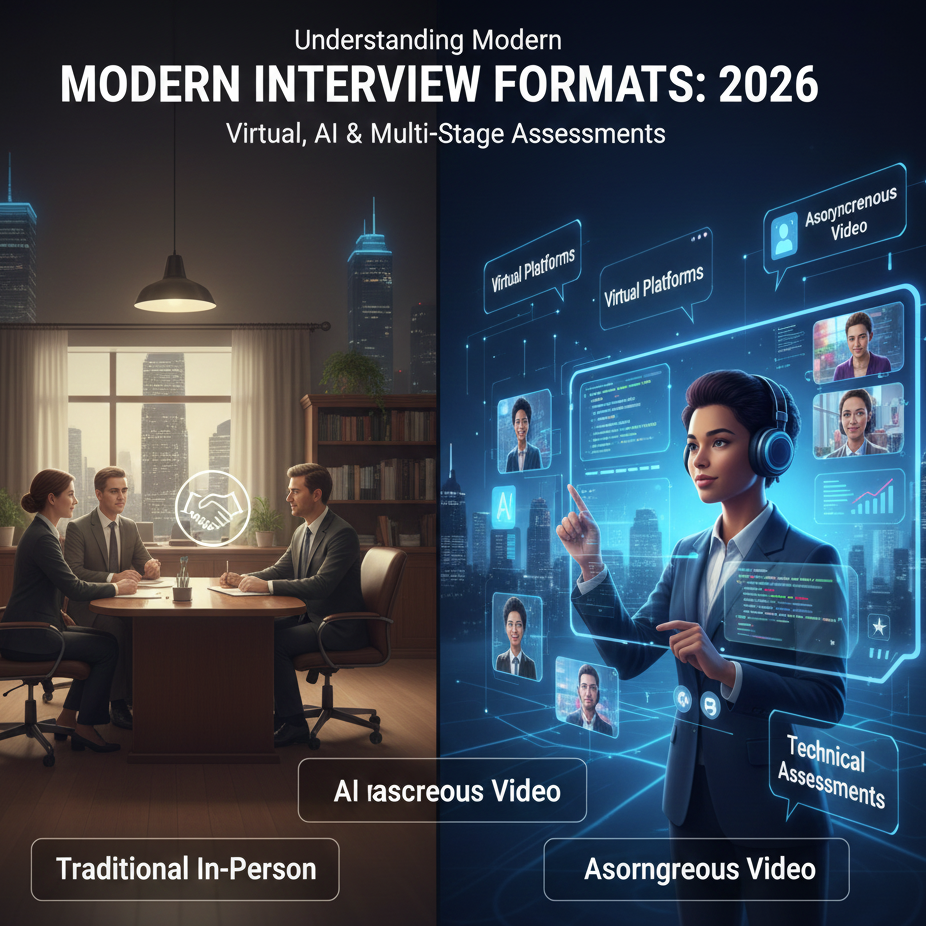
The traditional single-round, in-person interview has transformed into multi-stage processes incorporating various assessment methods. Today’s interview preparation must account for video interviews, AI prescreening, technical assessments, and panel discussions. Understanding these formats and preparing specifically for each ensures comprehensive readiness for any interview scenario.
Virtual interviews have become permanent fixtures in hiring processes, requiring different skills than traditional face-to-face meetings. Your interview preparation must include technical proficiency with video platforms, understanding of virtual etiquette, and ability to build rapport through screens. Organizations increasingly use asynchronous video interviews where candidates record responses to predetermined questions, demanding different preparation strategies.
The Role of Technology in Modern Interviews
Artificial intelligence and automated assessment tools are reshaping how companies evaluate candidates. Your interview preparation should include understanding how AI analyzes responses, facial expressions, and vocal patterns. While human judgment remains crucial, initial screenings often involve algorithmic evaluation of keywords, sentiment, and behavioral indicators.
1. Foundational Interview Preparation Strategies
Comprehensive Company Research
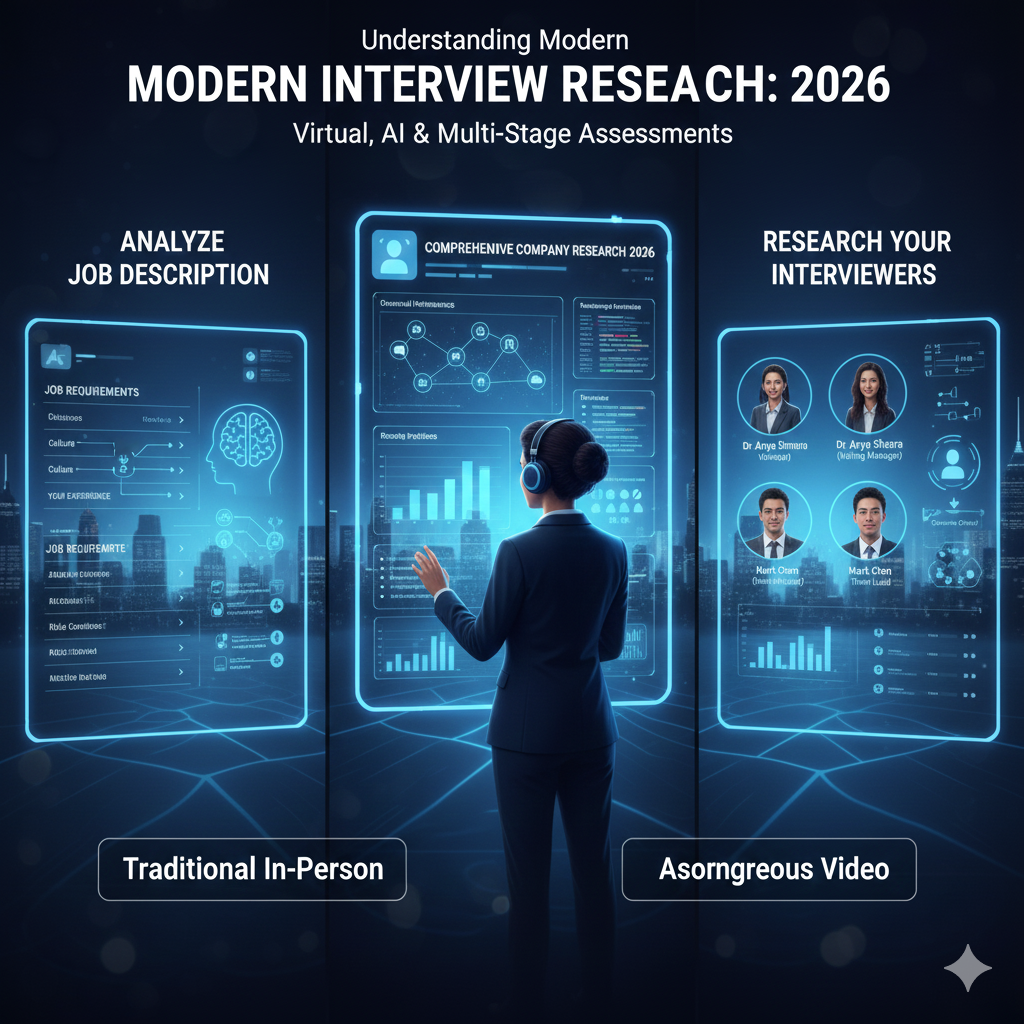
Thorough company research forms the cornerstone of effective interview preparation. Beyond reviewing the company website, investigate recent news, financial performance, competitive landscape, and industry trends. Understanding organizational culture, values, and strategic priorities enables you to align responses with company needs and demonstrate genuine interest.
Analyze the job description meticulously, identifying key requirements, preferred qualifications, and underlying needs. Your interview preparation should include mapping your experiences to each requirement and preparing specific examples demonstrating relevant capabilities. Understanding the role’s context within organizational structure helps position yourself as the ideal solution to their challenges.
Research your interviewers when possible, reviewing their LinkedIn profiles and professional backgrounds. This knowledge enables more personalized conversation and helps identify common ground. However, maintain professional boundaries and avoid overly personal references during the interview.
Self-Assessment and Story Development
Effective interview preparation requires honest self-evaluation and strategic story development. Identify your unique value proposition, key accomplishments, and differentiating factors. Develop a personal brand narrative that coherently connects your past experiences with future contributions to the prospective employer.
Create a comprehensive inventory of professional achievements using the STAR method (Situation, Task, Action, Result). Your interview preparation should include 10-15 detailed stories demonstrating various competencies like leadership, problem-solving, teamwork, and innovation. Quantify results whenever possible, using metrics that resonate with business impact.
For comprehensive interview resources and career guidance, visit:
👉 https://easynaukri4u.com/
Anticipating and Preparing for Common Questions
While every interview is unique, certain questions appear consistently across industries and roles. Your interview preparation should include polished responses to standard questions while maintaining authenticity and avoiding scripted delivery. Practice articulating answers concisely while providing sufficient detail to demonstrate expertise.
Prepare for behavioral questions by identifying situations demonstrating key competencies. Modern interviews emphasize past behavior as predictor of future performance. Your stories should showcase growth, learning from challenges, and ability to navigate complex situations. Balance positive achievements with examples of overcoming adversity or learning from failures.
2. Mastering Different Interview Types
Behavioral Interview Excellence
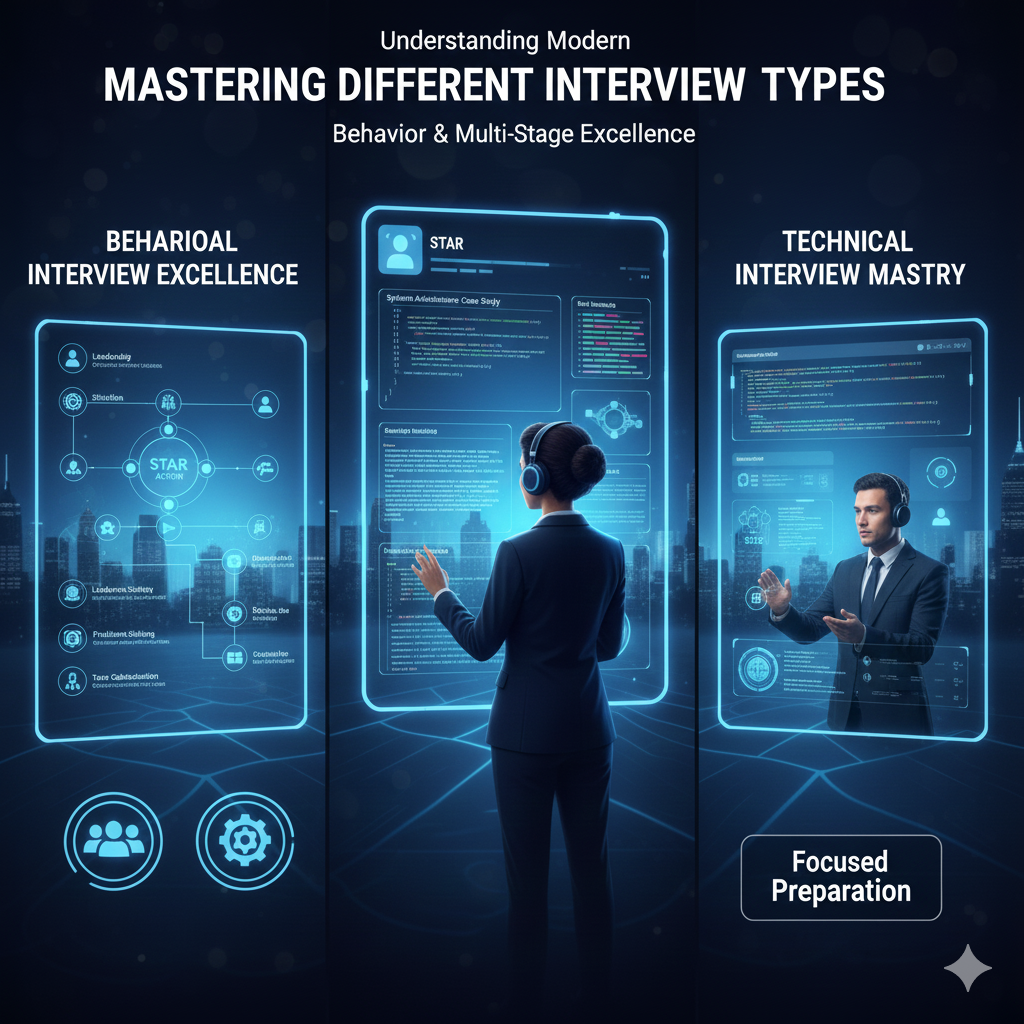
Behavioral interviews require specific interview preparation focusing on past experiences and actions. Employers seek evidence of how you’ve handled situations similar to those you’ll encounter in the target role. Structure responses clearly, providing context, explaining your specific actions, and highlighting measurable outcomes.
Develop variations of core stories to address different behavioral competencies. A single project might demonstrate leadership, problem-solving, and stakeholder management depending on emphasis. This flexibility in your interview preparation enables you to respond naturally while ensuring relevance to specific questions.
Practice active listening to ensure you understand what interviewers actually seek before responding. Many candidates rush to answer without fully comprehending the question, missing opportunities to showcase relevant experiences. Take brief pauses to organize thoughts before responding, demonstrating thoughtfulness and communication skills.
Technical Interview Mastery
Technical interviews require specialized interview preparation beyond soft skills and behavioral responses. Whether demonstrating coding abilities, solving case studies, or explaining technical concepts, preparation must include hands-on practice with relevant tools and methodologies. Understanding the technical requirements of your target role guides focused preparation efforts.
Practice explaining complex technical concepts to non-technical audiences, as many interviews include stakeholders from various backgrounds. Your ability to translate technical details into business value demonstrates communication skills essential for career advancement. Include visual aids or simplified analogies in your preparation repertoire.
Prepare for practical demonstrations or whiteboard sessions by practicing problem-solving approaches aloud. Technical interview preparation should include verbalizing thought processes, as interviewers often value approach and reasoning over perfect solutions. Be prepared to discuss trade-offs, alternative solutions, and optimization strategies.
Panel and Group Interviews
Panel interviews require adjusted interview preparation strategies to engage multiple stakeholders simultaneously. Research panel members’ roles and potential priorities to tailor responses appropriately. Prepare to address diverse perspectives while maintaining consistent messaging throughout the discussion.
Practice managing group dynamics, ensuring equal engagement with all panel members through eye contact and inclusive responses. Your interview preparation should include strategies for handling conflicting opinions or challenging questions from multiple directions. Develop techniques for respectfully redirecting or clarifying when faced with unclear or compound questions.
3. Virtual Interview Optimization
Technical Setup and Environment
Virtual interviews demand meticulous interview preparation of your technical setup and physical environment. Test your internet connection, camera, microphone, and interview platform well before the scheduled time. Have backup plans for technical failures, including alternative devices or phone numbers for audio-only participation.
Create a professional backdrop free from distractions and inappropriate items. Ensure adequate lighting illuminates your face without creating shadows or glare. Your interview preparation should include testing your setup at the same time of day as your interview to account for lighting changes.
Position your camera at eye level to maintain natural eye contact and professional appearance. Practice looking at the camera rather than your screen when speaking, creating better connection with interviewers. Close unnecessary applications to prevent notifications and ensure optimal computer performance during the interview.
Virtual Presence and Communication
Developing strong virtual presence requires specific interview preparation techniques different from in-person interactions. Amplify your energy and enthusiasm to compensate for the flatness of video communication. Use deliberate gestures and facial expressions to convey engagement and interest.
Master the art of virtual conversation flow, including managing delays and avoiding interruptions. Your interview preparation should include practicing with friends or mentors via video to refine virtual communication skills. Learn to read virtual room dynamics and adjust your communication style accordingly.
Prepare materials for screen sharing if relevant to your role. Organize documents, portfolios, or presentations for easy access during the interview. Practice smooth transitions between speaking and screen sharing to maintain professional flow during technical demonstrations.
4. Advanced Communication Strategies
Storytelling and Engagement
Transform your experiences into compelling narratives that engage interviewers and memorably convey your value. Effective interview preparation includes crafting stories with clear beginnings, challenges, actions, and resolutions. Use specific details and emotional elements to make stories relatable and impactful.
Practice modulating your voice to maintain interest during longer responses. Vary your pace, tone, and volume to emphasize key points and maintain engagement. Your interview preparation should include recording yourself to identify and eliminate filler words, repetitive phrases, or distracting mannerisms.
Develop techniques for concise communication when time is limited. Practice delivering elevator pitches for your key accomplishments, adjusting length based on interview context. Master the art of reading interviewer cues to determine when elaboration is welcome versus when brevity is preferred.
Handling Difficult Questions
Your interview preparation must include strategies for navigating challenging questions about gaps, weaknesses, or sensitive topics. Develop honest but strategic responses that acknowledge issues while redirecting focus toward positive attributes and growth. Never lie or misrepresent facts, as dishonesty inevitably surfaces and destroys credibility.
Prepare for illegal or inappropriate questions by understanding your rights and developing diplomatic deflection techniques. Your response strategy should maintain professionalism while protecting personal boundaries. Practice redirecting inappropriate questions toward relevant professional qualifications.
To explore more interview strategies and career resources, visit:
👉 https://easynaukri4u.com/
5. Questions to Ask Interviewers
Strategic Question Development
Thoughtful questions demonstrate engagement and help evaluate organizational fit. Your interview preparation should include developing 10-15 insightful questions addressing role specifics, team dynamics, organizational culture, and growth opportunities. Avoid questions easily answered through basic research, focusing instead on insider perspectives.
Frame questions to elicit valuable information while showcasing your strategic thinking. Ask about challenges facing the team, success metrics for the role, or organizational priorities for the coming year. These questions demonstrate business acumen while providing crucial information for your decision-making.
Prepare follow-up questions based on likely responses, showing active listening and genuine interest. Your interview preparation should include practicing natural conversation flow rather than rigidly adhering to predetermined questions. Adapt your questions based on information gathered during the interview.
Reading Between the Lines
Use interviewer responses to assess organizational culture and role realities. Notice what excites them versus what causes hesitation. Pay attention to how they describe team dynamics, work-life balance, and growth opportunities. These subtle cues provide valuable insights beyond official messaging.
Ask about typical career progression paths and professional development opportunities. Understanding advancement potential helps evaluate long-term fit. Your interview preparation should include questions revealing whether the organization invests in employee growth or expects self-directed development.
6. Body Language and Non-Verbal Communication
Projecting Confidence Through Posture
Your physical presence significantly impacts interview outcomes regardless of qualifications. Interview preparation must include practicing confident posture, maintaining open body language, and projecting enthusiasm through physical presence. Sit upright with shoulders back, leaning slightly forward to demonstrate engagement.
Practice power poses before interviews to boost confidence and reduce stress hormones. Your interview preparation should include techniques for managing nervous habits like fidgeting, pen clicking, or excessive hand movements. Develop awareness of your natural tendencies under stress and create strategies for maintaining composure.
Master appropriate eye contact, balancing engagement without intensity. In panel interviews, distribute eye contact among all participants while focusing on the current questioner. Practice maintaining pleasant facial expressions even when concentrating on complex questions.
Cultural Considerations
Understand cultural norms regarding physical interaction, eye contact, and personal space relevant to your interview context. International companies or diverse interview panels may have varying expectations for appropriate non-verbal communication. Your interview preparation should include researching cultural considerations for professional interactions.
7. Post-Interview Strategy
Effective Follow-Up Communication
Your interview preparation extends beyond the interview itself to include strategic follow-up. Send personalized thank-you notes within 24-48 hours, referencing specific conversation points and reiterating interest. Avoid generic templates, crafting unique messages for each interviewer when possible.
Use follow-up communication to address any concerns or misunderstandings from the interview. If you realize you inadequately answered a question, provide clarification or additional information. However, avoid overwhelming interviewers with excessive communication or appearing desperate.
Include relevant materials or portfolio pieces discussed during the interview but not shared. Your interview preparation should include organizing these materials for quick distribution if requested. Ensure all shared materials are professional and directly relevant to the role.
Managing Multiple Opportunities
When pursuing multiple positions simultaneously, maintain organized records of each interview process. Track questions asked, responses given, and next steps for each opportunity. This organization prevents confusion and ensures consistent messaging throughout various selection processes.
Develop strategies for managing timing when multiple offers might materialize. Your interview preparation should include practicing diplomatic ways to request decision timelines or extensions when needed. Balance demonstrating interest with maintaining leverage through multiple options.
8. Special Circumstances and Unique Situations
Career Change Interviews
Interview preparation for career changers requires special attention to explaining transitions and demonstrating transferable skills. Develop compelling narratives connecting previous experience to target roles. Emphasize universal competencies while acknowledging learning requirements.
Prepare concrete examples showing relevant skills from non-traditional contexts. Your stories should explicitly connect past achievements to future contributions. Address the career change proactively rather than hoping it won’t arise during discussion.
Executive and Leadership Interviews
Senior-level positions require adjusted interview preparation focusing on strategic vision, leadership philosophy, and organizational impact. Prepare to discuss leadership challenges, change management experiences, and strategic decision-making processes.
Research the organization’s strategic challenges and prepare initial thoughts on addressing them. Executive interviews often involve case studies or strategic discussions requiring immediate insight. Your preparation should include frameworks for analyzing business situations and articulating strategic approaches.
9. Salary Negotiation Preparation
Research and Benchmarking
Comprehensive salary research forms essential interview preparation for successful negotiation. Understand market rates for similar roles considering location, industry, company size, and experience level. Use multiple sources including salary surveys, online platforms, and professional networks for accurate benchmarking.
Prepare total compensation discussions beyond base salary. Understanding bonus structures, equity compensation, benefits packages, and professional development opportunities enables comprehensive evaluation. Your interview preparation should include prioritizing compensation elements based on personal needs and career goals.
Negotiation Strategy Development
Develop negotiation approaches that maintain positive relationships while advocating for fair compensation. Your interview preparation should include practicing articulation of value proposition and market-based justification for compensation expectations.
Prepare responses for various negotiation scenarios including initial offers below expectations. Develop strategies for creating win-win solutions through creative compensation structuring. Practice maintaining professionalism regardless of negotiation outcomes.
10. Continuous Improvement and Learning
Post-Interview Analysis
Every interview provides learning opportunities regardless of outcome. Conduct thorough post-interview analysis identifying strengths, areas for improvement, and lessons learned. This reflection enhances future interview preparation and builds interviewing expertise over time.
Request feedback when possible, even after unsuccessful interviews. Many organizations provide general feedback that helps identify improvement areas. Use this information to refine your preparation strategies and address weaknesses.
Staying Current with Interview Trends
The interview landscape continues evolving with new technologies and assessment methods. Your ongoing interview preparation should include staying informed about emerging interview formats, tools, and expectations. Join professional communities discussing interview experiences and sharing strategies.
Practice with new interview technologies as they emerge. Familiarity with various platforms and assessment tools reduces anxiety and improves performance. Maintain readiness for unexpected interview opportunities by keeping your preparation materials updated and skills sharp.
For additional interview preparation resources and career tools, visit:
👉 https://easynaukri4u.com/
Conclusion
Mastering interview preparation in 2026 requires comprehensive strategies addressing diverse formats, technologies, and expectations. Success comes from thorough preparation, authentic presentation, and continuous refinement of interview skills. The strategies presented in this guide provide framework for developing personalized preparation approaches aligned with your career goals.
Remember that effective interview preparation balances thorough planning with natural authenticity. Over-rehearsing can create stiff, unconvincing presentations, while under-preparing leaves you vulnerable to preventable mistakes. Find your optimal preparation level that builds confidence while maintaining genuine engagement.
Start implementing these interview preparation strategies today, even if you’re not actively job searching. Regular practice maintains interview readiness for unexpected opportunities. Build your story inventory, refine your personal brand, and develop comfort with various interview formats. Your investment in interview preparation pays dividends throughout your career journey.
Take action now by scheduling mock interviews, updating your professional narratives, and practicing with emerging interview technologies. Each interview experience, whether successful or not, contributes to your growing expertise. Approach your next interview with confidence, knowing that thorough interview preparation has positioned you for success in achieving your career aspirations.