Top 10 In-Demand Skills You Need to Master for 2026
BlogIntroduction
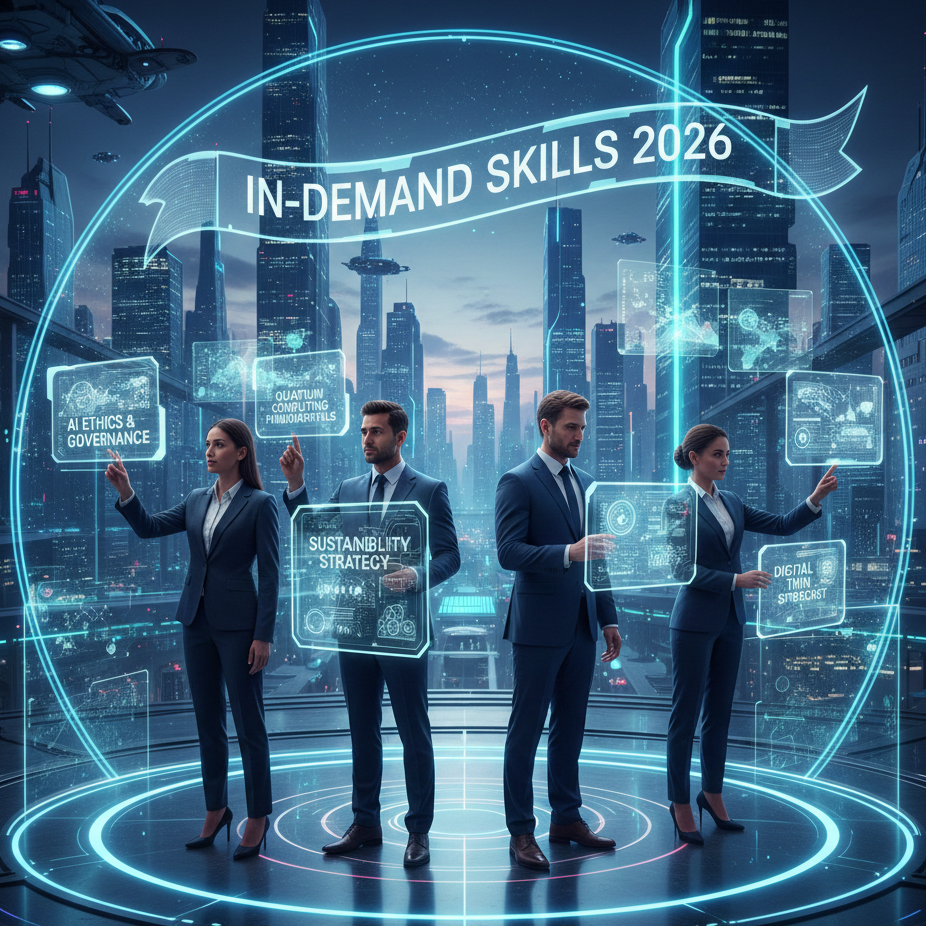
The professional landscape continues evolving at unprecedented speed, making it crucial to identify and develop in-demand skills that will define career success in 2026. As artificial intelligence, automation, and digital transformation reshape industries globally, professionals must strategically acquire competencies that remain valuable and irreplaceable. This comprehensive guide explores the most critical in-demand skills for 2026, providing actionable insights on how to develop these capabilities and position yourself for future career opportunities.
visit our website – EasyNaukri4U – India’s Leading Government Job Portal
visit our resume builder – Government Jobs - EasyNaukri4U
“According to LinkedIn’s Global Talent Trends Report, recruiters spend an average of six to seven seconds reviewing each resume.”
Understanding the Future Job Market Landscape
The Impact of Technological Advancement
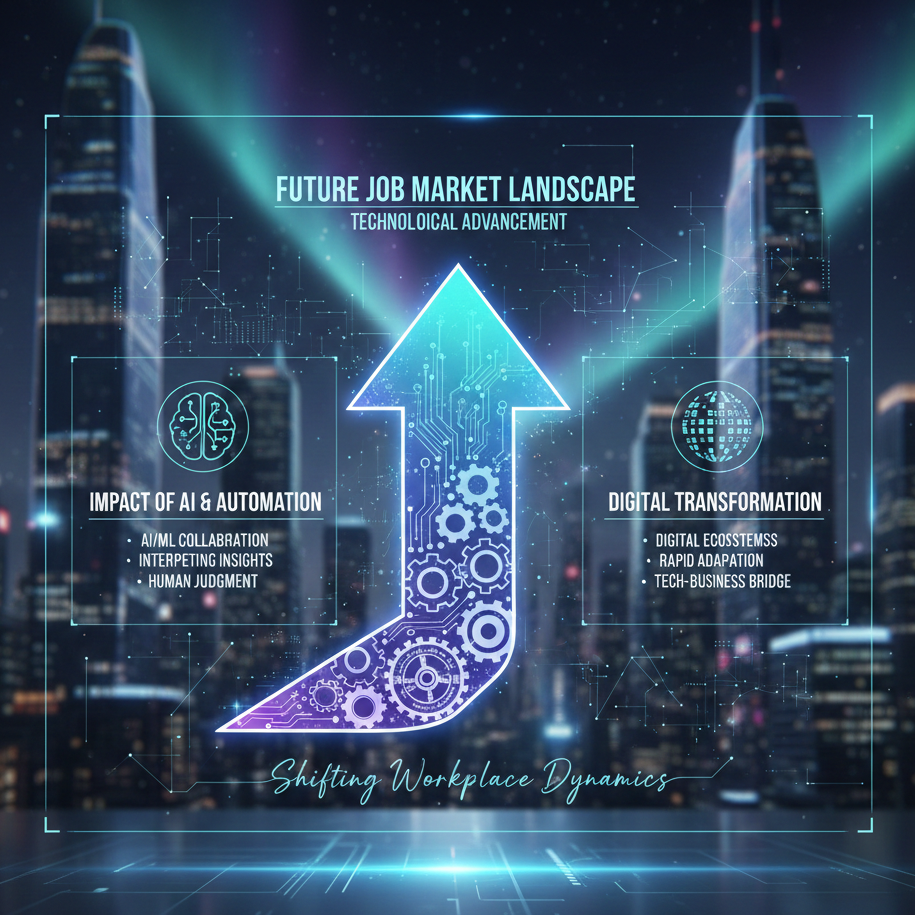
The acceleration of technological innovation fundamentally transforms which in-demand skills employers prioritize. Artificial intelligence and machine learning are no longer confined to tech companies but permeate every industry from healthcare to retail. Organizations seek professionals who can work alongside AI systems, interpret automated insights, and apply human judgment where machines fall short.
Digital transformation initiatives have become survival imperatives rather than competitive advantages. Companies require employees who understand digital ecosystems, can adapt to new technologies quickly, and bridge the gap between technical capabilities and business objectives. These in-demand skills extend beyond IT departments to encompass every organizational function.
Shifting Workplace Dynamics
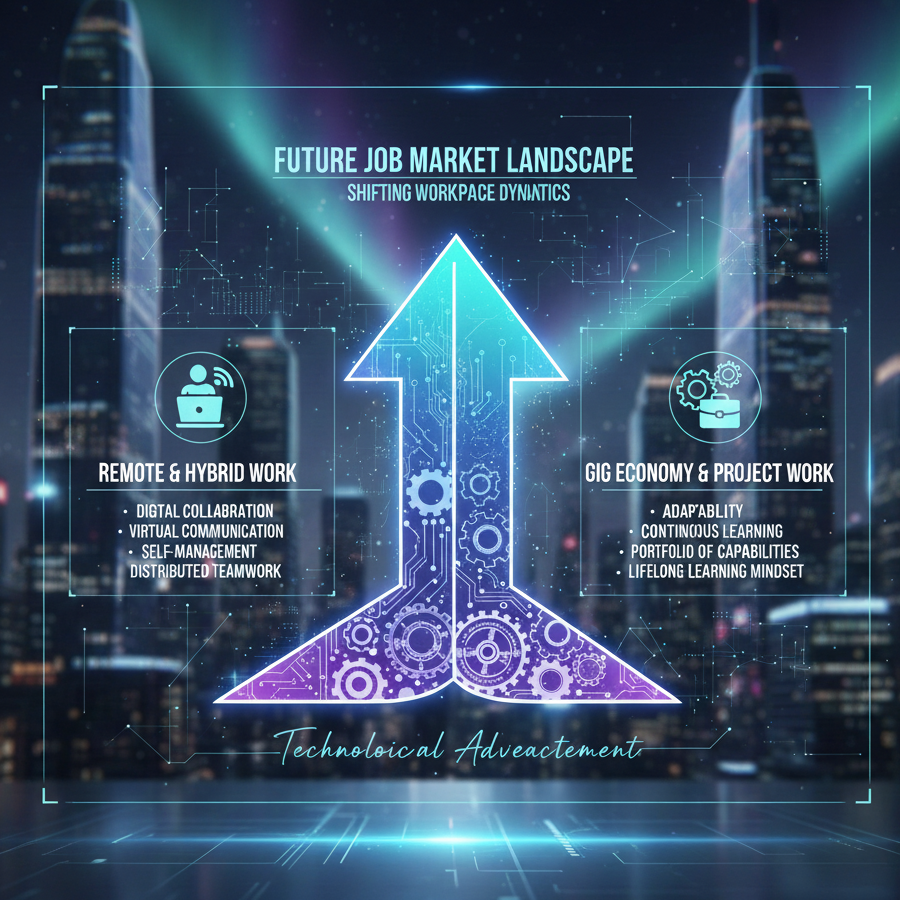
Remote and hybrid work arrangements have permanently altered professional expectations and required competencies. The most in-demand skills now include digital collaboration, virtual communication, and self-management capabilities that enable productivity regardless of physical location. Organizations value professionals who thrive in distributed teams and maintain high performance without constant supervision.
The gig economy and project-based work continue expanding, making adaptability and continuous learning essential in-demand skills for career longevity. Professionals must develop portfolios of complementary capabilities rather than relying on single skill sets. This shift requires embracing lifelong learning mindsets and actively pursuing skill development throughout careers.
1. Artificial Intelligence and Machine Learning Literacy
Why AI Skills Matter for Everyone
Understanding artificial intelligence represents one of the most crucial in-demand skills for 2026, regardless of your industry or role. You don’t need to become a machine learning engineer, but comprehending AI capabilities, limitations, and applications becomes essential for informed decision-making. Professionals who can identify AI opportunities, collaborate with technical teams, and implement AI solutions effectively will find themselves highly valued.
Organizations increasingly seek employees who can translate between technical AI capabilities and practical business applications. This involves understanding how machine learning models work, recognizing appropriate use cases, and managing AI-enhanced workflows. These in-demand skills enable professionals to leverage AI tools for productivity gains while maintaining human oversight and ethical considerations.
Developing AI Competencies
Building AI-related in-demand skills starts with foundational knowledge of machine learning concepts, data analysis, and algorithmic thinking. Online courses, certifications, and hands-on projects provide accessible pathways to develop these capabilities. Focus on understanding AI applications within your specific field rather than attempting to master all aspects of artificial intelligence.
Practical experience with AI tools and platforms accelerates skill development. Experiment with no-code AI platforms, explore industry-specific AI applications, and participate in AI implementation projects within your organization. Document your learning journey and showcase AI projects in your professional portfolio to demonstrate these valuable in-demand skills.
For career resources and skill development opportunities, visit:
👉 https://easynaukri4u.com/
2. Data Analysis and Interpretation
The Universal Need for Data Skills
Data literacy has evolved from specialized expertise to fundamental professional competency. Among in-demand skills for 2026, the ability to collect, analyze, and derive insights from data ranks consistently high across all industries. Organizations generate massive data volumes requiring professionals who can transform raw information into actionable intelligence.
Beyond basic spreadsheet proficiency, modern data skills encompass statistical analysis, data visualization, and predictive modeling. Professionals need to understand data quality issues, recognize patterns and anomalies, and communicate findings effectively to diverse stakeholders. These in-demand skills enable evidence-based decision-making and strategic planning across organizational levels.
Building Data Proficiency
Developing data-related in-demand skills requires both theoretical understanding and practical application. Start with foundational statistics and data analysis concepts before progressing to specialized tools like Python, R, or Tableau. Focus on industry-relevant applications rather than abstract mathematical theory.
Create personal data projects analyzing publicly available datasets relevant to your field. Share visualizations and insights through blogs or professional networks to demonstrate your analytical capabilities. Pursue certifications from recognized platforms to validate your data skills and enhance professional credibility.
3. Cybersecurity Awareness
Security as Everyone’s Responsibility
Cybersecurity has transcended IT departments to become everyone’s concern, making security awareness one of the critical in-demand skills for all professionals. With increasing cyber threats and remote work vulnerabilities, organizations need employees who understand security best practices and actively protect digital assets.
These in-demand skills include recognizing phishing attempts, managing passwords securely, understanding data privacy regulations, and following security protocols. Professionals who demonstrate security consciousness and can identify potential vulnerabilities add significant value to organizations concerned about digital threats.
Developing Security Mindsets
Building cybersecurity in-demand skills begins with understanding common threats and attack vectors. Complete basic security awareness training and stay informed about evolving cyber threats relevant to your industry. Implement strong personal security practices as demonstrations of your security consciousness.
Consider pursuing entry-level security certifications to formalize your knowledge and demonstrate commitment to organizational security. Participate in security awareness initiatives within your organization and share security best practices with colleagues.
4. Emotional Intelligence and Empathy
The Irreplaceable Human Element
As automation handles routine tasks, emotional intelligence emerges among the most valuable in-demand skills that technology cannot replicate. The ability to understand, manage, and respond to emotions—both your own and others’—becomes increasingly critical for leadership, collaboration, and customer interaction roles.
Organizations recognize that employees with high emotional intelligence drive better team dynamics, resolve conflicts effectively, and create positive workplace cultures. These in-demand skills enable professionals to navigate complex interpersonal situations, build strong relationships, and influence outcomes through understanding human motivations and behaviors.
Cultivating Emotional Intelligence
Developing emotional intelligence as one of your in-demand skills requires self-awareness, practice, and feedback. Start by understanding your emotional patterns, triggers, and responses. Practice active listening, seek to understand different perspectives, and develop empathy through diverse experiences and interactions.
Pursue formal training in emotional intelligence, conflict resolution, or interpersonal communication. Request feedback on your interpersonal skills and actively work on identified improvement areas. Document situations where emotional intelligence contributed to positive outcomes in your professional portfolio.
5. Creative Problem-Solving
Innovation Through Human Creativity
Creative problem-solving ranks among the top in-demand skills precisely because it represents uniquely human capabilities that complement technological solutions. Organizations face increasingly complex challenges requiring innovative approaches that blend analytical thinking with creative insight.
These in-demand skills involve approaching problems from multiple angles, challenging assumptions, generating novel solutions, and synthesizing diverse information sources. Professionals who can think outside conventional frameworks and develop innovative solutions to emerging challenges become invaluable assets.
Enhancing Creative Capabilities
Strengthen creative problem-solving in-demand skills through deliberate practice and diverse experiences. Engage in creative exercises, explore different problem-solving methodologies, and study solutions from unrelated fields for inspiration. Collaborate with professionals from different backgrounds to gain new perspectives.
Document your problem-solving processes and innovative solutions in case studies. Participate in hackathons, innovation challenges, or creative projects that showcase your ability to generate unique solutions. Build a reputation as someone who brings fresh perspectives to challenging problems.
To explore more skill development resources, visit:
👉 https://easynaukri4u.com/
6. Digital Marketing and Online Presence Management
Personal Branding in Digital Age
Understanding digital marketing principles has become one of the essential in-demand skills for professionals across all fields. Whether promoting products, services, or personal brands, the ability to navigate digital channels effectively determines professional visibility and influence.
These in-demand skills encompass content creation, social media strategy, search engine optimization, and online reputation management. Professionals who can build and maintain strong digital presences, engage audiences effectively, and leverage digital platforms for professional growth gain significant career advantages.
Building Digital Marketing Expertise
Develop digital marketing in-demand skills through hands-on practice with your personal brand. Create professional profiles across relevant platforms, develop content strategies, and analyze engagement metrics. Experiment with different content formats and distribution channels to understand what resonates with your target audience.
Study successful digital marketing campaigns and apply learned principles to your projects. Pursue certifications from major platforms like Google, Facebook, or HubSpot to validate your digital marketing knowledge and stay current with platform updates.
7. Cloud Computing and Remote Collaboration
The Foundation of Distributed Work
Cloud computing knowledge represents one of the technical in-demand skills that has become relevant for non-technical professionals. Understanding cloud platforms, collaboration tools, and virtual workspace management enables effective participation in modern distributed work environments.
These in-demand skills include proficiency with cloud storage systems, collaborative documentation platforms, project management tools, and virtual communication technologies. Professionals who can leverage cloud technologies for productivity and collaboration become more valuable in increasingly distributed organizations.
Mastering Cloud Technologies
Build cloud-related in-demand skills by exploring popular platforms like Microsoft 365, Google Workspace, and specialized collaboration tools relevant to your industry. Understand security considerations, best practices for file management, and efficient workflows in cloud environments.
Experiment with automation features, integration capabilities, and advanced functions of cloud platforms. Share knowledge with colleagues and contribute to organizational digital transformation efforts. Document your experience implementing cloud solutions and improving team productivity.
8. Sustainability and Green Skills
Environmental Consciousness as Professional Asset
Sustainability expertise emerges among the fastest-growing in-demand skills as organizations prioritize environmental responsibility. Understanding sustainable practices, circular economy principles, and environmental impact assessment becomes valuable across all industries and roles.
These in-demand skills involve identifying opportunities for resource efficiency, implementing sustainable practices, and contributing to organizational environmental goals. Professionals who can balance business objectives with environmental considerations and drive sustainable innovation become increasingly sought after.
Developing Sustainability Expertise
Build sustainability-related in-demand skills by understanding environmental challenges relevant to your industry. Study sustainable business practices, circular economy models, and environmental regulations affecting your field. Identify opportunities to implement sustainable practices in your current role.
Pursue sustainability certifications or training programs to formalize your knowledge. Participate in green initiatives within your organization and document measurable environmental improvements achieved through your efforts. Connect with sustainability professionals and stay informed about emerging environmental technologies and practices.
9. Cross-Cultural Communication
Navigating Global Professional Landscapes
Globalization makes cross-cultural communication one of the indispensable in-demand skills for 2026. The ability to work effectively with diverse teams, understand cultural nuances, and adapt communication styles for different audiences determines success in international business environments.
These in-demand skills extend beyond language proficiency to include cultural intelligence, awareness of different business practices, and sensitivity to diverse perspectives. Professionals who can bridge cultural gaps, facilitate international collaboration, and navigate global markets add tremendous value to organizations.
Building Cultural Intelligence
Develop cross-cultural in-demand skills through international experiences, whether physical or virtual. Engage with professionals from different cultural backgrounds, participate in global projects, and study international business practices. Learn about cultural dimensions affecting workplace dynamics and communication preferences.
Practice adapting your communication style for different cultural contexts. Develop proficiency in additional languages relevant to your career goals. Document successful cross-cultural collaborations and highlight your ability to work effectively in diverse environments.
10. Adaptability and Continuous Learning
The Meta-Skill for Future Success
Perhaps the most crucial among all in-demand skills is the ability to continuously adapt and learn. The pace of change ensures that specific technical skills may become obsolete, but professionals who can quickly acquire new competencies remain valuable regardless of technological disruption.
These in-demand skills involve learning how to learn efficiently, staying curious about emerging trends, and maintaining flexibility in career trajectories. Organizations value employees who embrace change, proactively develop new capabilities, and help teams navigate transformation.
Cultivating Learning Agility
Strengthen adaptability and learning-focused in-demand skills by developing systematic approaches to skill acquisition. Create personal learning plans, experiment with different learning modalities, and track your progress in developing new competencies. Build networks that expose you to diverse perspectives and emerging trends.
Document your learning journey and showcase how you’ve successfully adapted to changes or acquired new skills quickly. Share knowledge with others through mentoring, writing, or speaking engagements. Position yourself as someone who thrives on change rather than resists it.
Integrating Multiple Skills for Career Success
Creating Synergistic Skill Combinations
The most successful professionals in 2026 won’t just possess individual in-demand skills but will excel at integrating multiple competencies synergistically. Combining technical skills with soft skills, analytical capabilities with creative thinking, and specialized expertise with broad business understanding creates unique professional value propositions.
Identify skill combinations particularly valuable in your industry or target roles. For example, pairing data analysis with storytelling abilities, or combining technical expertise with emotional intelligence for leadership positions. These integrated in-demand skills make you irreplaceable in organizations seeking versatile professionals.
Strategic Skill Development Planning
Create a strategic plan for developing in-demand skills aligned with your career goals. Assess your current capabilities honestly, identify gaps relative to target positions, and prioritize skill development based on market demand and personal interests. Balance depth in core competencies with breadth across complementary skills.
Set specific, measurable goals for skill acquisition with realistic timelines. Allocate time and resources for continuous learning while maintaining performance in current responsibilities. Track progress and adjust your development plan based on changing market demands and career opportunities.
Future-Proofing Your Career
Staying Ahead of Change
Developing in-demand skills for 2026 requires anticipating future trends rather than reacting to current demands. Stay informed about technological developments, industry disruptions, and emerging business models that might affect skill requirements. Join professional communities focused on future work trends and participate in discussions about evolving competency needs.
Build resilience by maintaining diverse skill portfolios that provide multiple career options. Avoid overspecialization in narrow fields vulnerable to automation or outsourcing. Instead, develop combinations of in-demand skills that position you for various opportunities as the job market evolves.
Creating Evidence of Skills
Simply claiming to possess in-demand skills isn’t sufficient in competitive job markets. Create tangible evidence of your capabilities through portfolios, certifications, published work, or documented project outcomes. Build online presence showcasing your expertise and contributing to professional discussions in your field.
Seek opportunities to apply new skills in real-world contexts, whether through current job responsibilities, volunteer work, or personal projects. Request feedback and testimonials that validate your competencies. Maintain updated records of skill development activities and achievements for career advancement opportunities.
For additional career development resources and skill-building opportunities, visit:
👉 https://easynaukri4u.com/
Conclusion
The landscape of in-demand skills for 2026 reflects the convergence of technological advancement and human-centric capabilities. Success requires balancing technical competencies with interpersonal skills, analytical abilities with creative thinking, and specialized expertise with adaptability. By strategically developing these in-demand skills, you position yourself for career success regardless of how the professional landscape evolves.
Remember that skill development is an ongoing journey rather than a destination. The most valuable professionals in 2026 will be those who embrace continuous learning, adapt to change proactively, and integrate diverse competencies creatively. Start building these in-demand skills today to secure your professional future and unlock opportunities in the evolving world of work.
Take action now by assessing your current skills, identifying development priorities, and creating concrete plans for acquiring these essential competencies. Your investment in developing in-demand skills today determines your career trajectory and professional success in 2026 and beyond.